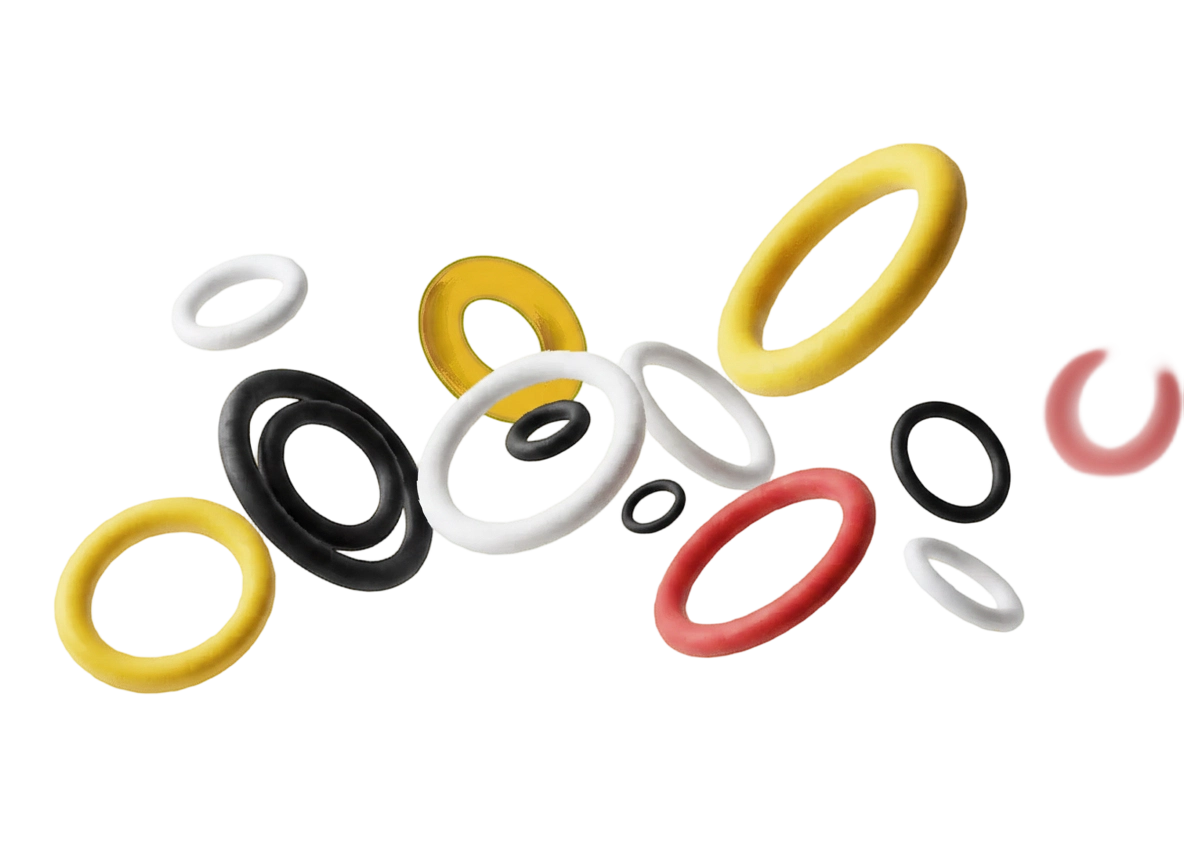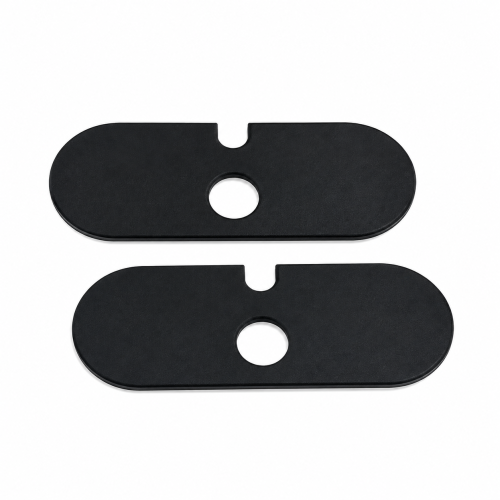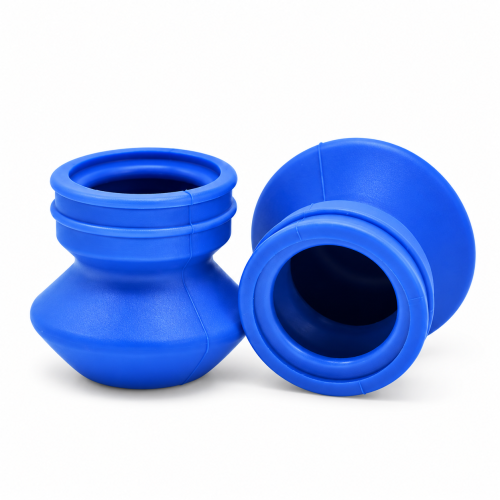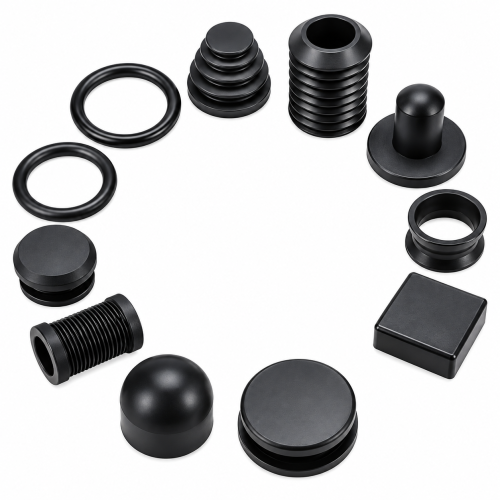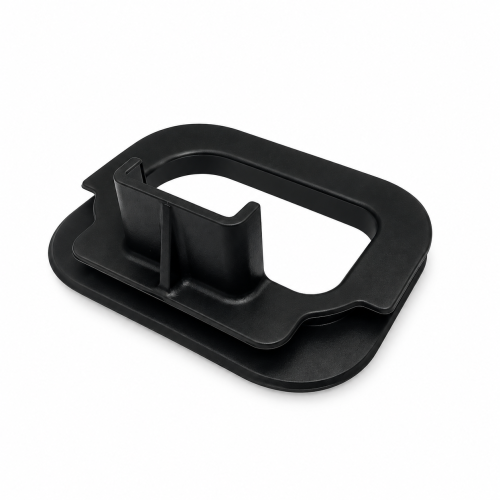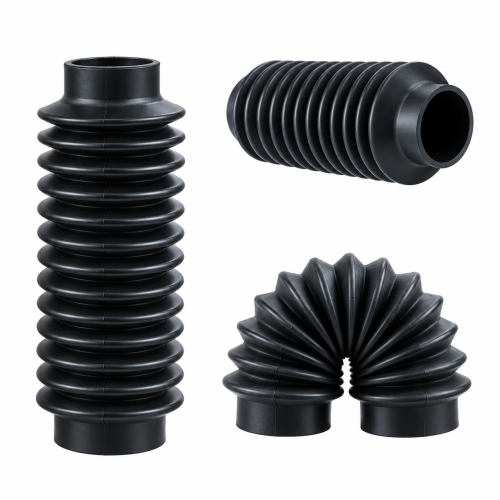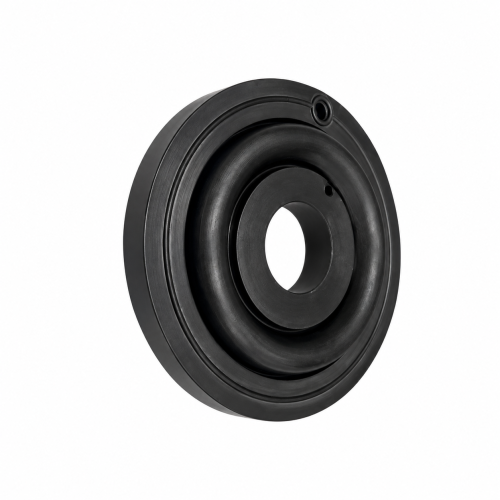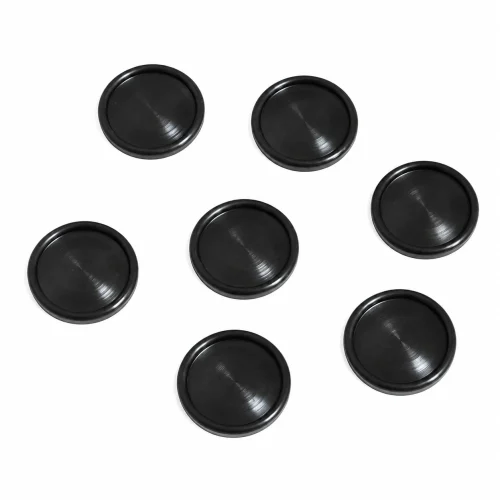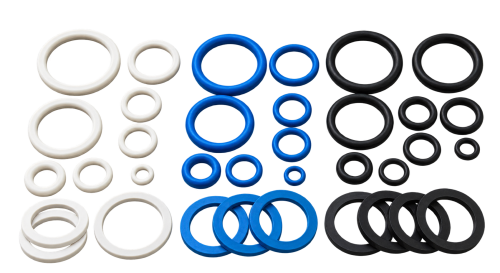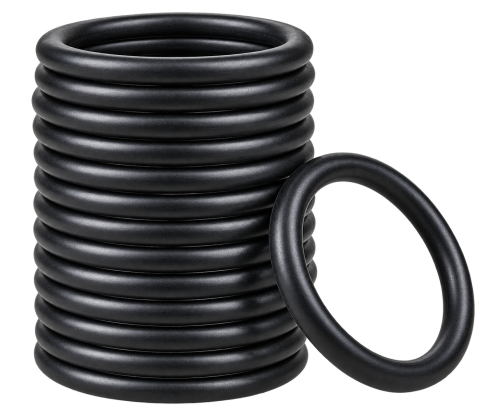
EPDM gasket prices span a wide range — a small stock ring costs a fraction of a large, certified sheet gasket. The spread comes down to size, thickness, certification, and whether the part is stock or custom-cut.
There is no single price for an EPDM gasket, because three very different things get called by that name. Stock full-face gaskets in common flange sizes are commodity items priced per piece by diameter and flange rating. Sheet stock for custom die-cutting is priced by the sheet, by thickness and grade, and the gasket cost is the material in the cut plus a share of the die. Molded EPDM gaskets add a mold charge that is amortized over the run. Across all three, a certified grade (NSF/FDA-compliant) costs noticeably more than an uncertified compound of the same size, so specify certification only where the part actually contacts potable water or food.
| Route | What you pay for | Where it makes sense |
|---|---|---|
| Stock flange gasket | Per piece, set by diameter and flange rating | Standard flanges, small quantities |
| Die-cut from sheet | Sheet material + a low-cost cutting die | Flat gaskets, custom outlines, mid volumes |
| Compression-molded | Mold tooling amortized over the run | Profiled cross-sections, high volumes |
Stock EPDM gaskets are the cheapest way to seal a standard flange, but they’re limited to whatever sizes a distributor keeps on the shelf. Custom-cut or molded gaskets built from a drawing cost more upfront in die or mold charges, but they match exact ID/OD and bolt-hole layout and can bake a required certification into the spec. For non-standard geometries or higher-volume programs, EPDM gaskets built to drawing usually win on total cost once tooling is amortized across the run.
EPDM formulations typically handle roughly -50°C to +150°C in continuous service. Its resistance to ozone, weathering, and heat generally gives it a longer working life outdoors and in water-sealing applications than materials that degrade faster under UV exposure. Actual lifespan still depends on temperature, media, and compression in the specific application.
No. EPDM roofing membrane is priced per square foot installed, including labor — a market entirely separate from cut-to-size sealing components. That benchmark doesn’t translate to gasket budgeting: gasket pricing is driven by flange size, thickness, and certification, not roof area.
For an exact number reflecting your size, durometer, and certification requirements, contact us with your drawing or spec. Material and durometer comparisons across gasket types appear in Types of Rubber Gaskets: Materials, Manufacturing & How to Choose.
What is EPDM in a gasket?
EPDM (Ethylene Propylene Diene Monomer) is a synthetic rubber valued for ozone, weather, and heat resistance. Grade options and durometer ranges are explained in the EPDM gaskets guide.
Does durometer affect EPDM gasket cost?
Softer durometers (40–50 Shore A) conform better to uneven or warped flanges but cost slightly more per pound to compound. Harder durometers (70–80 Shore A) hold shape under bolt load and are the more common, lower-cost stock option.
Is cord stock or sheet stock cheaper for a custom EPDM gasket?
Extruded cord cut and bonded into a ring often costs less for large-diameter or one-off custom sizes since no die is needed. Die-cut sheet stock becomes cheaper per piece as order volume rises and tooling cost spreads across more parts.
Does freight affect delivered EPDM gasket cost?
Yes — sheet stock and large-diameter gaskets ship heavier and bulkier than small stock rings, so freight adds a larger percentage to landed cost on big orders, particularly on international shipments where per-shipment freight is fixed regardless of piece count.
Ready to size a project-specific quote? Start a project discussion with your drawing, or review EPDM Rubber Gaskets for available grades and sizes.


Our engineering team reviews your specs and responds within 24 hours with material recommendations and competitive pricing.