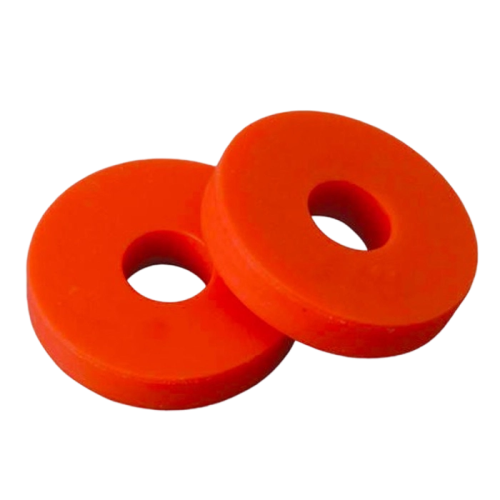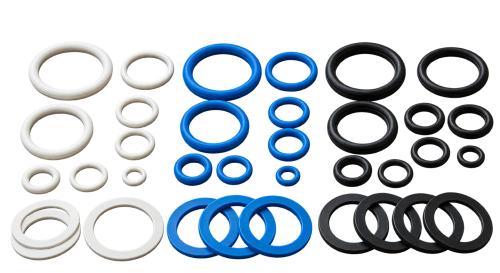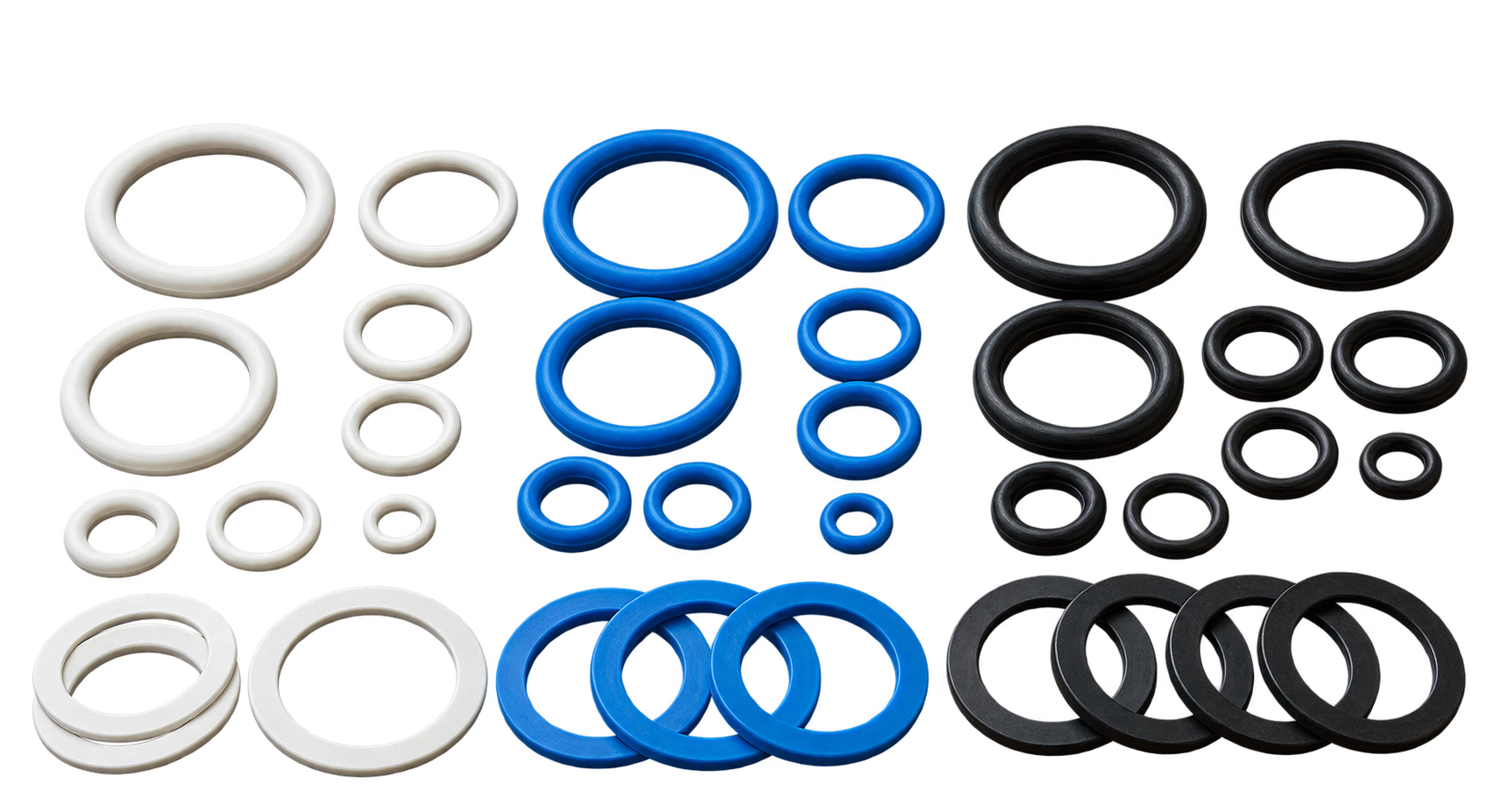
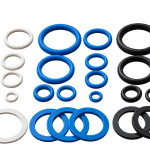
EPDM rubber seals are often selected for outdoor applications exposed to temperature cycling, ozone and UV. Common uses include enclosure door seals, HVAC and appliance lip seals, and weatherproofing strips.
Hongjie manufactures EPDM seals as extruded profiles, molded lip seals, sponge and dense rubber strips, and rubber-to-metal bonded assemblies. Parts are built to drawing for OEM production rather than supplied as retail cut-to-length stock.
Request a quote with your CAD file or physical sample for a tooling and price assessment.
EPDM's saturated polymer backbone provides strong resistance to ozone, UV exposure and weathering. It is widely used for outdoor door seals, window seals and HVAC or appliance enclosures.
EPDM also handles steam and mild alkalis across the temperature changes common in outdoor and equipment installations. Compound compatibility is checked against a library of more than 500 fluids, gases and chemicals before production.
EPDM is not recommended for petroleum oil or fuel contact. If the part will face both outdoor exposure and oil, see our guide to choosing between EPDM, FKM and NBR. The same weather-resistant material is also used in molded and bonded components, including EPDM rubber bushings for vibration isolation.
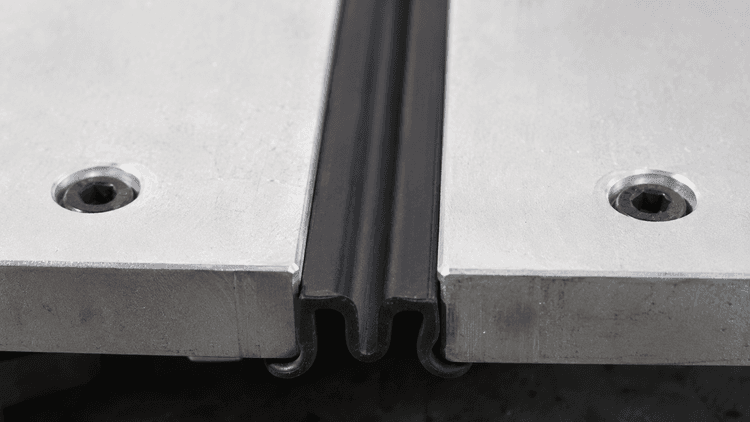


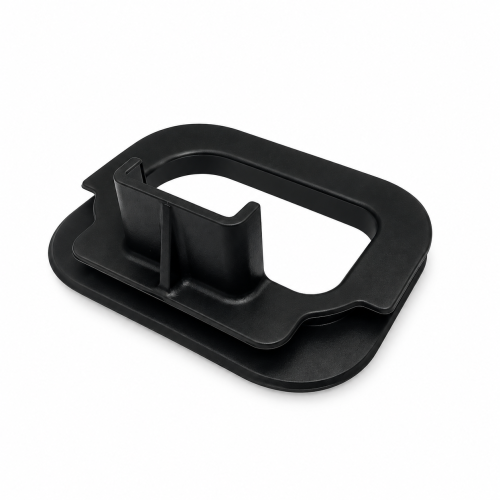
D-shape, U-channel, P-profile, and bulb sections for doors, access panels, and enclosure edges, run from custom tooling or Hongjie's existing extrusion tool inventory.

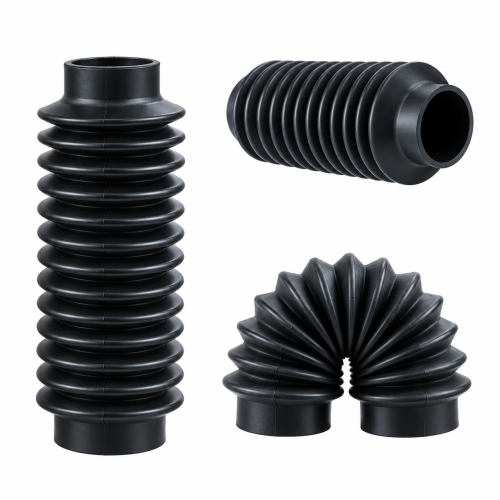
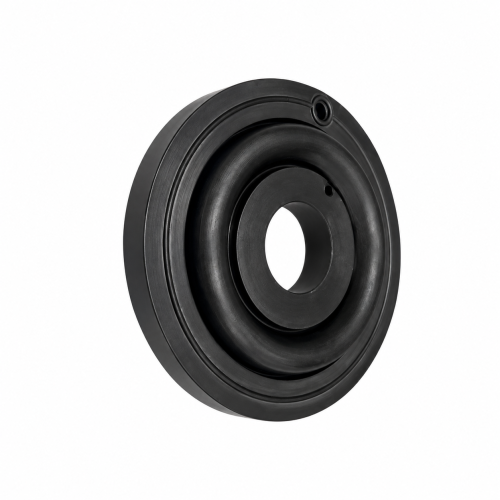
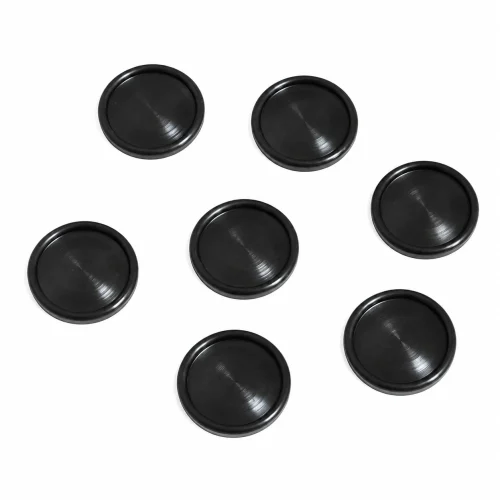
Compression- or injection-molded lip seals and profile shapes that aren't flat — for shaft, cover, and housing interfaces where a gasket geometry alone won't work.

Closed-cell and solid strip for weatherproofing and vibration damping, produced to the cross-section and hardness called out on your drawing.

EPDM bonded to a metal carrier for seals that also need structural rigidity or a press-fit/bolted interface.
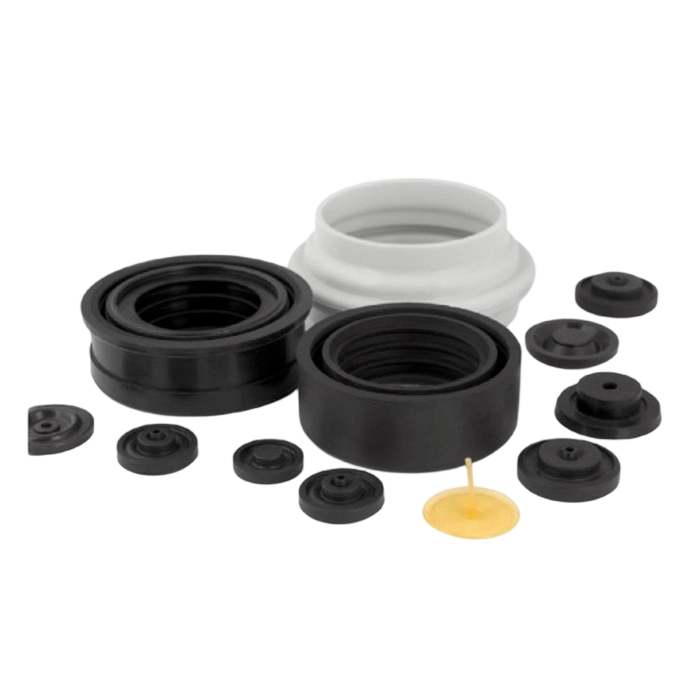
For flat static interfaces, see EPDM rubber gaskets. Cable and wire pass-throughs use EPDM rubber grommets. To review other shapes and applications, explore the full EPDM component range.

Hongjie produces EPDM seals using more than 3,500 existing profiles and tools, with new tooling developed from your drawing when required. Available processes include injection molding, compression molding, extrusion, die-cutting and rubber-to-metal bonding.
Critical molded and bonded features are controlled according to nominal size. Tolerances follow a defined range rather than one blanket figure for the entire part:
| Dimension Range | Standard Tolerance | Precision Tolerance |
|---|---|---|
| 0–10mm | ±0.10mm | ±0.02mm |
| 10–25mm | ±0.15mm | ±0.05mm |
| 25–50mm | ±0.20mm | ±0.08mm |
| 50–100mm | ±0.25mm | ±0.10mm |
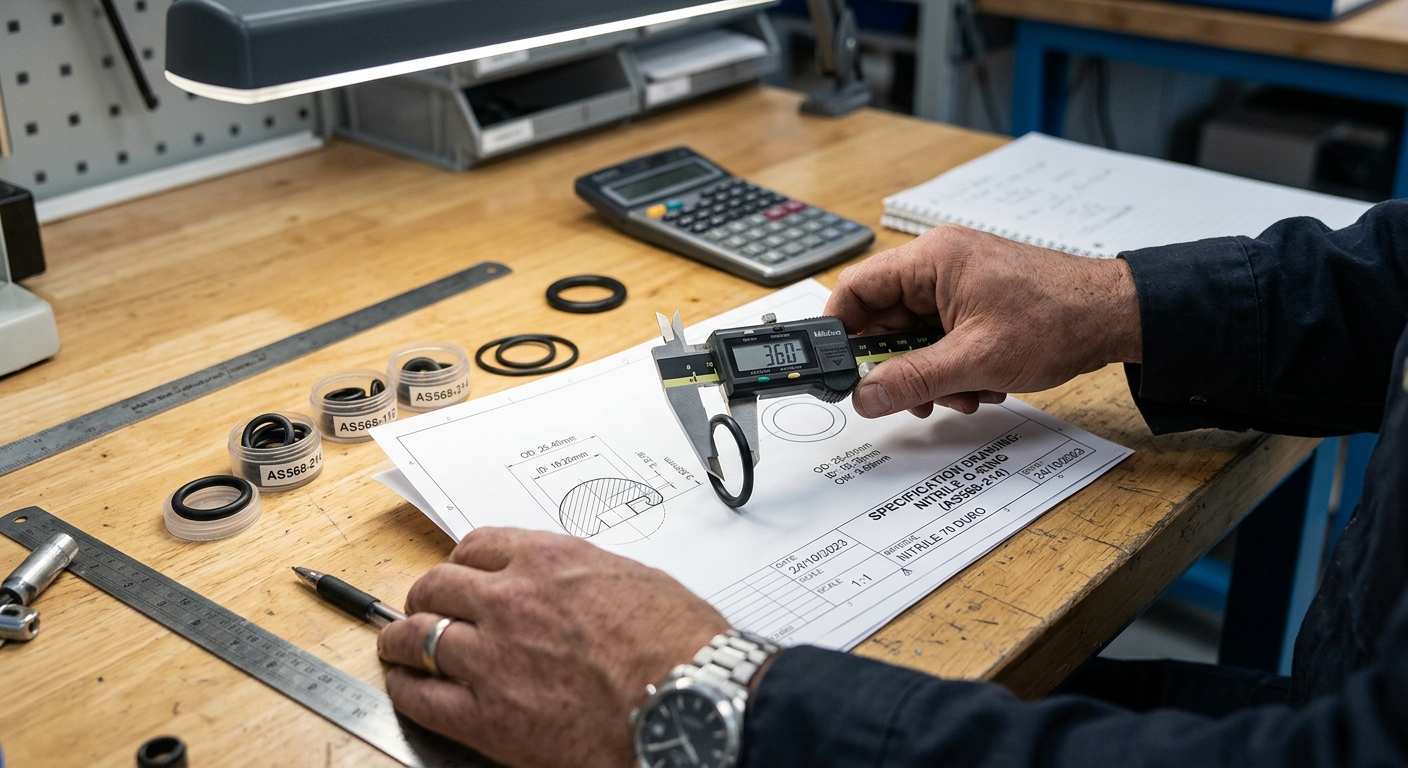
The ±0.02 mm tolerance applies to critical mating features from 0–10 mm nominal, including bore diameters, groove widths and bonded-metal interfaces. Precision molding and post-mold gauging support this level of control, while larger profile dimensions use proportionally wider tolerance bands.
Functional prototypes are typically available within 3–5 business days, allowing tooling decisions to be checked before production begins. Engineering support covers injection and compression molding selection, groove and gland fit, and material consulting from drawing review through first-piece approval.
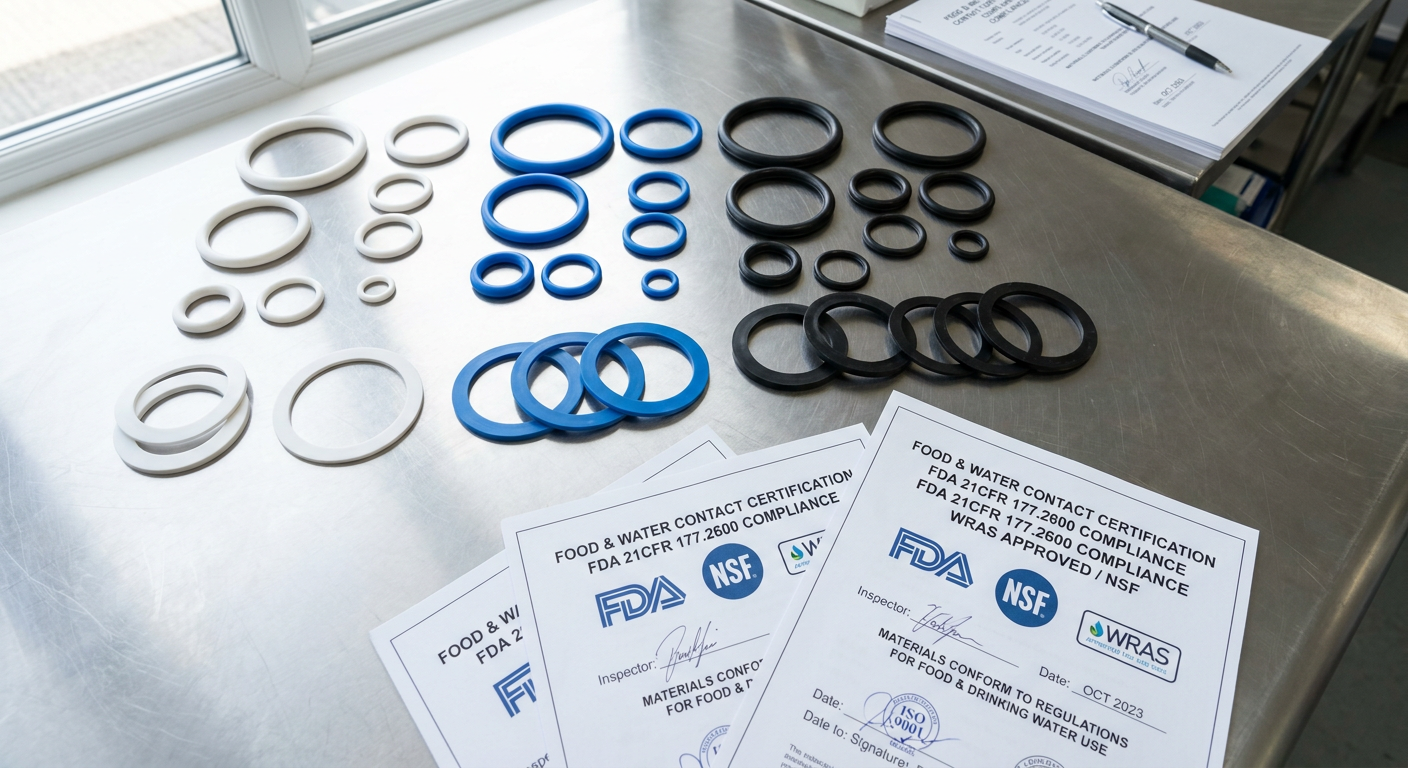
Production follows IATF 16949:2016 and ISO 13485:2016 quality systems, with SPC and Six Sigma methods used on the shop floor. UL-certified materials are available for electrical applications, while FDA- and NSF-compliant compounds can be specified when required. The exact grade is confirmed during quoting.
The 11,000 m² facility and team of roughly 150 employees deliver more than 50 million precision-inspected seals annually to global Tier-1 suppliers.
Door, panel and enclosure seals; see automotive rubber seals.
Door and housing weatherproofing for home appliance rubber parts.
Enclosure and equipment sealing, including rubber parts for electrical equipment.

Send a drawing or physical sample for engineering review, including CAD-based material and geometry consulting. A functional prototype typically follows in 3–5 business days, then moves to production tooling once dimensions and compound are confirmed. Start a project discussion to get your EPDM seal quoted.
Enclosure lids, doors and housings that must keep water out are covered under waterproof rubber seals.
For potable-water fittings, valves and faucets, see plumbing O-rings in FDA/NSF-compliant compounds.


Explore complementary sealing solutions from our comprehensive product catalog.