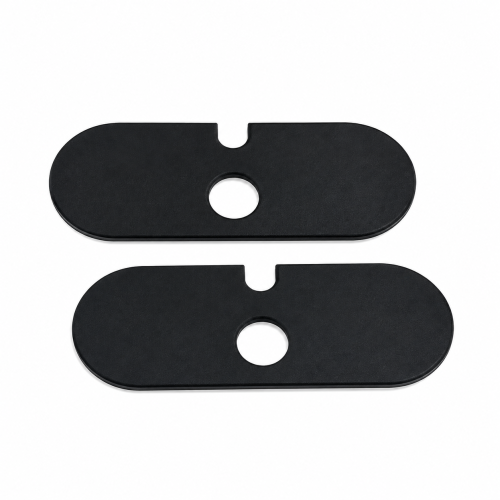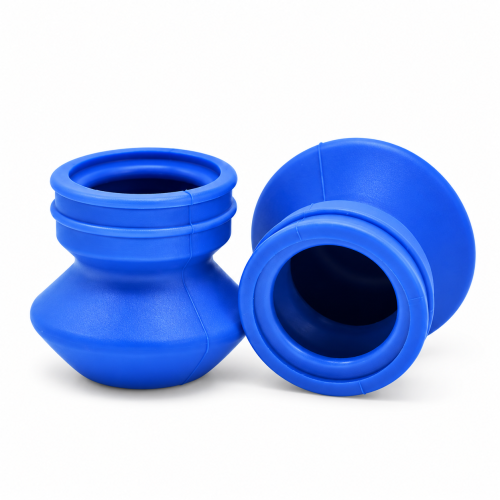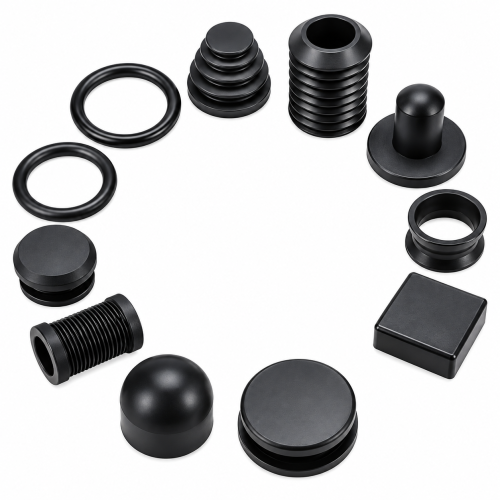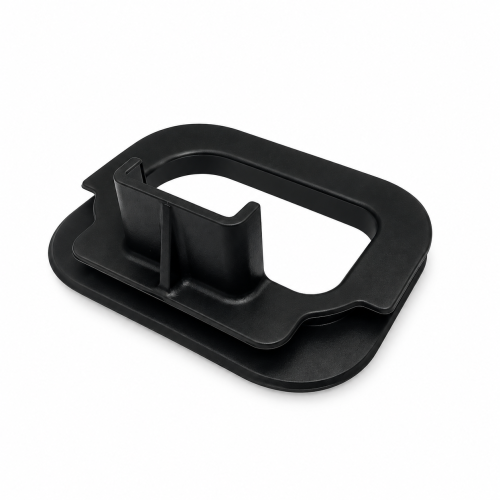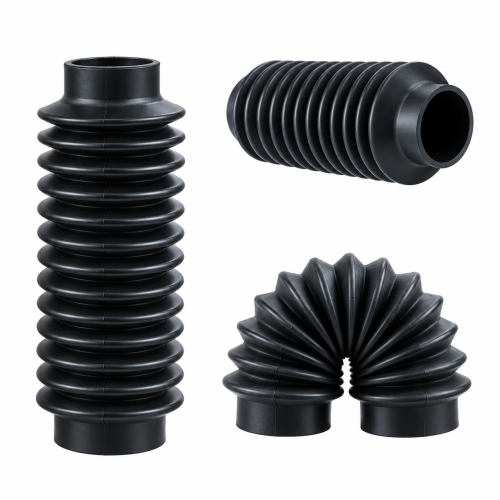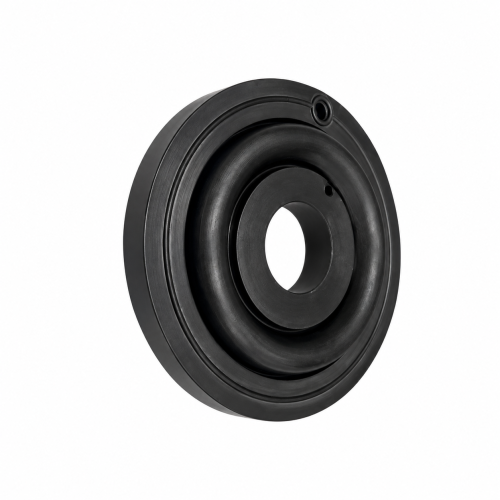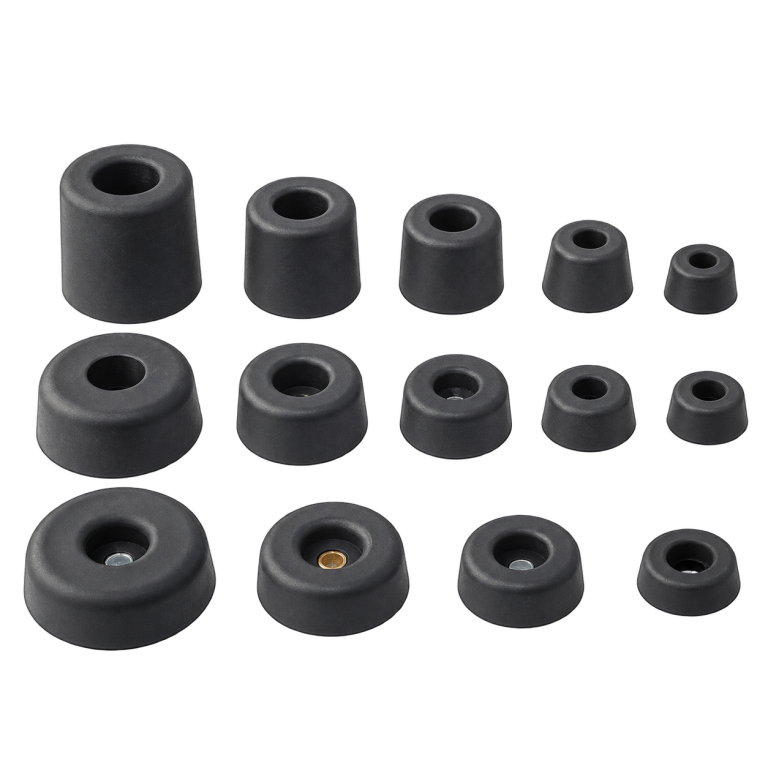
Hongjie produces EPDM rubber gaskets by die-cutting sheet stock, compression molding and waterjet cutting. Each gasket is sized to the customer drawing, allowing flange rings, panel gaskets and custom profiles to match the actual sealing surface.
Typical thicknesses range from about 0.5 mm to 12 mm, with hardness options from 40 to 70 Shore A. Other thicknesses and hardnesses are available on request for water sealing, weatherproofing and general industrial applications.

We select the production process according to the gasket geometry, material requirements and order volume.
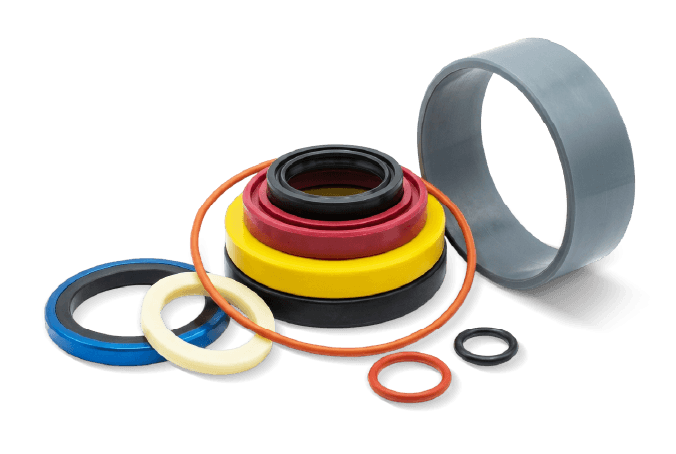

EPDM sheet can be die-cut or waterjet-cut into flat gaskets, flange rings and irregular profiles directly from your CAD outline.

Compression molding is used for gaskets with a defined cross-section, raised lips or bead profiles that flat-sheet cutting cannot produce.

Adhesive-backed EPDM gaskets can be kiss-cut and laminated with PSA materials to stay in position during assembly without additional fasteners.
Bonded metal carriers add rigidity or a locating feature to EPDM flange and enclosure gaskets. These parts are available through our custom rubber parts platform.

EPDM gaskets are supplied in commercial-grade and FDA/NSF-compliant material options, depending on whether the part touches potable water, food-contact surfaces, or general industrial media. Typical sheet and molded stock covers roughly 0.5–12mm thickness in 40–70 Shore A durometer, matched to the compression load and sealing gap of your flange or housing.
EPDM grades are typically rated for roughly −50°C to +150°C in continuous service; the exact rating for a given grade depends on cure system and is confirmed against your application when we review the drawing. Compression set is validated through in-house testing rather than published as a fixed percentage, since results shift with durometer, cure system, and duty cycle.
Tolerances for die-cut and molded EPDM gaskets follow our standard rubber tolerance table (tighter precision classes on request):
| Dimension Range | Typical Tolerance |
|---|---|
| 0–10mm | ±0.10mm |
| 10–25mm | ±0.15mm |
| 25–50mm | ±0.20mm |
| 50–100mm | ±0.25mm |
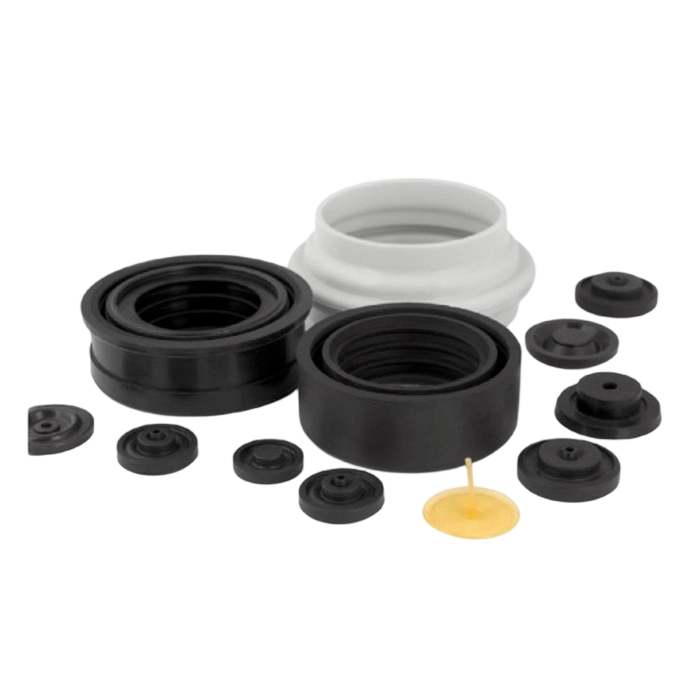
Prototype gaskets are turned around in 3–5 business days. Production quantities, tooling needs, and lead times are confirmed once we've reviewed your drawing — parts are cut or molded to order rather than pulled from a fixed minimum-run catalog. For the underlying EPDM compound chemistry — cure systems, aging resistance, and how commercial vs. FDA/NSF grades compare — read EPDM Gaskets Explained: The Complete Guide.
EPDM is well suited to static seals exposed to outdoor conditions, water, steam, UV and weathering. It is generally selected for these environments rather than for oil- or fuel-contact applications.

EPDM gaskets are used for water treatment lines, valve covers and plumbing gasket applications.

Weather-resistant gaskets help seal outdoor panels and electrical housings exposed to UV, rain and changing temperatures. See electrical enclosure gaskets.

EPDM gaskets support HVAC housings, door seals and appliance sealing applications exposed to moisture or temperature cycling.

Custom EPDM gaskets seal industrial flanges and access panels exposed to moisture, UV and repeated weathering cycles.

Material selection depends on the fluid, temperature and environmental exposure of the sealing application.
Confirming the material against these conditions before tooling helps avoid a costly material change during the project.
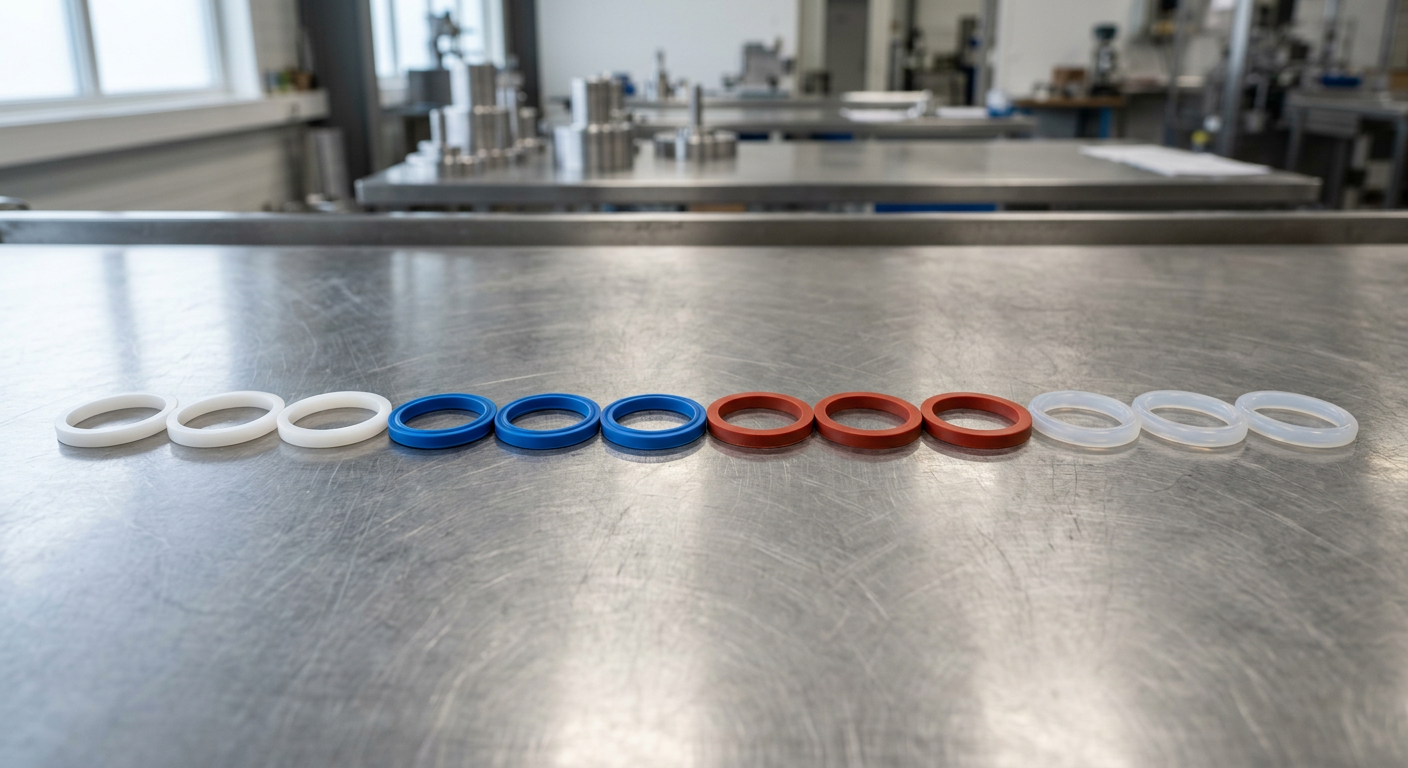
Hongjie operates under IATF 16949:2016 and ISO13485:2016 certification, with UL-certified processes for electrical applications and access to FDA and NSF compliant EPDM material grades. Production is controlled with statistical process control and Six Sigma methods targeting Cpk > 1.33 consistency, so gasket dimensions stay repeatable across production runs, not just on first-off samples.

Upload your drawing for an OEM quote and we'll confirm cutting or molding process, grade, and tolerance before production. Pricing depends on cutting method, durometer, and tooling requirements — the EPDM gasket cost guide breaks down which factors move cost up or down. Hongjie ships EPDM gaskets to buyers in 45+ countries from a Shenzhen-based facility running IATF 16949 and ISO13485 quality systems.
Request a Quote or start a project discussion with our engineering team.


Explore complementary sealing solutions from our comprehensive product catalog.