What Is a Rubber Washer?
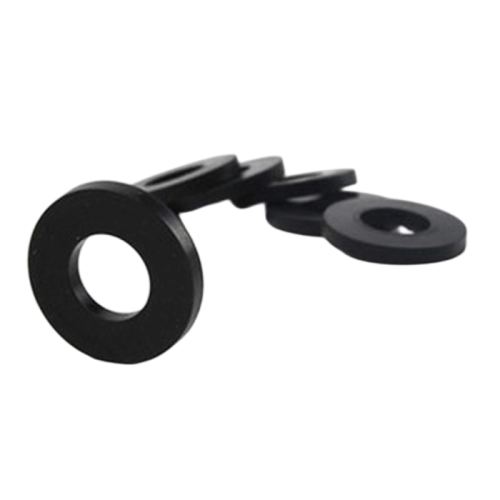
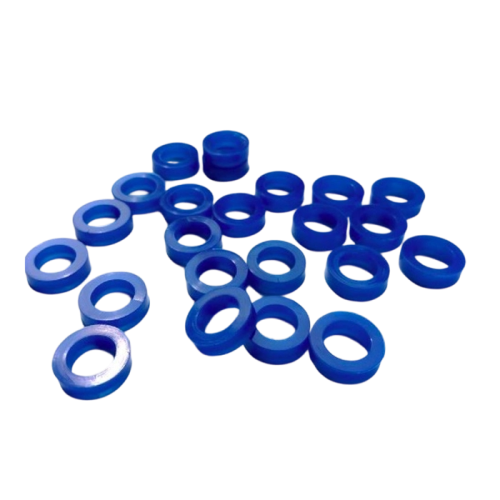
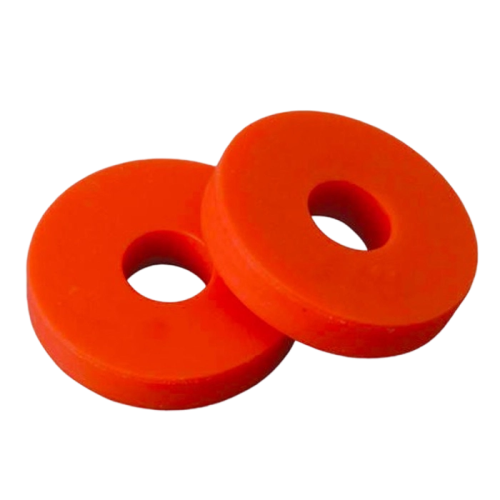
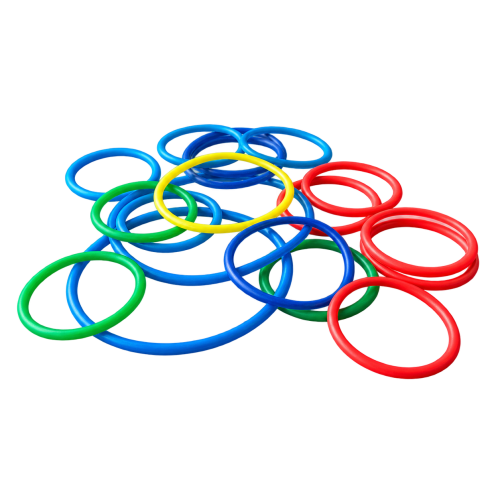
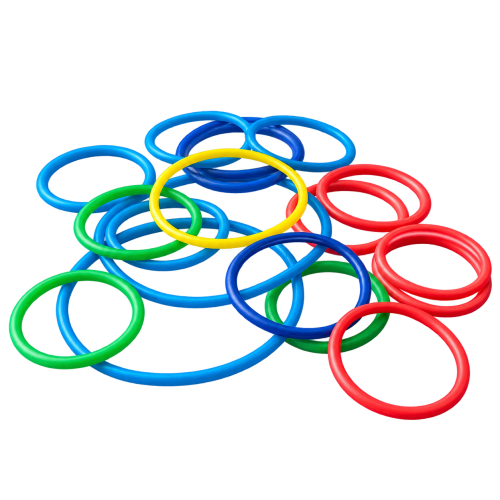
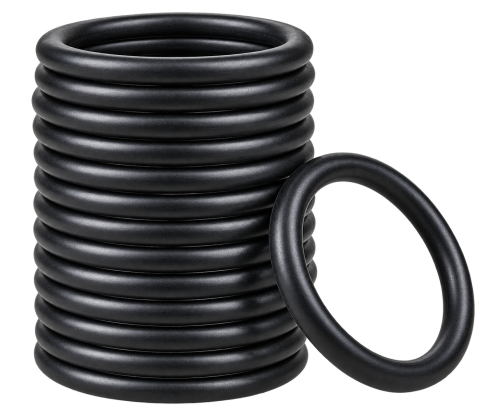
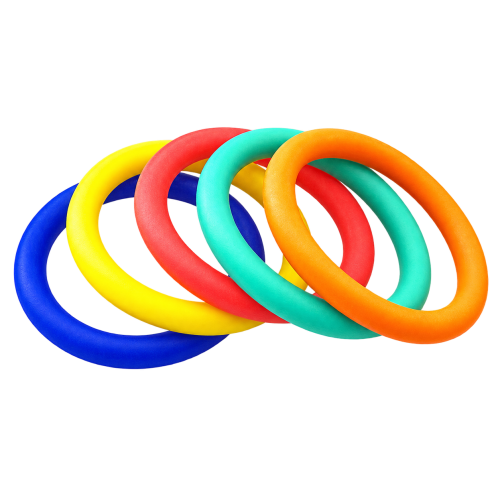
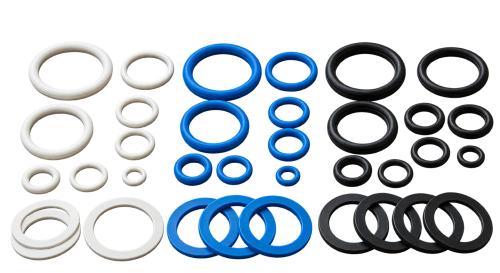
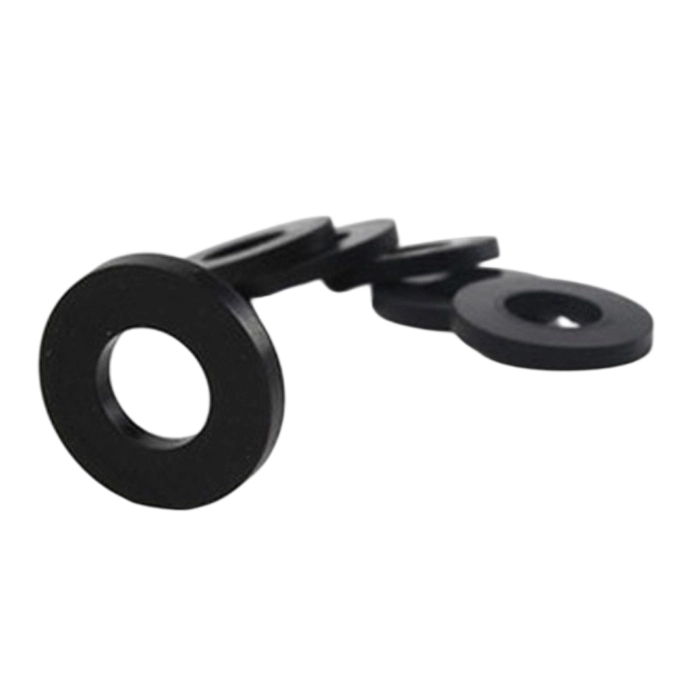
A rubber washer is a flat, ring-shaped elastomeric part placed under a bolt head, nut, screw, or fitting to seal, cushion, or insulate — not to distribute load the way a metal washer does. A metal washer is rigid and exists mainly to spread clamping force over a wider surface so a fastener doesn't pull through soft material. A rubber washer's compressibility is the whole point: it compresses slightly under load, filling small surface irregularities that a rigid washer would simply bridge over.
That difference matters in practice. Rubber washers aren't a drop-in substitute for metal washers in high-load bolted joints, and metal washers can't replace rubber ones where a watertight or vibration-isolating seal is required. Picking the wrong one means a leaking fitting, a rattling bracket, or a part that degrades in months instead of years.
What Are the Different Types of Rubber Washers?
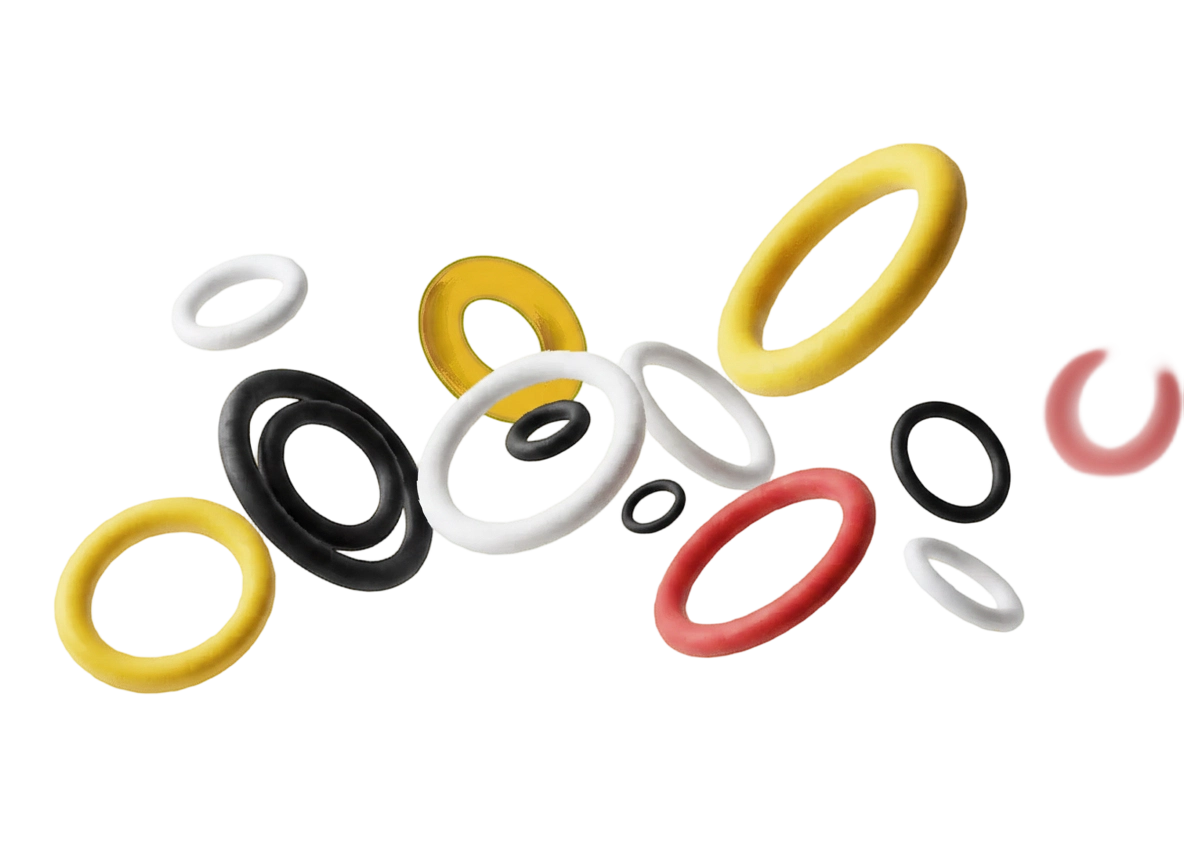
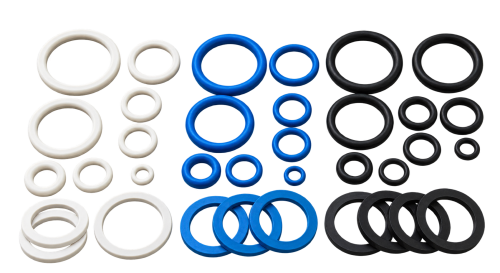
The material determines what a rubber washer can actually survive in service, and each one comes with its own service temperature range, hardness (durometer) window, and trade-offs.
Neoprene (CR) washers hold up well against weather, ozone, and outdoor UV exposure, typically running -40°C to +120°C at 40-70 Shore A durometer. They're common in HVAC ductwork, roofing fasteners, and outdoor plumbing. The trade-off is moderate compression set over time, meaning a neoprene washer gradually loses some of its sealing force under sustained clamping load.
EPDM washers cover a wider heat range, roughly -50°C to +150°C at 40-70 Shore A, which is why they're the go-to for outdoor electrical enclosures exposed to steam and sunlight over years rather than months. EPDM swells badly in petroleum oils and fuels, which rules it out anywhere those fluids are present.
Silicone washers span the widest temperature extremes, from about -60°C to +200°C at 30-70 Shore A, and hold up in food-contact and medical contexts where neoprene and EPDM aren't compliant. Hongjie molds these as
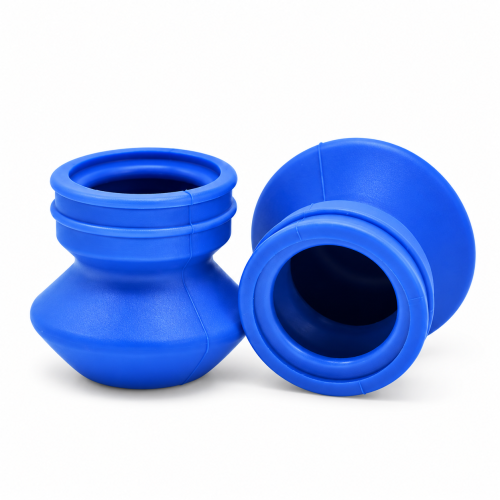
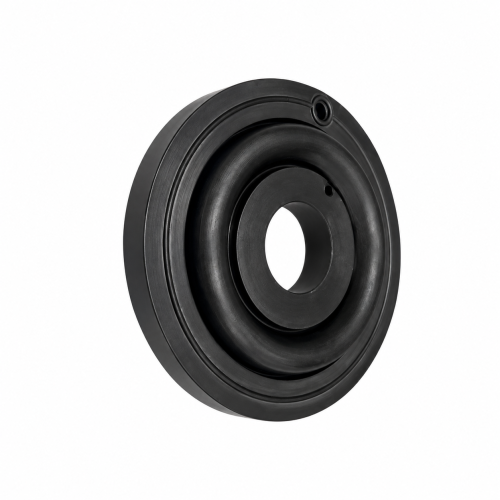
custom silicone rubber washers with 3D profiles when a flat disc isn't enough. The downside is low tear and abrasion strength — a silicone washer can nick or tear under repeated fastener removal and reinstallation.
NBR (Nitrile) washers resist oil and fuel exposure across roughly -30°C to +100°C at 40-90 Shore A, making them standard in automotive and plumbing hardware that sees petroleum-based fluids. Hongjie's
NBR rubber parts line covers this compound range. NBR's weak point is poor UV and ozone resistance, so it cracks and degrades with prolonged outdoor sun exposure.
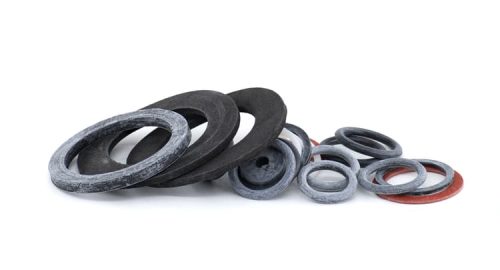
Beyond material, you'll also see shape variants at the retail level — flat washers, faucet or tap washers, and dielectric union washers for plumbing that insulates dissimilar metals. These are the same materials above, just die-cut or molded into a specific profile for that fitting. Thickness tolerance runs tighter on molded parts than die-cut sheet stock — die-cutting typically holds around ±0.13mm, while molding can tighten that further depending on part geometry.
| Material |
Service Temp Range |
Typical Durometer |
Main Trade-off |
| Neoprene (CR) |
-40°C to +120°C |
40-70 Shore A |
Moderate compression set over time |
| EPDM |
-50°C to +150°C |
40-70 Shore A |
Swells in petroleum oils and fuels |
| Silicone (VMQ) |
-60°C to +200°C |
30-70 Shore A |
Low tear and abrasion strength |
| NBR (Nitrile) |
-30°C to +100°C |
40-90 Shore A |
Poor UV and ozone resistance |

Need an exact size or a compound outside these four? Hongjie manufactures
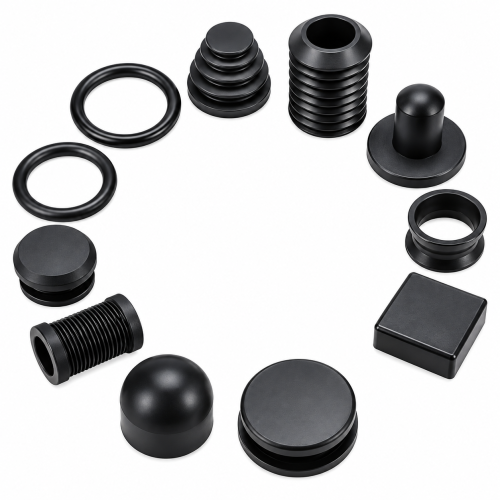
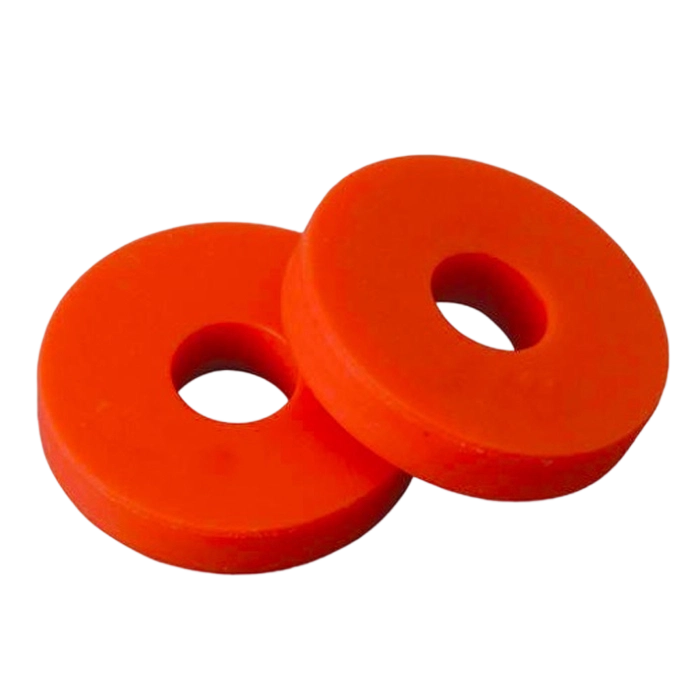
custom rubber washers by size and material from drawings, and can quote a non-standard OD, ID, or thickness that a retail shelf won't stock.
What Are Rubber Washers Used For?
Rubber washers group into a handful of real-world jobs:
- Plumbing — faucet stems, showerhead connections, and hose fittings that need a watertight seal at low torque.
- Sealing under bolt heads — bolted housings and enclosure covers where moisture or dust intrusion is a concern.
- Vibration dampening — under motors, brackets, and appliance feet to reduce rattle and transmitted noise.
- Electrical insulation — dielectric unions that keep two dissimilar metals from corroding against each other.
- General fastening cushioning — bolted joints that need a little compressive give instead of a hard metal-on-metal stop.
How to Choose Size and Thickness
Start with the bolt or fitting outer diameter (OD) — the washer's inner diameter (ID) needs to clear it with a small margin, not bind against the threads. Match the washer's outer edge to the hole or counterbore it seats in, leaving enough flat surface to actually seal against.
Thickness is where most sizing mistakes happen. Rubber washers are designed to compress roughly 15-30% of their original thickness once the fastener is torqued down — too little compression and the seal doesn't engage; too much and the material extrudes out from under the joint or takes a permanent set. If a joint has to tolerate vibration or thermal cycling, sizing toward the higher end of that compression range gives more margin before the seal loses contact.
Rubber Washer vs. Other Washer Types — What to Use Instead
Rubber isn't always the right call. Nylon washers are rigid and electrically insulating but don't compress, so they won't seal against liquid or gas — use nylon where you need isolation, not a watertight joint. Fiber or felt washers offer light cushioning and some sound dampening but no waterproofing, making them a cheaper option for dry, low-vibration fastening. Metal or copper washers handle high heat and heavy compressive loads that would crush rubber, which is why plumbing systems near heat sources often specify copper instead. If the joint needs load distribution rather than sealing, a rubber washer is the wrong tool regardless of compound.

Rubber grommets protect cable or wire as it passes through a panel hole — a related but distinct sealing job from a bolted-joint washer.
Types of Rubber Grommets: Materials, Sizes & How to Choose covers grommet types and materials.
Where to Buy Rubber Washers
For standard sizes in small quantities, hardware stores, home-improvement chains, and online marketplaces stock rubber washers off the shelf — most home-improvement retailers carry rubber faucet and flat washers in common inch sizes for exactly this reason. That works well for a repair job or a one-off replacement part.
It breaks down once you need a non-standard OD/ID/thickness, a material the shelf doesn't stock, or bulk OEM quantities with consistent quality across every batch. At that point, buyers move from a retail shelf to a manufacturer offering custom sizing and material options, submitting a drawing rather than picking from a bin. If that's where you are,
start a conversation with Hongjie's team with your dimensions and material requirement.
FAQ
What are rubber washers used for?
Rubber washers seal, cushion, dampen vibration, and provide electrical insulation under bolts, screws, and plumbing fittings. Common applications include faucet and showerhead connections, bolted housing covers, motor mounts, and dielectric unions that separate dissimilar metals.
What to use instead of a rubber washer?
Nylon washers work for rigid, non-sealing applications; fiber or felt washers give light cushioning without waterproofing; metal or copper washers handle high heat and heavy compressive loads where rubber would compress permanently or degrade.
Where can you buy rubber washers?
Hardware stores and online marketplaces stock standard sizes for repairs and small jobs. For custom dimensions, non-standard materials, or bulk OEM quantities, buyers typically go directly to a rubber parts manufacturer instead.
Can I buy rubber washers at Home Depot?
Yes — most home-improvement retailers, including Home Depot, stock standard rubber faucet washers and flat washers in common sizes. These cover typical plumbing repairs but won't include custom dimensions or specialty compounds.
Ready to move past off-the-shelf sizes?
Request a quote with your drawing, target material, and volume, and Hongjie's team will confirm feasibility and pricing.


 Need an exact size or a compound outside these four? Hongjie manufactures custom rubber washers by size and material from drawings, and can quote a non-standard OD, ID, or thickness that a retail shelf won't stock.
 Rubber grommets protect cable or wire as it passes through a panel hole — a related but distinct sealing job from a bolted-joint washer. Types of Rubber Grommets: Materials, Sizes & How to Choose covers grommet types and materials.