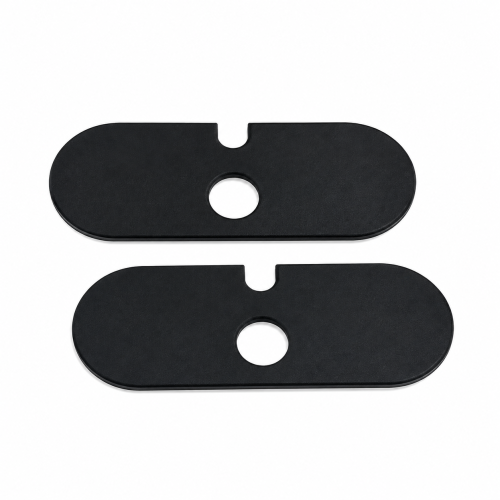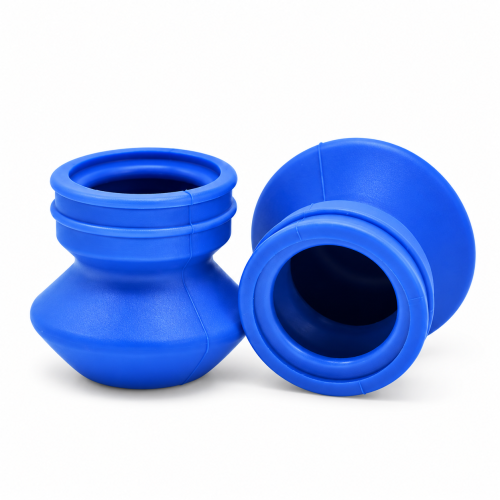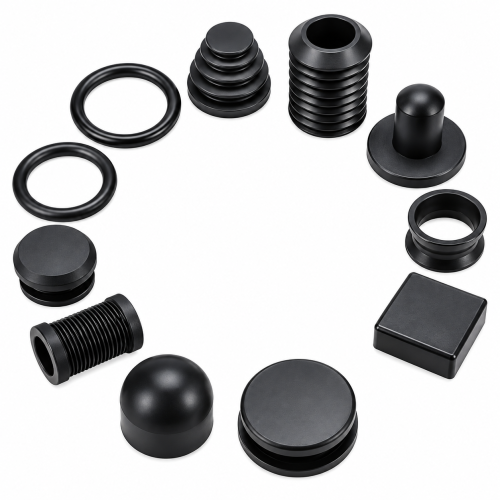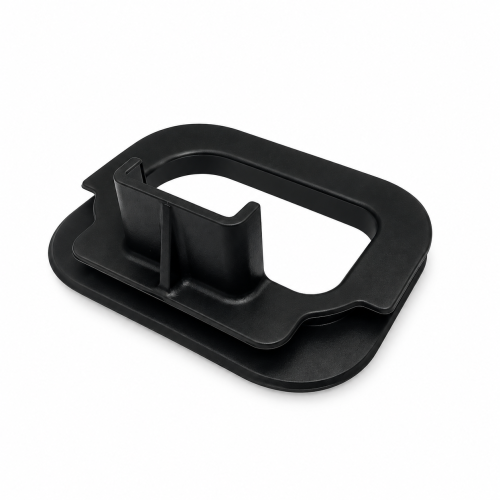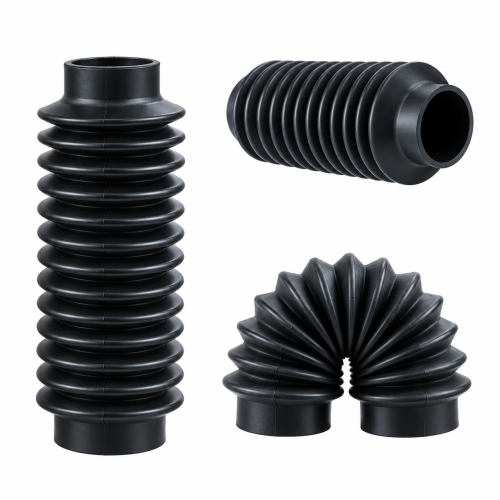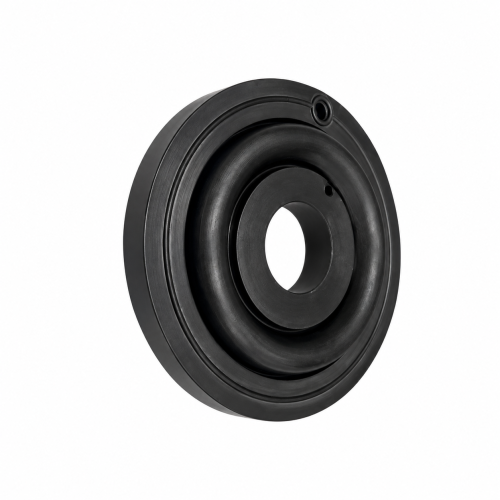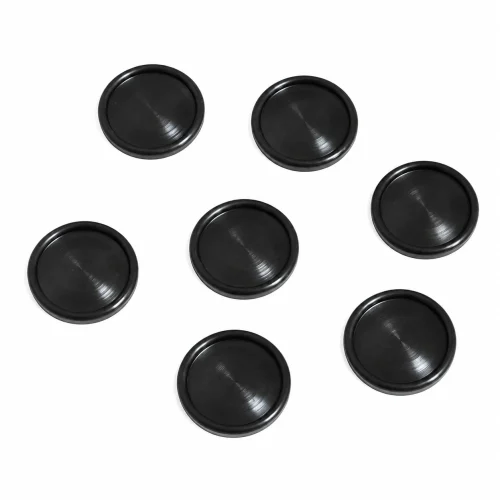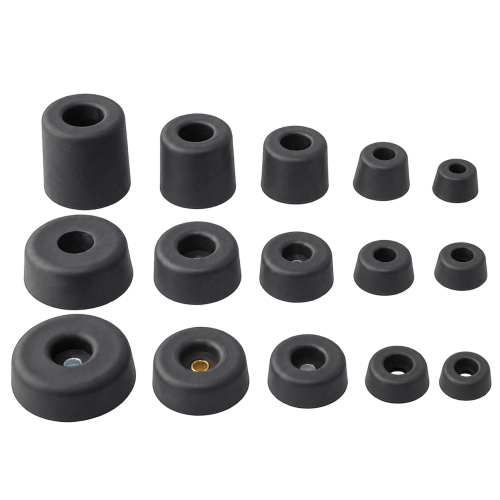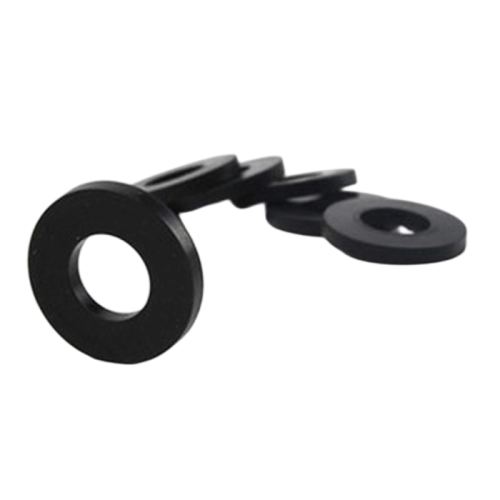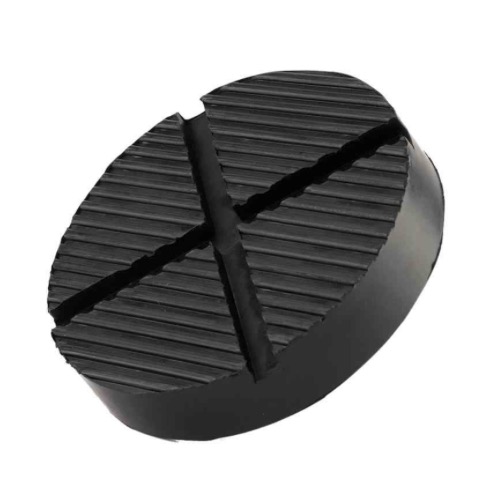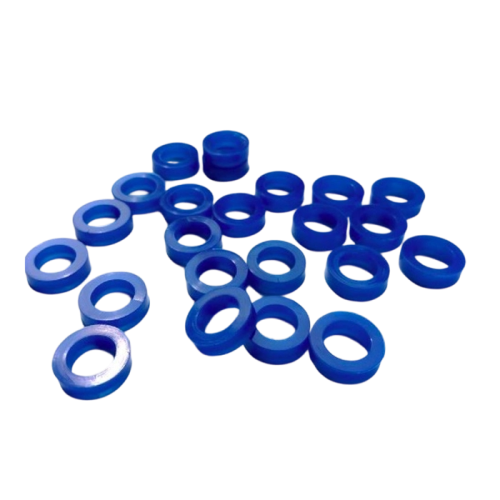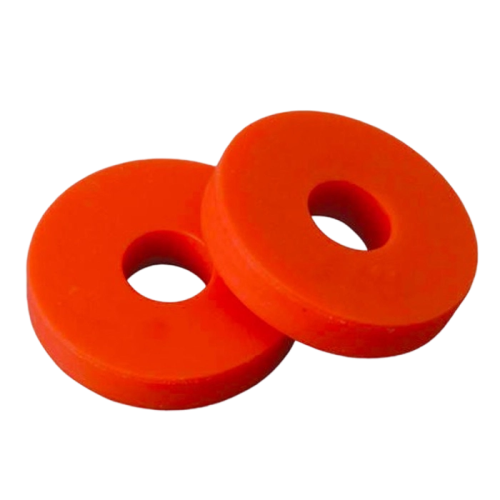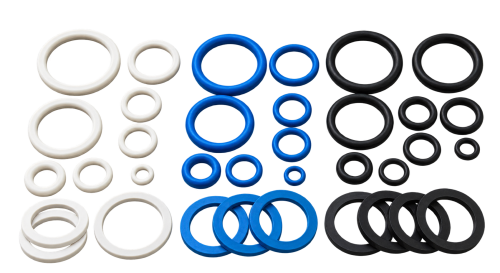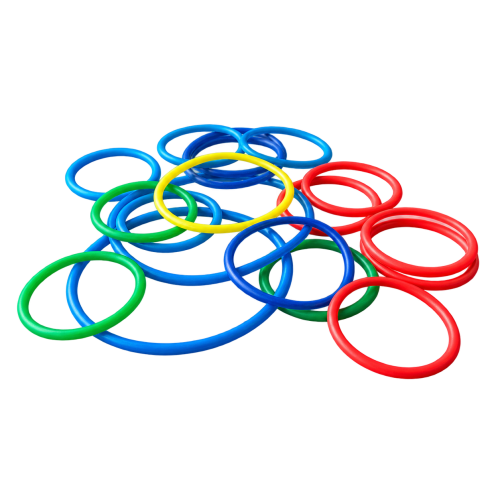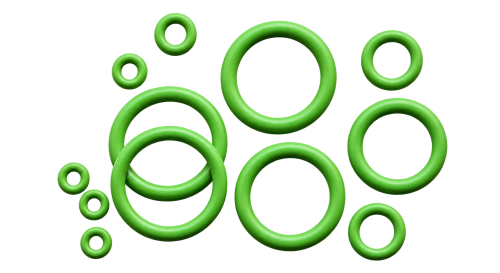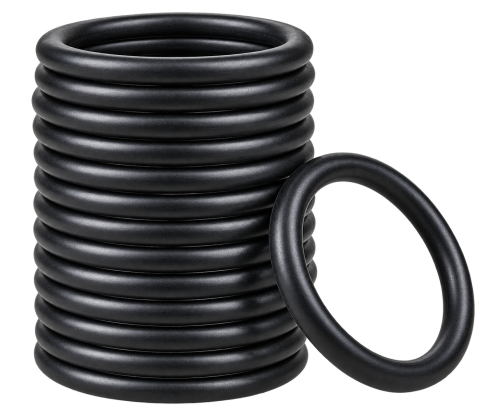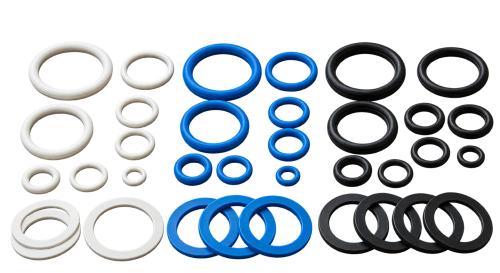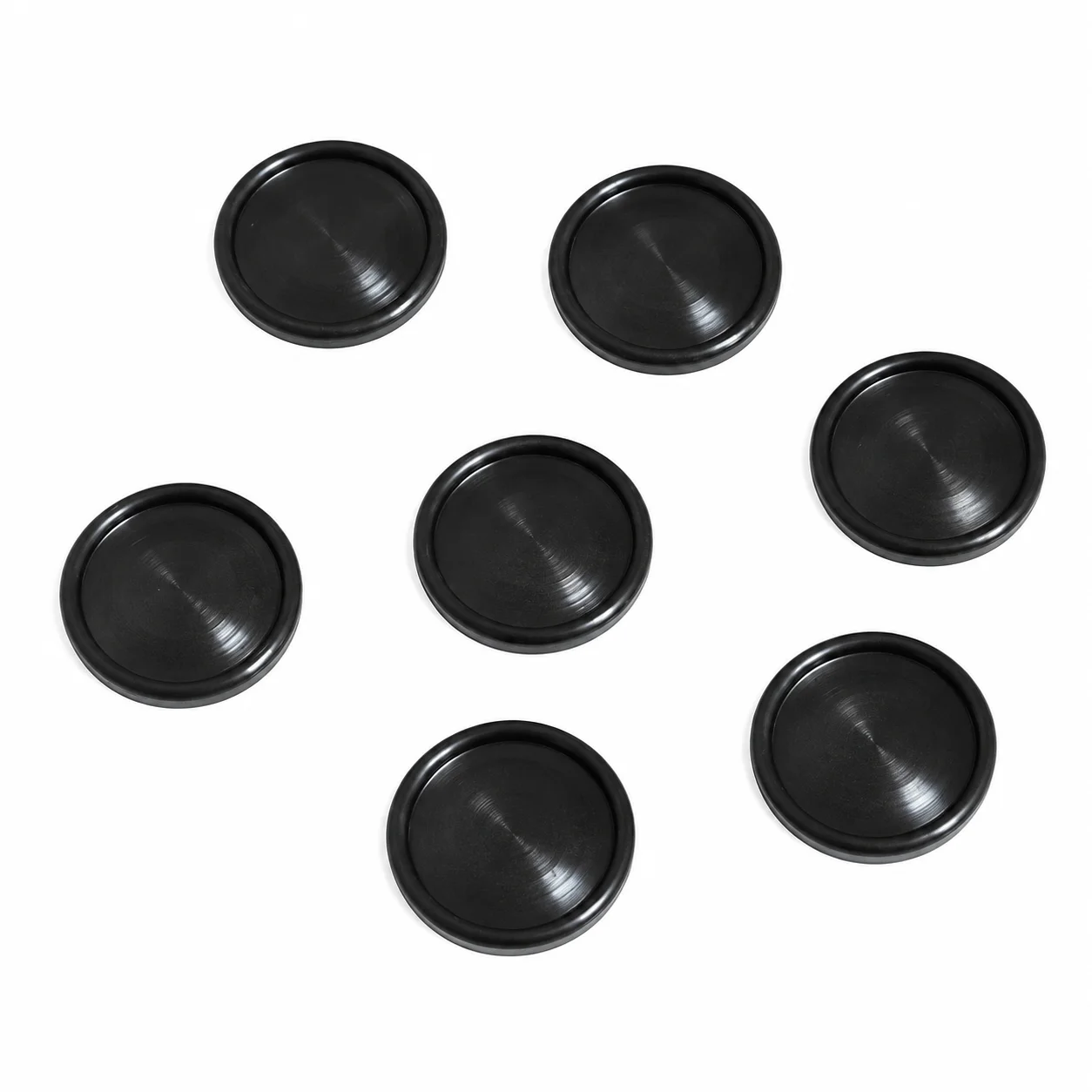
The Automotive and OEM industry is a fast-growing industry. Wide range of rubber parts are used in variety of purposes in the automobile industry. The presence of rubber is seen in fluid transfer systems, body sealing systems, transmission systems, automotive anti vibration, sealants, adhesives & coatings, O-Rings, molded parts, flat seals, foam and converting products, body parts, spare parts etc

Custom automotive rubber components can be developed from drawings, 3D data or physical samples. Part geometry, compound, hardness, tolerances and inspection requirements are reviewed together with the mating interface and service conditions.

Profiles, lips, grooves, ribs and other molded features can be developed to match the available space and required sealing, cushioning or protective function.

Cross-section, hardness and installed dimensions are reviewed together to achieve reliable contact without excessive deformation or assembly force.

Mating-part dimensions, grooves, gaps, fasteners and surrounding features are reviewed to support proper positioning and reduce leakage or movement.

Surface finish, parting-line position, flash limits and appearance criteria can be specified for visible or function-critical automotive assemblies.

NBR, EPDM, FKM, VMQ, HNBR and other compounds can be selected according to temperature, fluids, weathering and mechanical requirements.

Critical dimensions, material properties and agreed visual criteria can be defined before samples move into approved repeat production.

Specifications are developed around component function, mating interfaces and service conditions, with compound selection, tolerances and inspection requirements reviewed as one system.
| ES0001 Automotive Rubber Component Specifications | |
|---|---|
| Product Type | Custom Molded Automotive Rubber Component |
| Development Basis | 2D drawing, 3D data or physical sample |
| Critical Dimensions | Defined by drawing and functional interfaces |
| Primary Function | Sealing, cushioning, isolation or protection |
| Fit Requirement | Confirmed against mating parts and installed condition |
| Hardness | Selected according to compound and service requirements |
| Material Options | NBR, EPDM, FKM, VMQ, HNBR or project-specific compound |
| Operating Conditions | Temperature, fluids, pressure, vibration and weather exposure as applicable |
| Color | Standard black or project-specific |
| Surface Requirements | Flash, parting line and appearance limits defined by drawing |
| Quality & Documentation | IATF 16949:2016; PPAP and material records when required |
| Inspection | Dimensional, visual and functional checks under agreed inspection plan |

Before repeat production, the seal can be reviewed against the mating interface, installed condition and agreed inspection requirements.
Geometry & Compound Review
Fit, Function & Inspection
Custom molded rubber components are used across vehicle systems where sealing, cushioning, vibration control, electrical protection or environmental resistance is required.
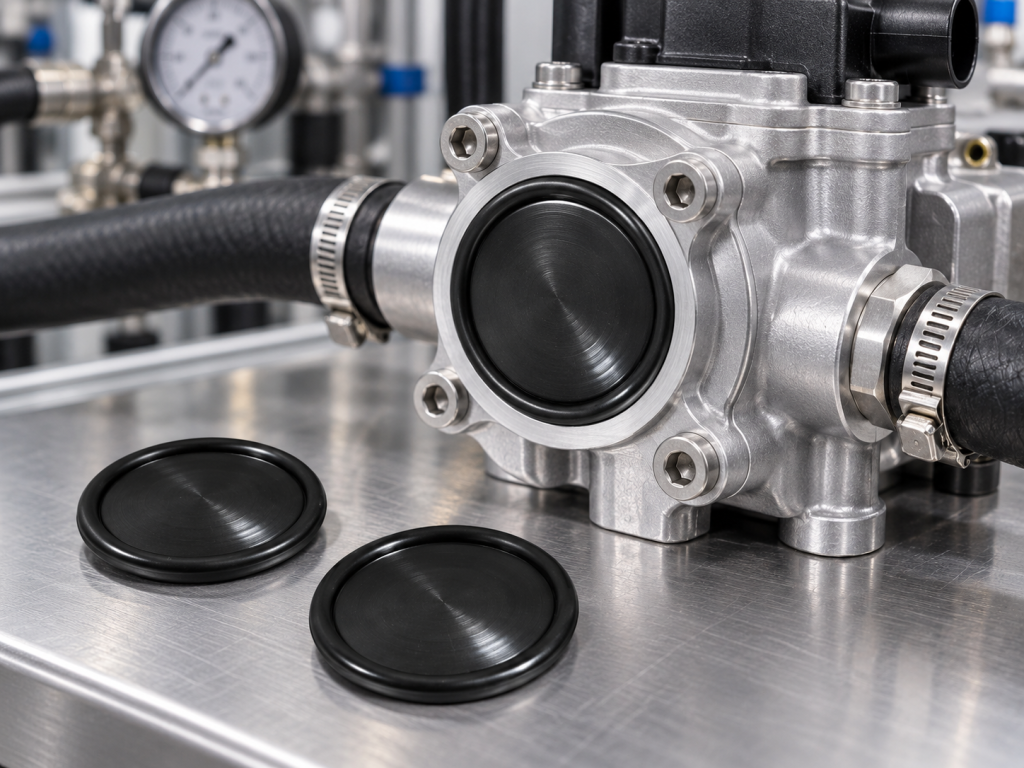
Seals and molded components for pumps, valves, connectors and fluid interfaces exposed to oils, fuels, coolants or other media.
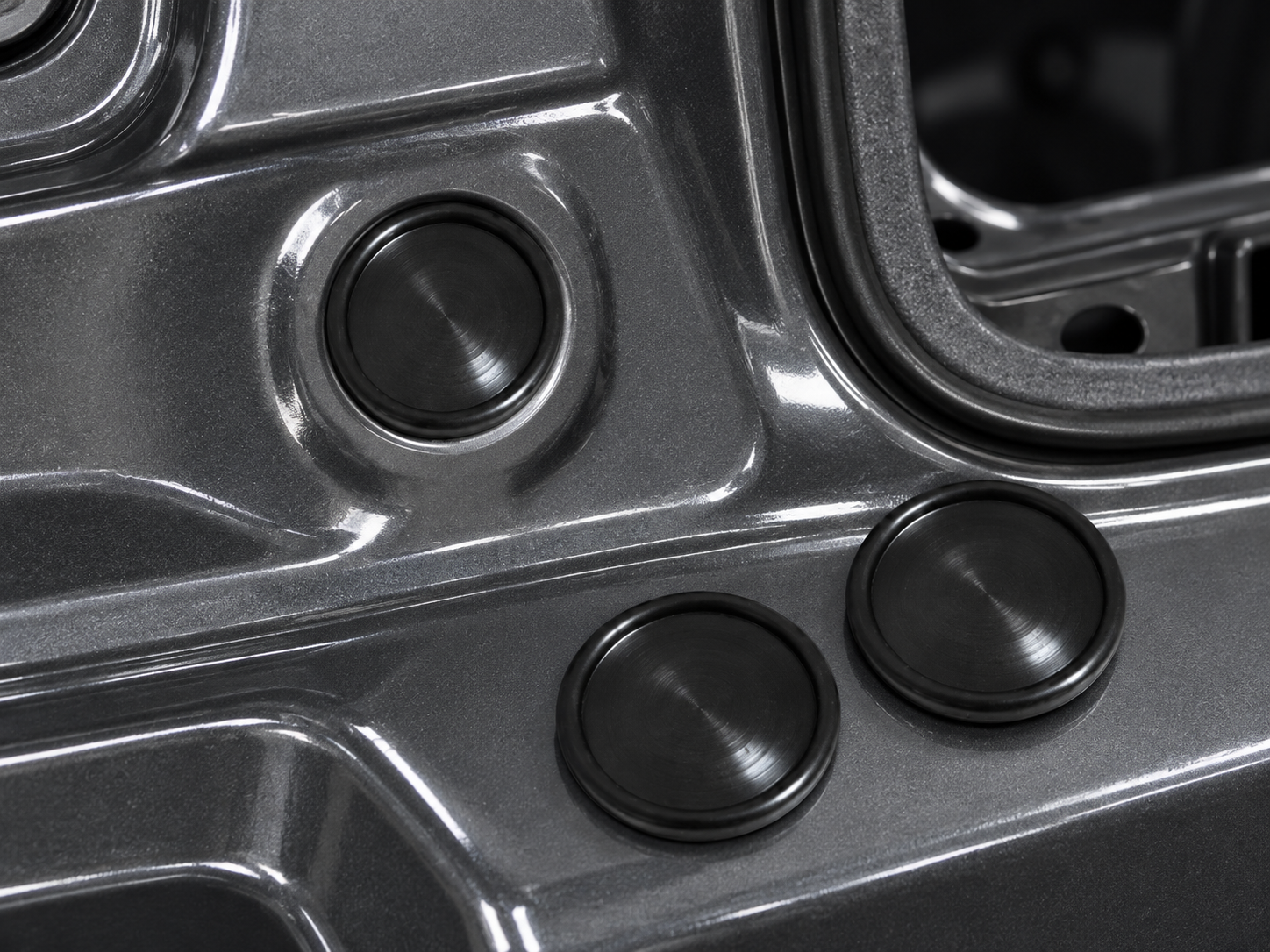
Rubber parts for doors, covers, panels and closures that require sealing, cushioning or controlled contact between mating surfaces.
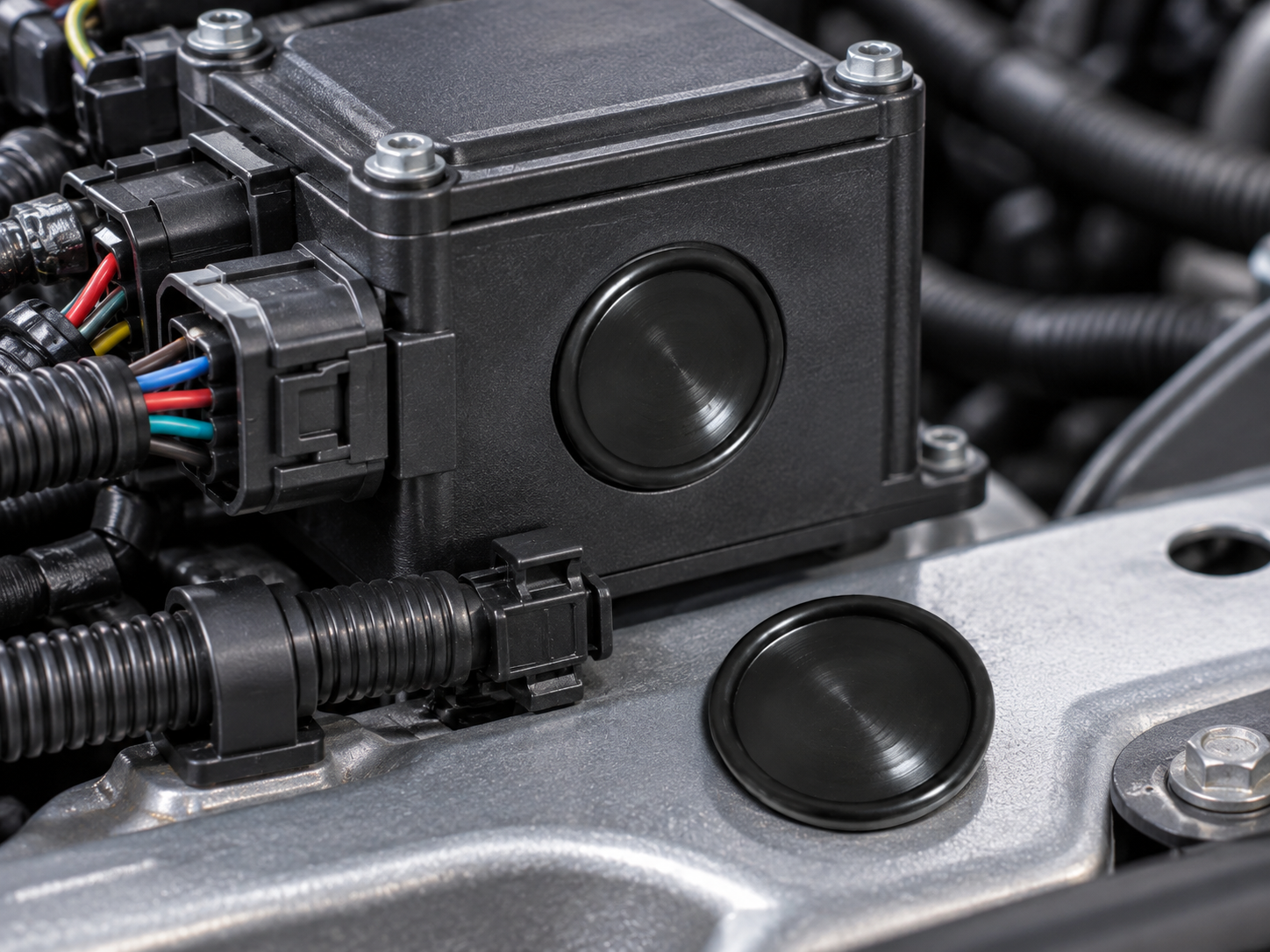
Grommets, boots and protective molded parts that support cable routing, connector sealing and abrasion protection.
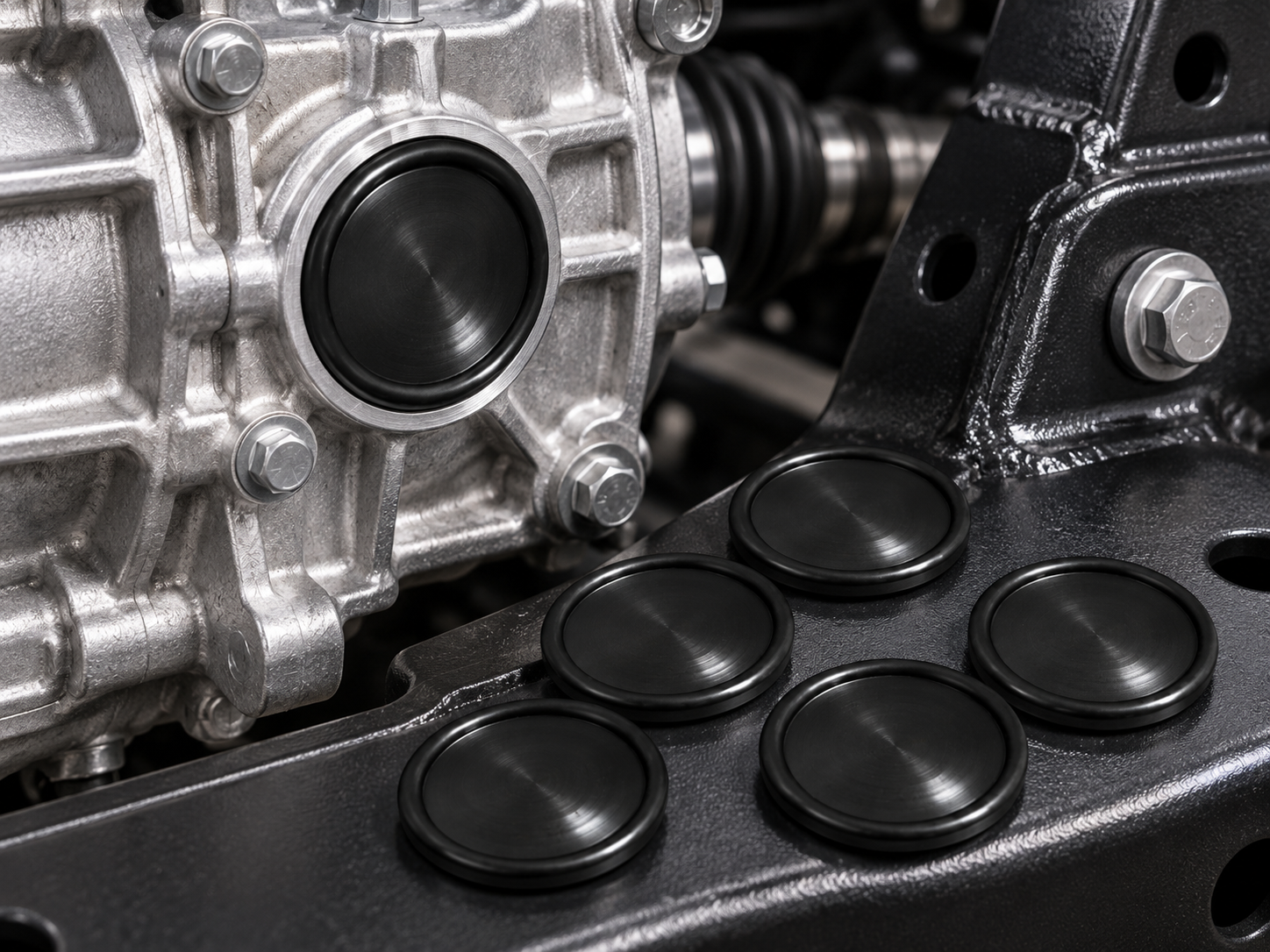
Components for engine, transmission, suspension and chassis assemblies requiring heat, fluid, vibration or weather resistance.

ES0001 development can move from design review and compound selection to tooling, sample approval and repeat production under agreed automotive quality requirements.
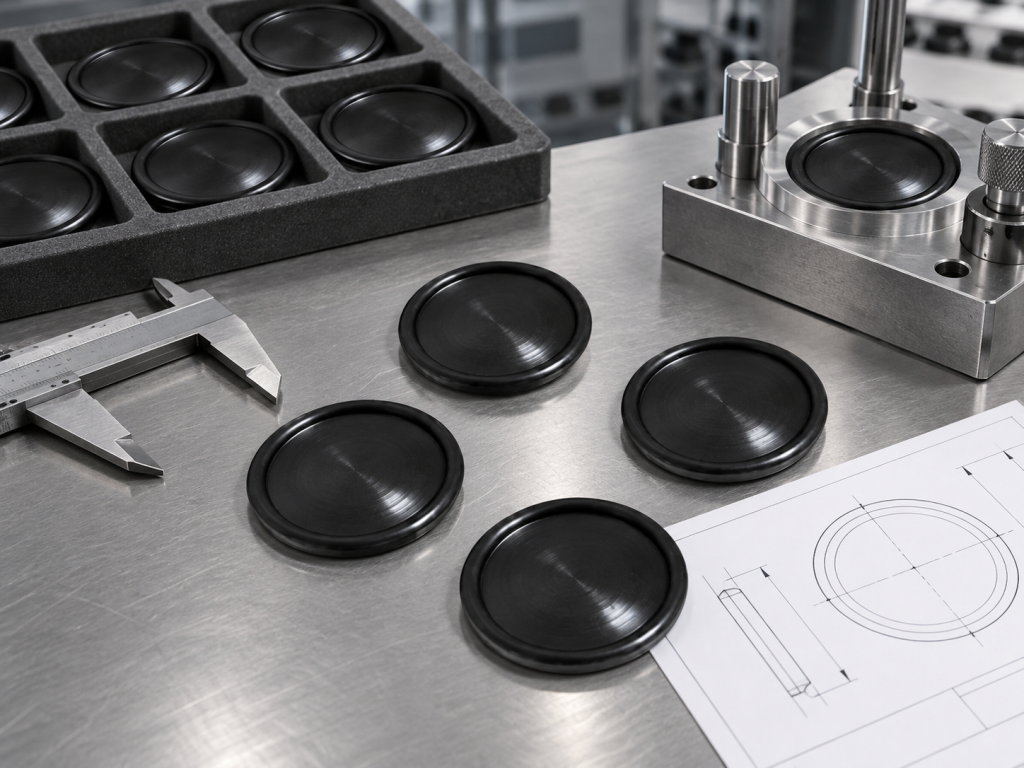
Part geometry, tolerances, mating interfaces, rubber compound and hardness are reviewed before tooling.
Initial molded samples can be evaluated for dimensions, fit, function, material properties and agreed appearance requirements.
Control plans, dimensional reports, material records and PPAP documentation can be prepared when required by the project.
Approved tooling, compound specifications, inspection criteria and batch records can be maintained for ongoing production.
For related sealing applications, see our automotive O-rings. For cable and panel pass-through applications, see our automotive rubber grommets.

Explore complementary sealing solutions from our comprehensive product catalog.