Measure the outer diameter of the shaft, tube, or hole you're plugging — not the cap's advertised size — then check that measurement against the cap's stretch range, not just a snug-fit chart. Most fit failures with rubber caps and plugs come from measuring the wrong surface or ignoring how much the material needs to stretch or compress to seal properly. Get the diameter, wall thickness, and depth right, then match the compound to your temperature and chemical exposure, and you'll rarely need a second order.
Here's a mistake we see constantly: a buyer measures an old, worn-out cap and orders a replacement based on that number. Problem is, rubber caps stretch over time and the original might not have fit correctly to begin with.
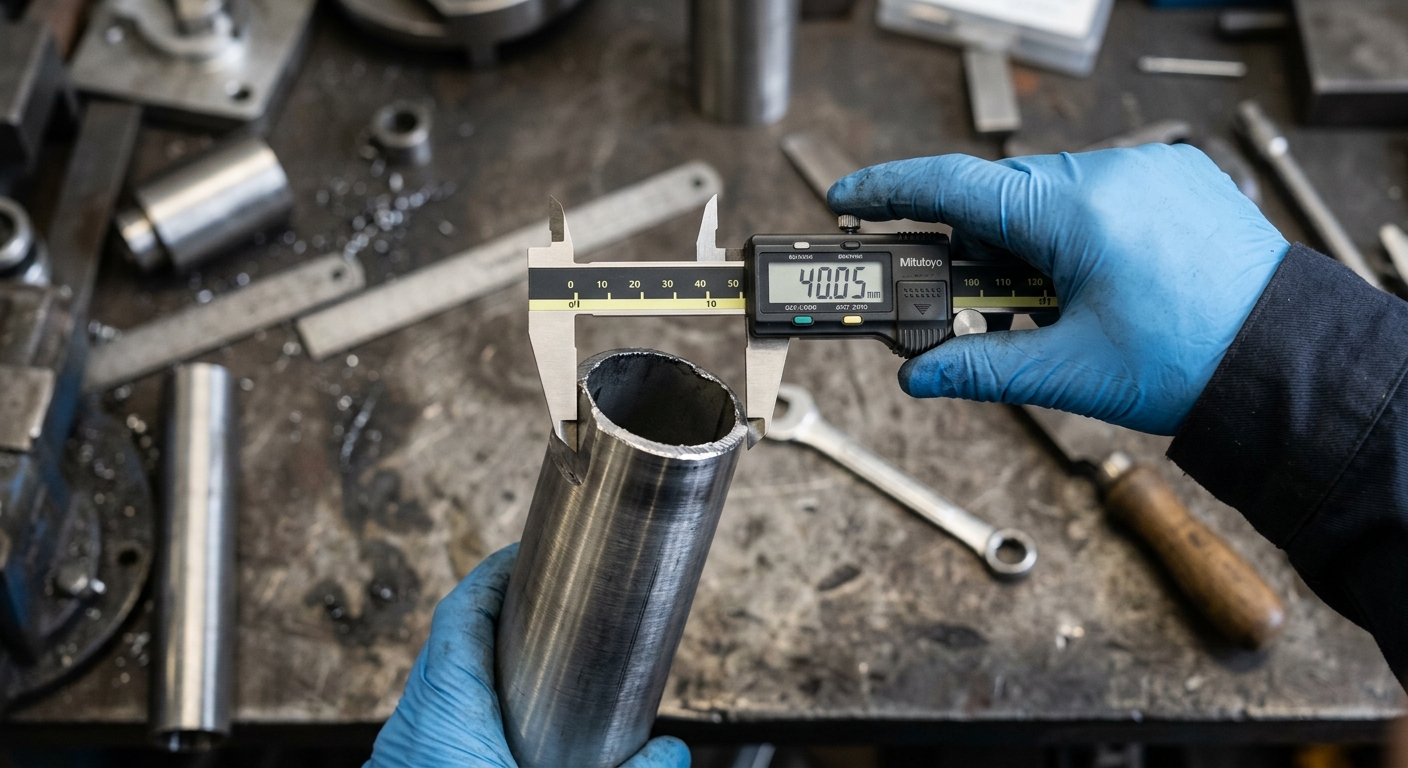
The right approach is to measure the actual male fitting, tube end, bolt head, or hole you're covering. Use calipers, not a tape measure — you need at least 0.1mm precision for anything under 50mm. Record the outer diameter (OD) at three points around the circumference, because extruded tubing and cast fittings are rarely perfectly round.
If you're plugging a tube end for pressure testing, also note the wall thickness — it affects how much internal support the plug needs to resist blow-out.
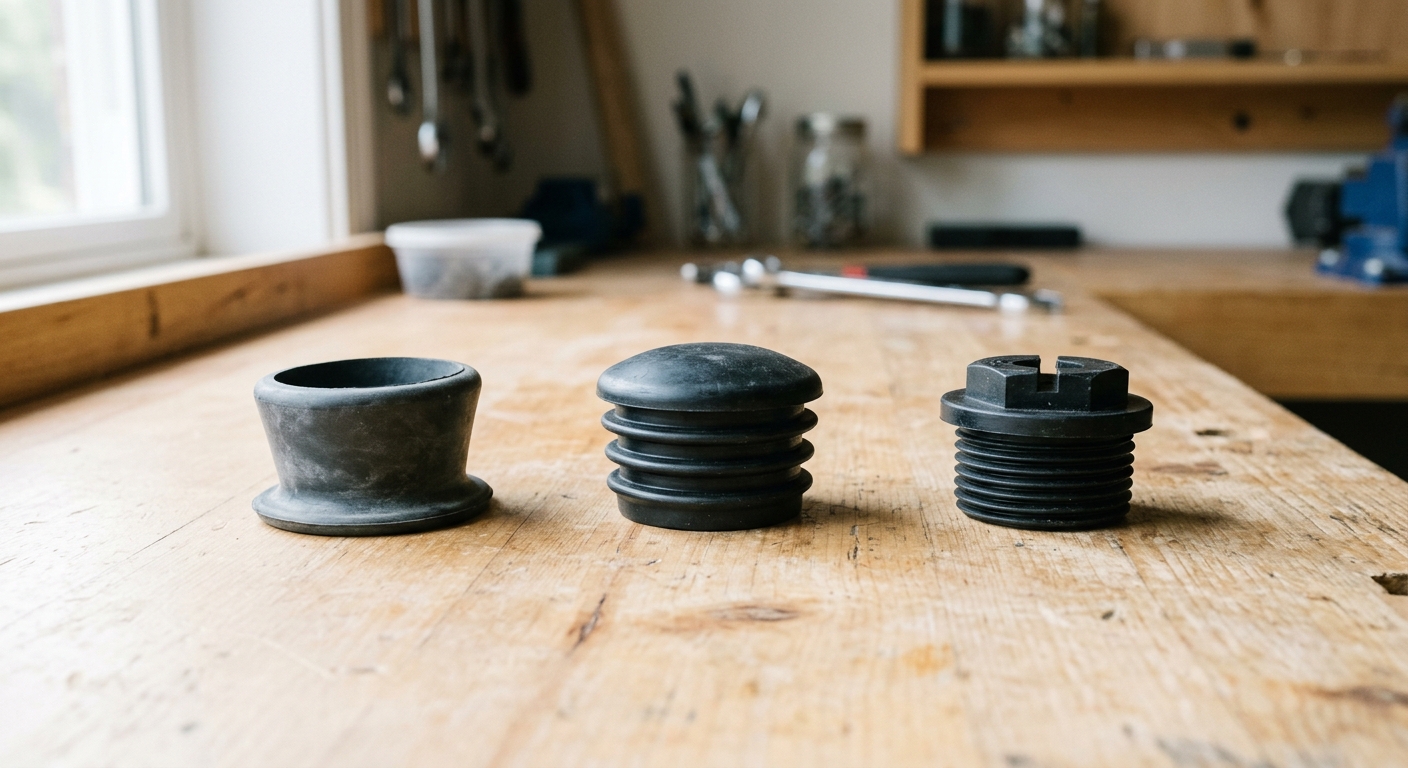
Not all rubber caps seal the same way, and picking the wrong fit type is the second most common ordering mistake. Stretch-fit caps rely on the rubber's elasticity to grip a fitting — they typically need to be sized 5-10% smaller in inner diameter than the part they cover. Push-fit plugs seat into a bore and depend on radial compression against the hole wall. Threaded plugs use mechanical engagement and don't rely on elasticity at all.
For stretch-fit caps on round tubing, order the cap's nominal ID 8% smaller than your measured OD. So a 25mm tube typically pairs with a cap rated for 23mm. Go smaller and you risk tearing during install; go larger and it'll slip off under vibration.
For push-in plugs sealing a drilled or bored hole, you want 10-15% compression on the plug's OD relative to the hole diameter — enough to create sealing pressure without requiring excessive install force.
A cap that fits the diameter perfectly can still fail if the wall thickness or depth is wrong for the application. Thin-wall caps (0.5-1mm) flex easily and are good for light dust protection, but they won't hold pressure or resist mechanical abuse. Thicker walls (2-4mm) are needed for plugs that seal against fluid pressure or get handled roughly during shipping and assembly.
Depth matters just as much. A plug that's too shallow won't fully engage the sealing surface; too deep and it may bottom out against internal features before achieving proper compression. For blind-hole plugging in hydraulic manifolds, for example, we typically recommend the plug depth be at least 1.5x the bore diameter to guarantee full contact and resist hydraulic push-out.
Fit is only half the equation — if the material can't handle your operating temperature, even a perfect-fit plug will harden, crack, or lose sealing force over time. NBR is the default choice for general oil and fuel plugging but starts losing flexibility below -20°C and degrades above 100°C in continuous service. EPDM handles outdoor UV and ozone exposure well and holds up to -50°C, making it a common pick for plumbing and water system plugs. Silicone covers the widest general-purpose range, from -60°C to 200°C, but has weaker abrasion resistance. FKM (Viton) is the go-to when you're dealing with fuel, hot oil, or chemical exposure above 150°C.
For instance, an HVAC equipment manufacturer plugging condensate line fittings that sit outdoors year-round would do better with EPDM than NBR — the ozone and weathering resistance matters more there than oil resistance.
Need help narrowing down chemical compatibility for a specific fluid or gas? Our engineering team reviews material selection as part of every custom quote.
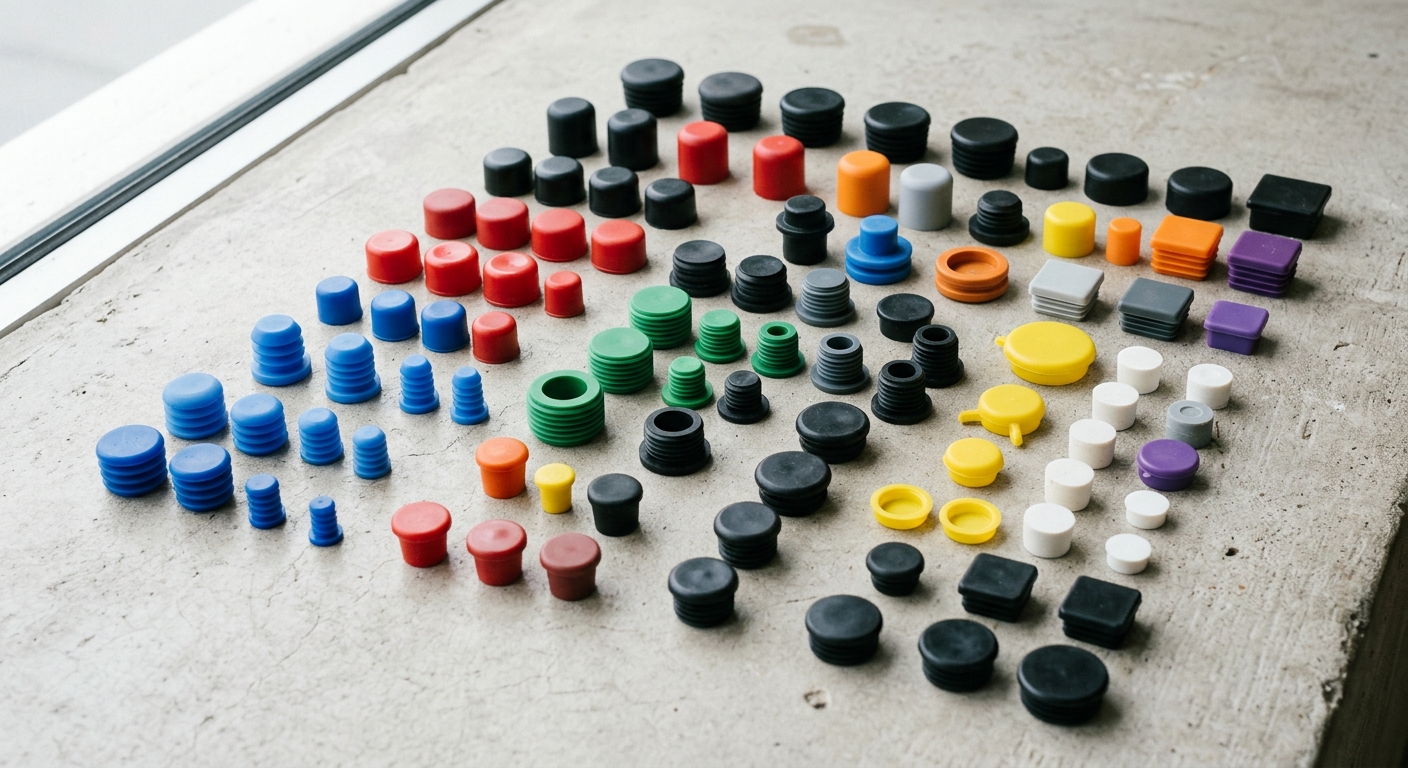
Two caps with identical dimensions but different Shore A hardness will fit completely differently. A 40 Shore A cap will stretch further and grip tighter on an oversized fitting, while a 70 Shore A cap holds its shape better but needs a more precise dimensional match to seal.
If you're ordering a batch for automated assembly lines, softer durometers reduce insertion force but increase the risk of the cap deforming during robotic placement — worth testing a sample batch before committing to volume.
Standard catalog caps are usually molded to ±0.2-0.3mm tolerance, which is fine for most general sealing and dust-protection jobs. If you're plugging a precision bore for pressure testing or medical device assembly, ask for tight-tolerance molding, typically ±0.05-0.1mm, which requires better mold design and tighter process control.
This is one area where working directly with a manufacturer instead of a generic supplier pays off — you can specify tolerance class upfront rather than discovering after delivery that the caps are inconsistent from cavity to cavity. Browse our rubber caps and plugs product range to see standard sizing options, or request a custom tolerance spec for your project.
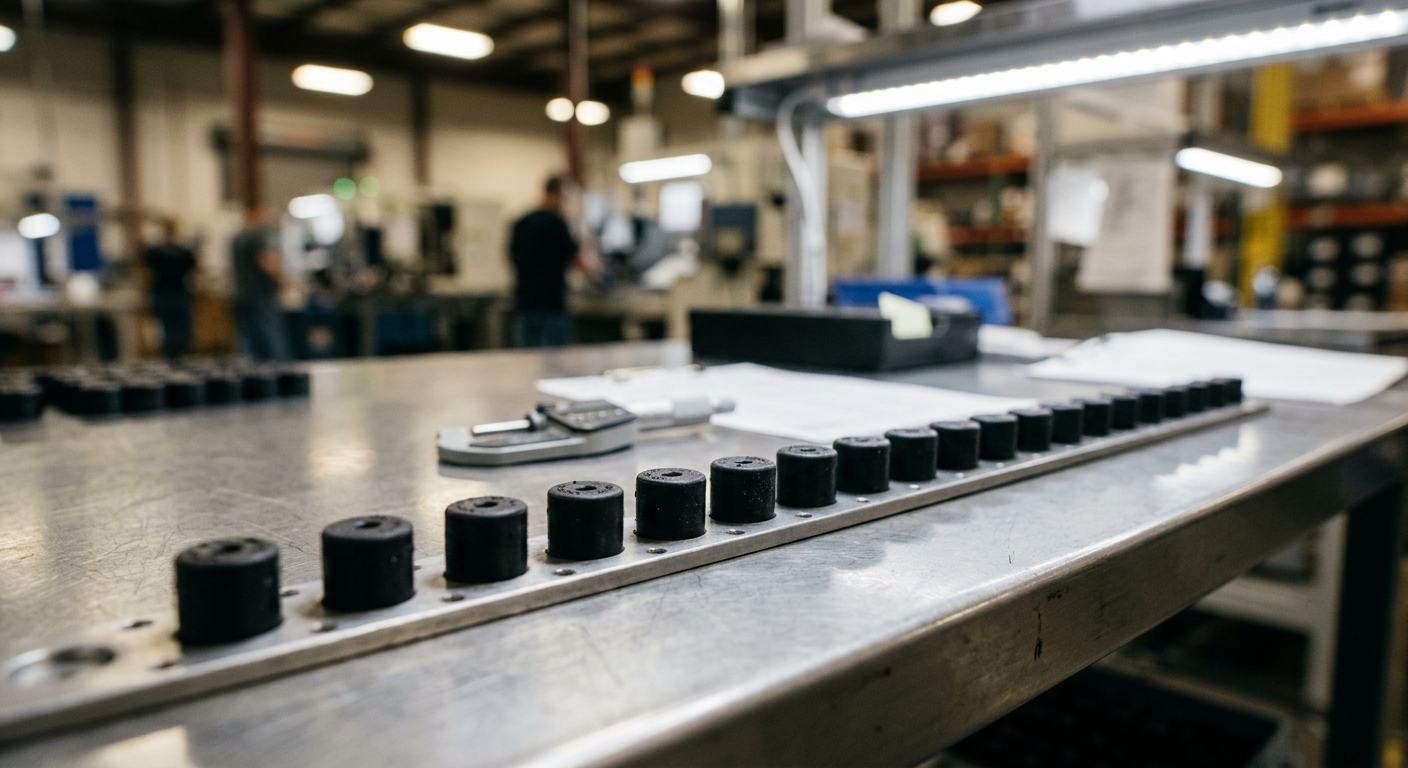
Most reorders trace back to a handful of repeatable errors. Measuring a painted or coated surface instead of bare metal adds thickness that throws off the fit. Ignoring thread pitch on threaded plugs leads to cross-threading or a loose seal. And measuring only one point on an oval or slightly deformed tube gives a false diameter reading.
Another overlooked issue: temperature during measurement. Rubber parts measured cold will read slightly smaller than they will at room temperature — always measure and spec at a consistent reference temperature, usually 23°C, to avoid mismatched batches.
If your fitting has an unusual flange, a non-round profile, or sits in a corrosive or high-temperature environment outside standard NBR/EPDM ranges, custom molding is almost always worth it. Off-the-shelf caps are built for common industrial sizes — anything outside that range usually means poor fit, compromise on material, or both.
We've supported OEM customers who needed custom silicone plugs for medical tubing with tolerances tighter than any catalog part could offer, and industrial customers needing FKM plugs rated for continuous 200°C exposure in oil field equipment. Both started with the same process: accurate measurement of the mating part, followed by material and hardness selection based on the real operating environment — not a generic spec sheet.
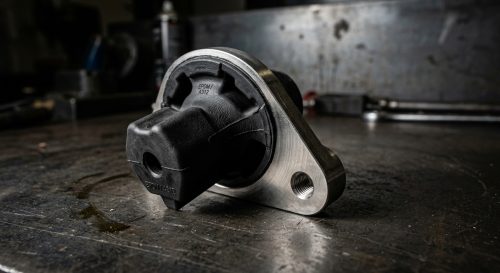
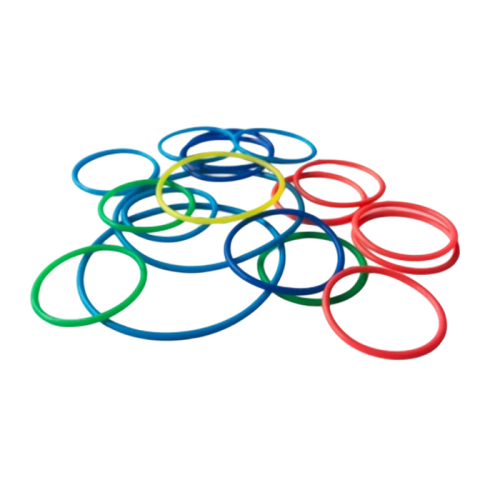

Our engineering team reviews your specs and responds within 24 hours with material recommendations and competitive pricing.