BEST SELLER

O-Rings for Valves

Category: Custom O-Rings & Rubber Seals

Hongjie manufactures custom O-rings for seat, stem, bonnet, and body sealing across ball, gate, check, and control valves, supplying OEM valve builders and MRO buyers in oil & gas, water treatment, HVAC, and process industries — from AS568A stock sizes to fully custom profiles.

Sealing Solutions by Valve Component & Type

Valve O-rings serve different functions depending on their location:

  • Seat O-rings: Provide a static seal against line pressure in ball and gate valves. Extrusion resistance and compression set are the main considerations.
  • Stem O-rings: Move with each turn or stroke and must withstand repeated wear in check and control valves.
  • Body and bonnet seals: Close the housing joint and maintain sealing performance through thermal cycling.

Each O-ring is molded according to the groove geometry and duty cycle. For standard sizes, see AS568 O-rings by dash size.
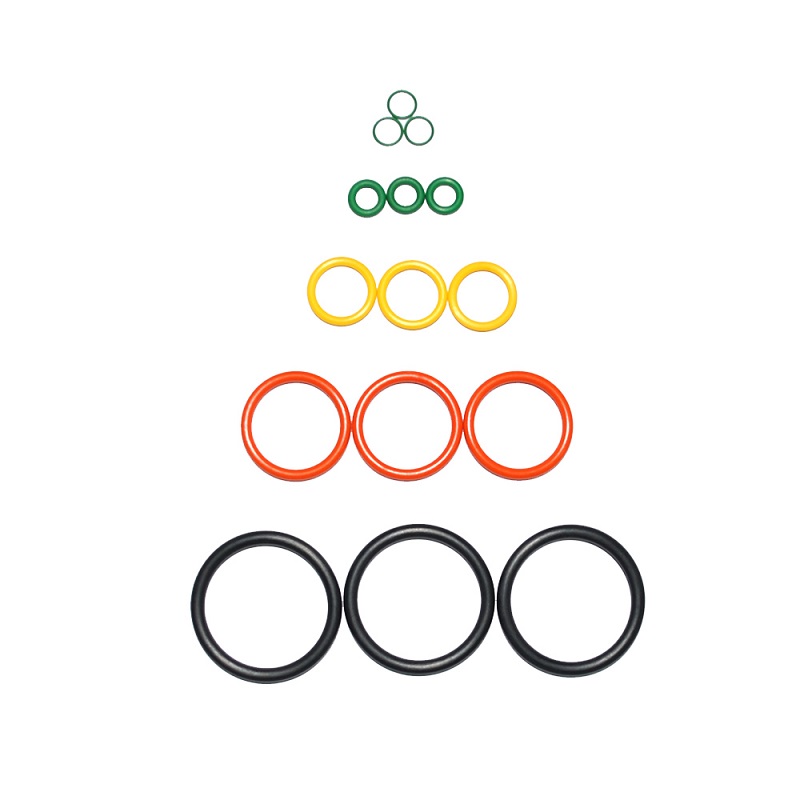

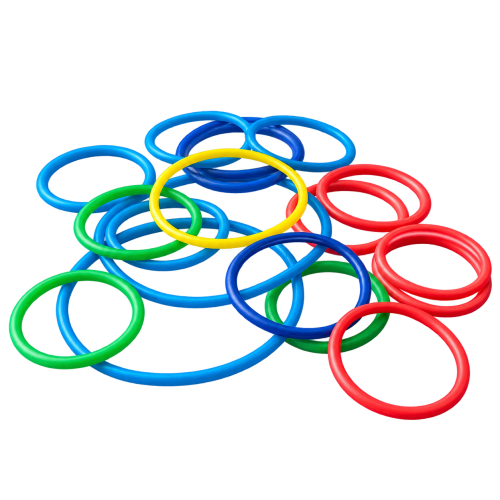
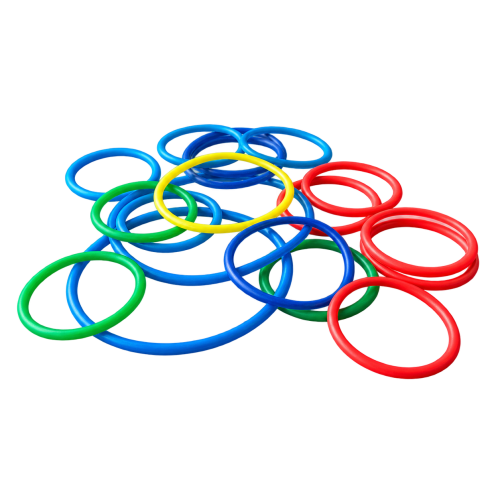
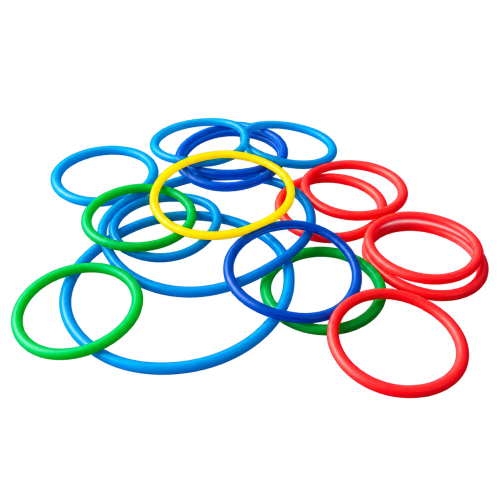
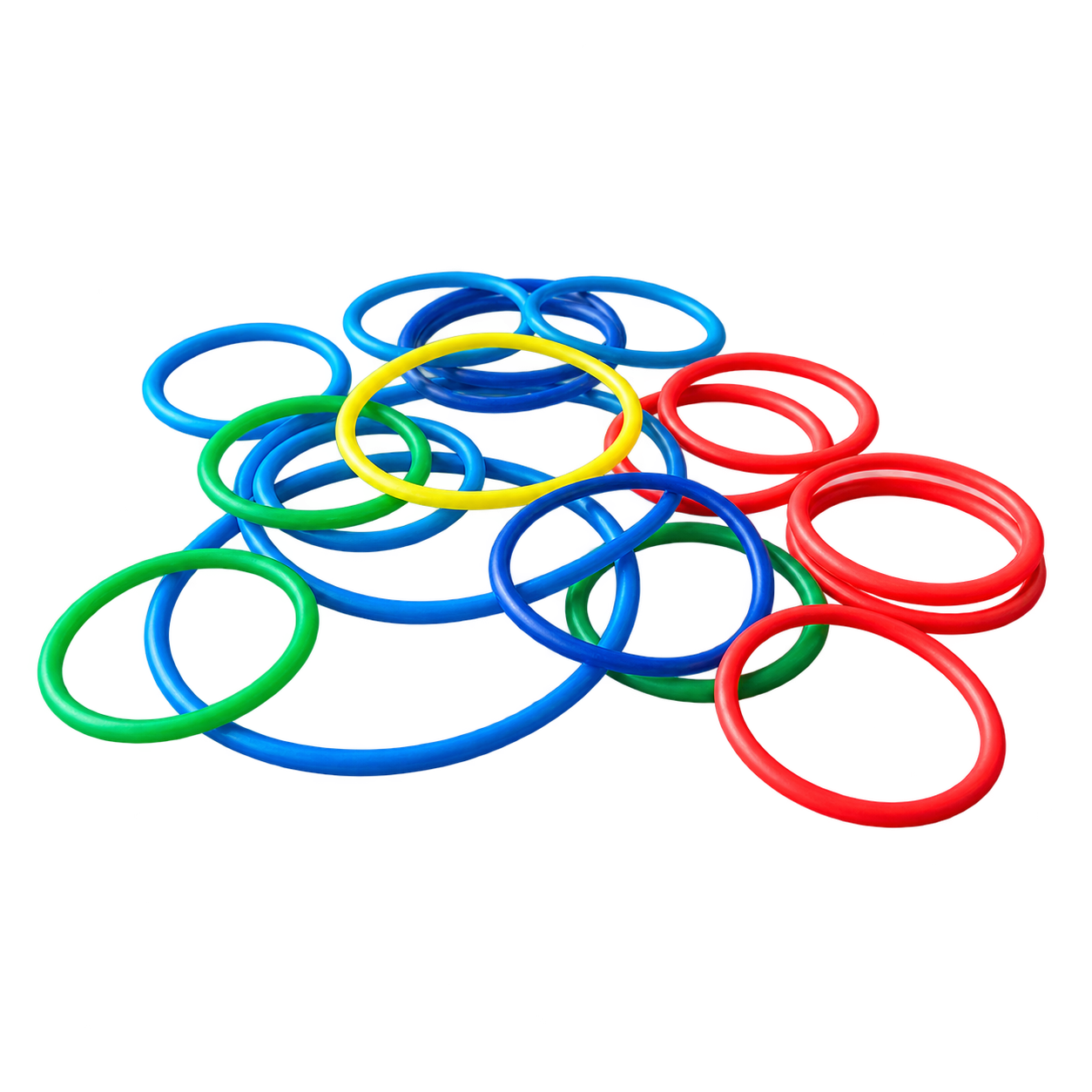
colorful rubber o-rings in various sizes

Material Selection for Valve Media & Operating Conditions

Material selection should follow the valve media, temperature and motion requirements:

  • Oil and fuel lines: NBR O-rings provide good swell resistance but are less suitable for ozone and weathering.
  • Chemical and high-temperature process valves: FKM (Viton) O-rings offer broad chemical resistance. For prolonged high-temperature steam exposure, EPDM may be a better option.
  • Water and steam valves: EPDM O-rings perform well in water and steam but swell in petroleum oils.
  • Potable-water and medical applications: Silicone O-rings are available in FDA- and NSF-compliant grades. Their lower tear strength makes them more suitable for static sealing than high-cycle stem applications.
CompoundTemp Range*Durometer (Shore A)*Key Limitation
NBR−30°C to +120°C40–90Weak vs ozone/UV
FKM (Viton)−20°C to +200°C50–90Fails in steam >150°C
EPDM−50°C to +150°C40–90Swells in petroleum oils
Silicone (VMQ)−60°C to +200°C30–80Low tear resistance

*Typical grade ranges. Hongjie's full compound range spans −60°C to +325°C, resistance-tested against 500+ fluids and chemicals.

Valve OEM Programs

Precision & Quality for Valve OEM Programs

Engineering review, certified quality systems and material compliance support consistent valve O-ring production.

  • 1

    Dimensional Control

    Critical features from 0–10 mm can be held to ±0.02 mm on the precision tier.

    0–10 mm ±0.02 mm
  • 2

    AS568A & Metric Sizing

    Standard AS568A and metric sizes are supported through a library of 3,500+ existing O-ring tools.

    AS568A Metric Sizes 3,500+ Tools
  • 3

    Engineering Review

    A team of 25+ engineers reviews groove and gland fit using 3D CAD and FEA before tooling.

    25+ Engineers 3D CAD FEA Review
  • 4

    Certified Quality Systems

    IATF 16949:2016 and ISO 13485:2016 certifications support automotive and medical valve programs.

    IATF 16949 ISO 13485
  • 5

    Material Compliance

    FDA- and NSF-compliant compounds are available for potable-water and food-contact valve applications.

    FDA Options NSF Options Potable Water

MOQ, tooling lead time and sample cost depend on the part geometry and are confirmed during the quote review.

From Drawing to Production

Send a drawing and get a functional prototype in 3–5 business days, with mold and tooling support carried through to mass production via custom O-rings from drawings & samples. Ready to spec a part? Start a project discussion.
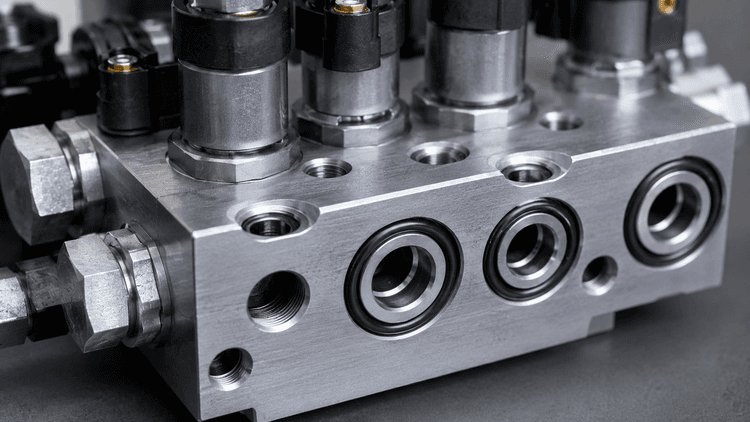
    industrial fluid manifold with multiple rubber O-ring seals visible

    Industries We Serve

    Valve O-rings from Hongjie run in oil & gas, water treatment, HVAC, medical/pharma, and general industrial process lines. Medical valve builds also source medical rubber parts for surrounding assemblies, and plumbing systems draw on rubber parts for plumbing systems for fittings beyond the valve.

    For potable-water fittings, valves and faucets, see plumbing O-rings in FDA/NSF-compliant compounds.


    FAQ

    Frequently Asked Questions

    What is an O-ring in a valve?
    It's the elastomer ring sealing the seat, stem, or bonnet joint against line pressure and media leakage — static at the seat, dynamic at the stem where it takes cyclic wear from actuation.
    How do I tell what size O-ring I need?
    Measure inner diameter and cross-section against AS568A or metric tables, or send us the valve drawing directly and we'll confirm the groove fit before molding.
    What are the three types of valve seals?
    Seat seals (static, pressure containment), stem seals (dynamic, cyclic wear resistance), and body/bonnet seals (housing joint, thermal cycling) — each needs different compression-set and wear properties.
    You May Also Need

    Related Products

    Explore complementary sealing solutions from our comprehensive product catalog.
    View More Products