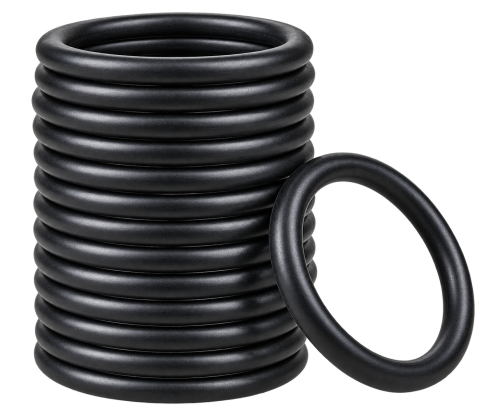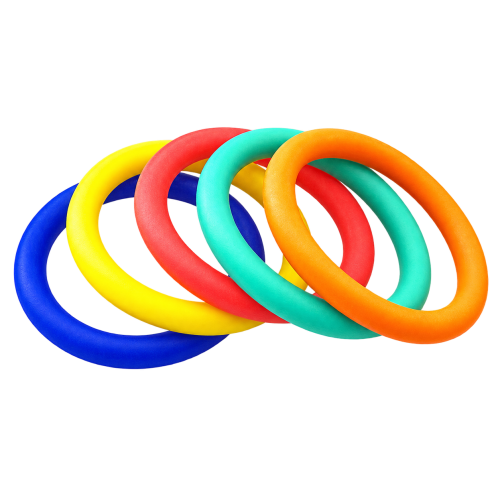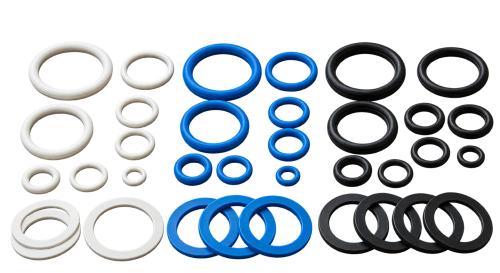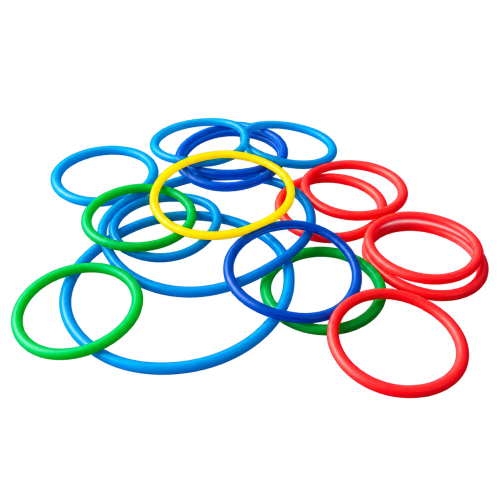
NBR (nitrile) is commonly selected for parts exposed to oil, fuel or hydraulic fluid. Starting with a manufacturer that already holds the relevant tooling can reduce both development cost and lead time.
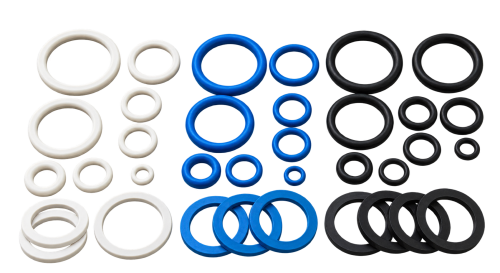
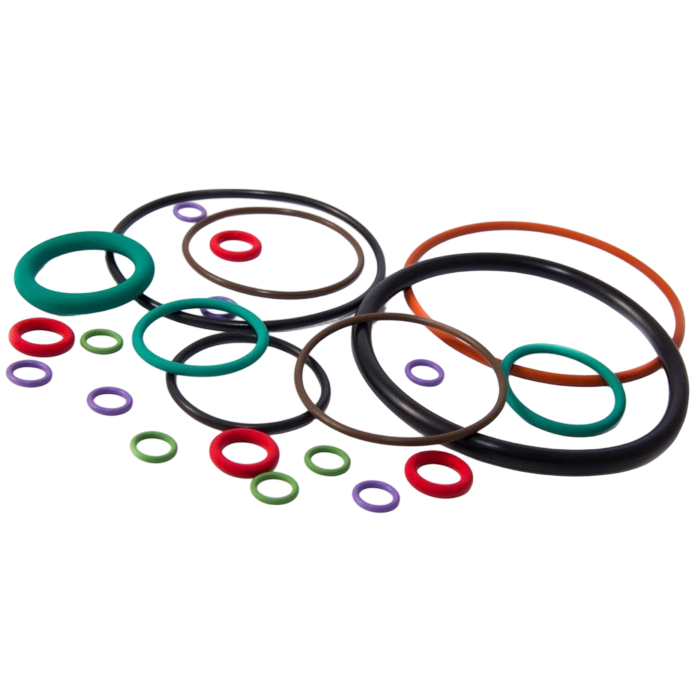
Hongjie has more than 3,500 existing O-ring tools and access to over 200 rubber compounds. Standard NBR dimensions may therefore use an existing mold instead of requiring new tooling before the first prototype.
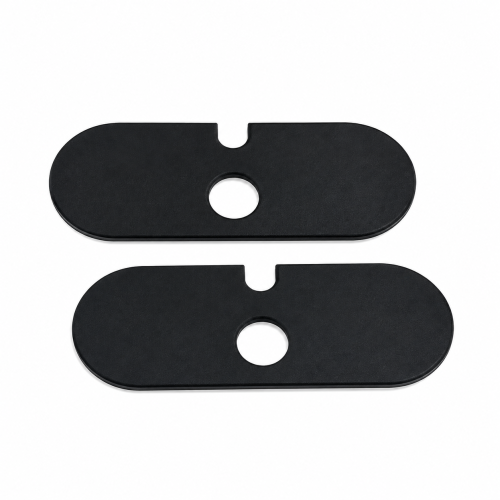
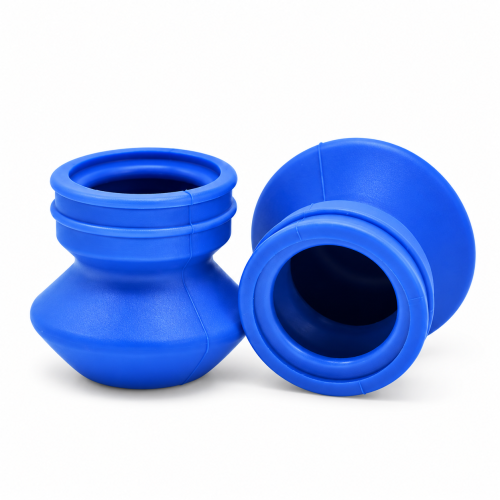
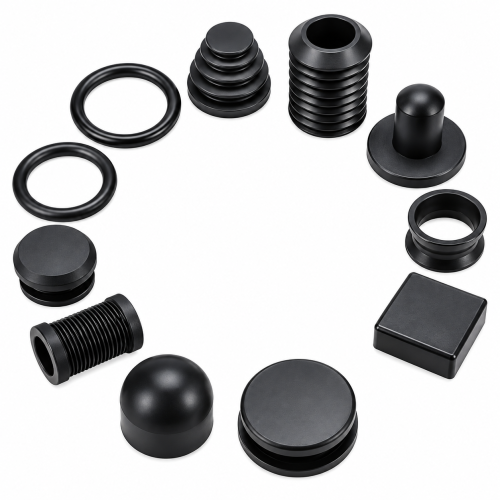
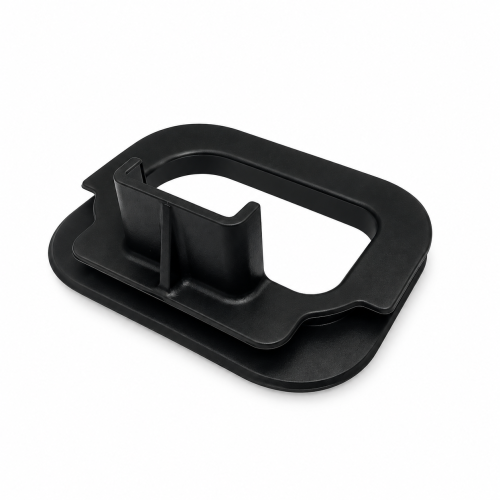
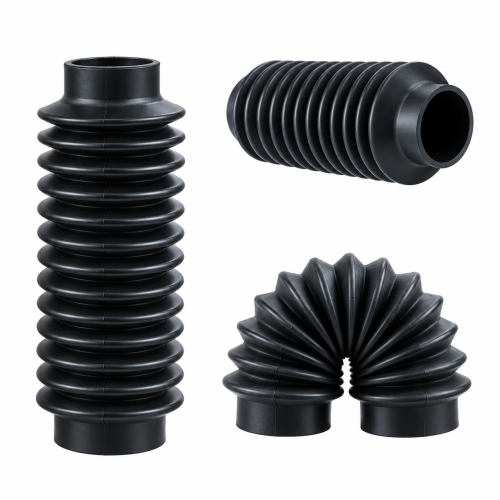
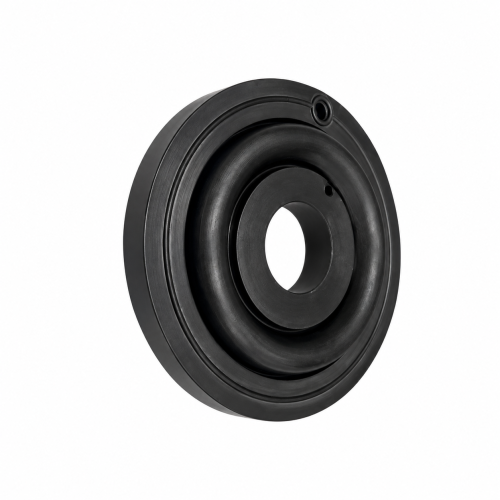
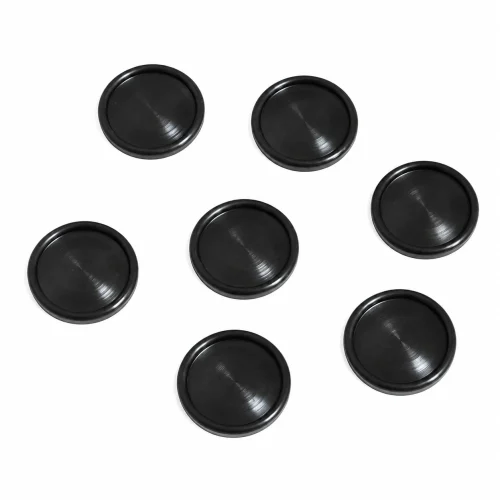
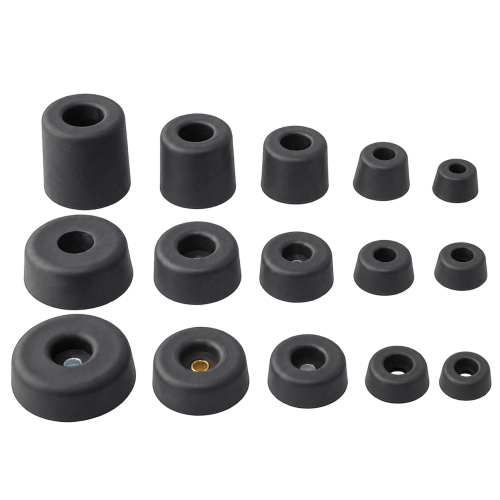
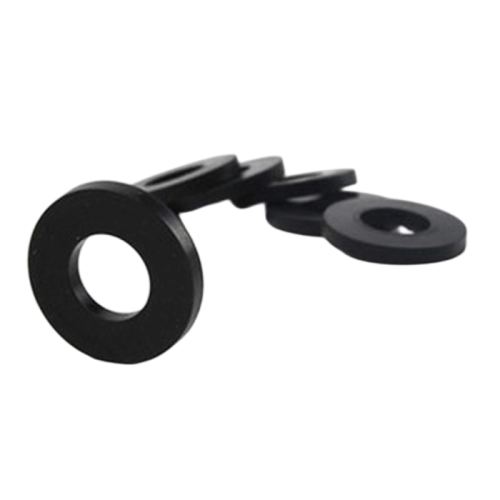
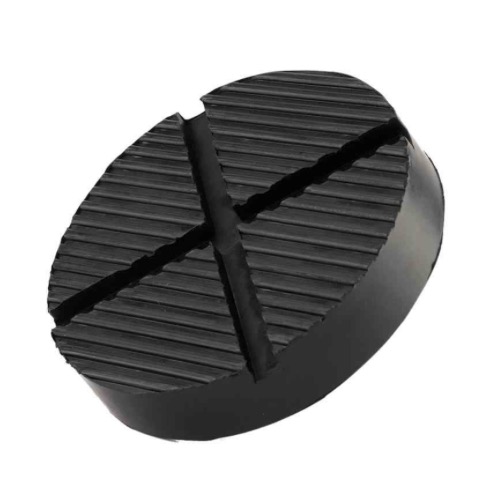
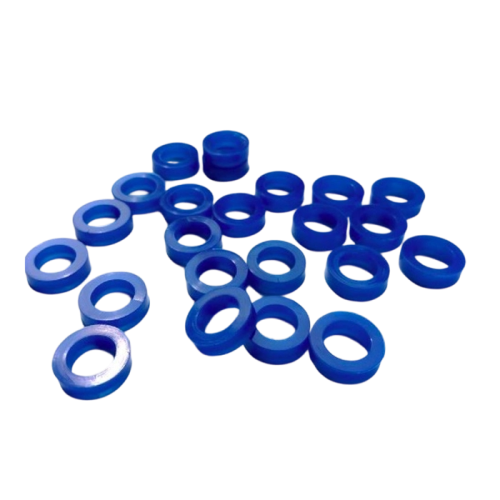
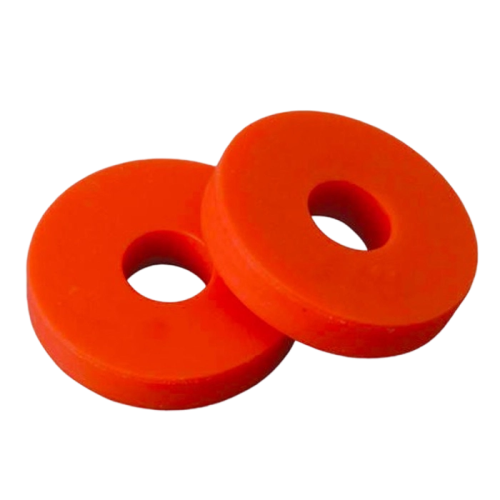
Beyond O-rings, Hongjie produces NBR gaskets, seals, grommets, washers and bushings through injection molding, compression molding, extrusion, die-cutting and rubber-to-metal bonding. Request a quote with your drawing to confirm the compound grade, tooling route and prototype schedule.
NBR, also known as nitrile-butadiene rubber or Buna-N, is a synthetic copolymer made from acrylonitrile (ACN) and butadiene.
The ACN ratio determines the balance between oil resistance and low-temperature flexibility. Higher ACN grades provide stronger hydrocarbon resistance, while lower ACN grades remain more flexible in cold conditions. For more detail on vulcanization and cure systems, see our guide to the rubber seal manufacturing process.
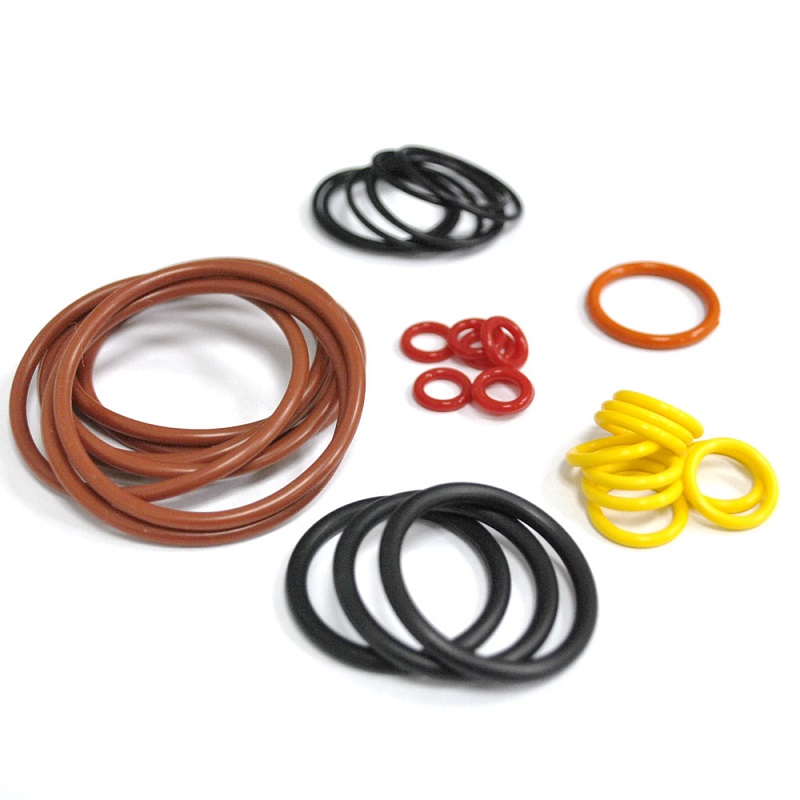

Before you lock NBR into a spec, check it against what the application actually needs:

Strong against petroleum oils, greases, and many hydraulic fluids

Holds up under sliding or dynamic contact

Retains sealing force under sustained load

General-industry NBR grades run roughly −30°C to +100°C (−22°F to 212°F), depending on formulation

Typically Shore A 40–95 across standard NBR formulations

Commonly 18–50%; higher ACN improves oil resistance, lower ACN improves cold flexibility and elongation
A real limitation for outdoor or UV-exposed parts
When ozone or outdoor weathering matters more than oil exposure, EPDM rubber parts handle UV and ozone aging that NBR can't — the two compounds solve opposite problems and shouldn't be specified interchangeably.
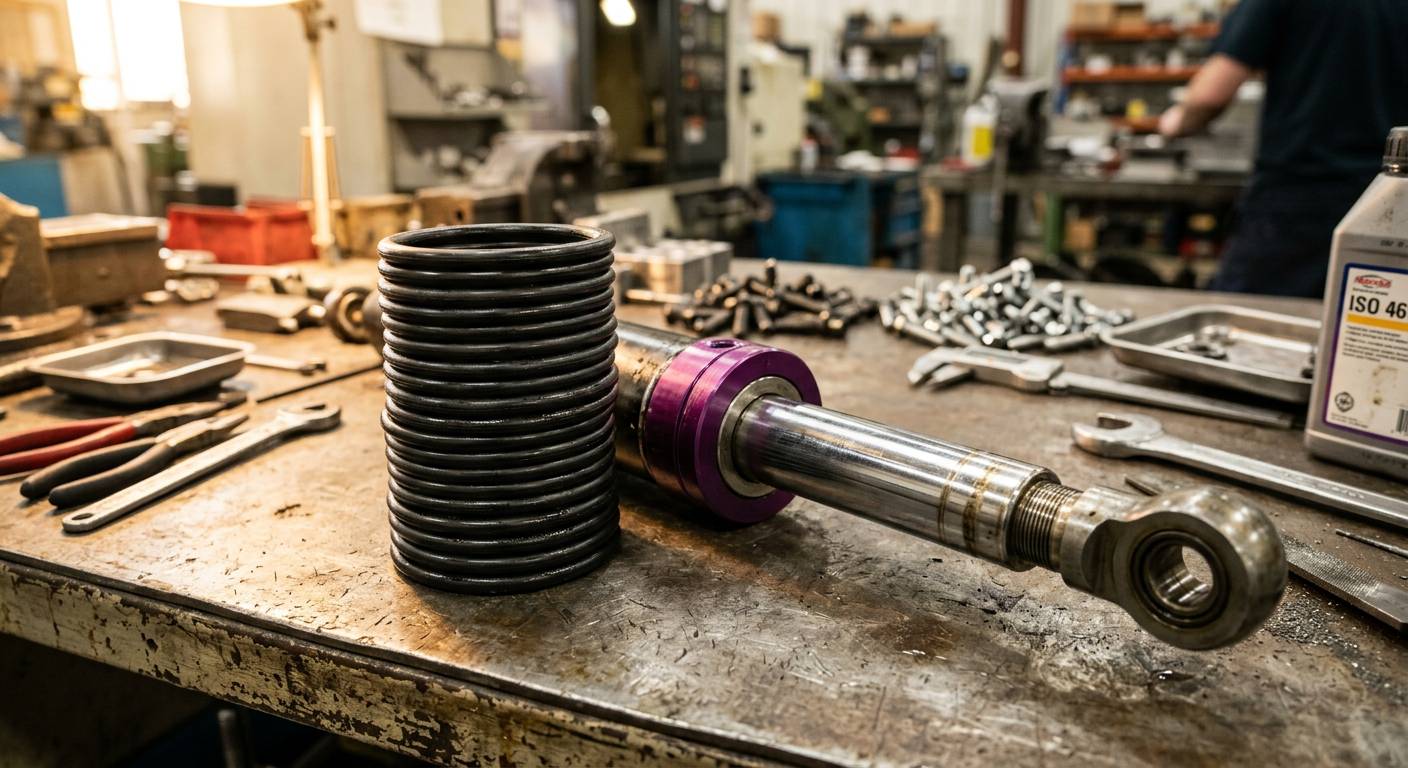
We mold and cut NBR into whichever part geometry your assembly needs, using existing tooling wherever the dimensions match our library:
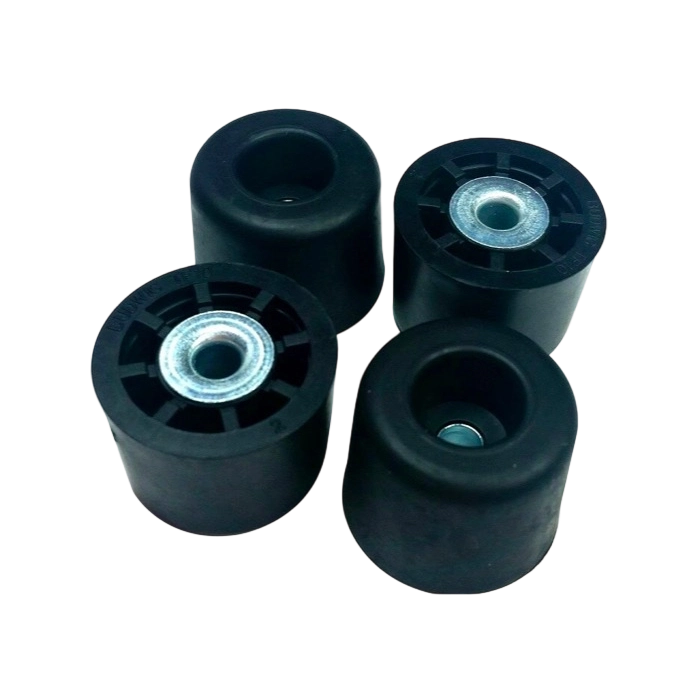
NBR parts are supplied for automotive fuel and lubrication systems, hydraulic components, industrial equipment, appliance subassemblies and plumbing fittings where oil or petroleum-fluid contact drives material selection.
For automotive fuel and lubrication circuits, see automotive rubber seals. For plumbing assemblies that combine water lines with oil-exposed fittings, see rubber parts for plumbing systems.

NBR components are produced in-house through injection molding, compression molding, die-cutting, extrusion and rubber-to-metal bonding. The process is selected according to the part geometry, production volume and required tolerance.
For process selection and molding options, see custom rubber molding services. For tighter-tolerance geometries, see precision molded rubber parts. Precision tolerance holds to ±0.02mm on our tightest tier:
| Dimension Range | Standard | Precision |
|---|---|---|
| 0–10mm | ±0.10mm | ±0.02mm |
| 10–25mm | ±0.15mm | ±0.05mm |
| 25–50mm | ±0.20mm | ±0.08mm |
| 50–100mm | ±0.25mm | ±0.10mm |
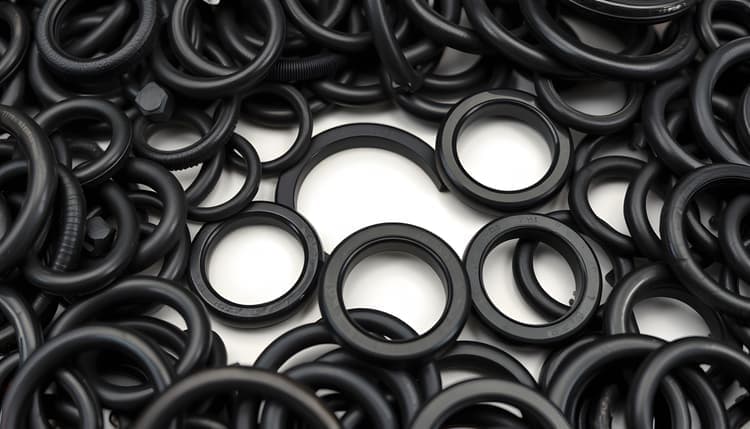
Figures apply to molded parts, measured on a single dimension, post-cure. Die-cut and extruded profiles carry wider tolerance bands, and complex multi-cavity geometries may fall outside the tightest tier.
Functional prototypes ship in 3–5 business days once a drawing is confirmed.
Hongjie operates under IATF 16949:2016 and ISO 13485:2016 certification. UL certification supports electrical applications, while FDA- and NSF-compliant NBR grades are available for food- and water-contact parts.
Production uses Statistical Process Control and Six Sigma methods, with a target of Cpk > 1.33 across production lots.

Hongjie has manufactured rubber seals since 2001 at an 11,000 m² facility staffed by roughly 150 employees.
More than 50 million precision-inspected seals are delivered annually to Tier-1 suppliers in over 45 countries. With an existing tooling library and shared quality system, NBR O-ring and bushing programs can run through one supplier instead of being split across vendors.
Existing Tools
Rubber Compounds

Upload your drawing and we'll return an OEM quote covering compound grade, tooling path, and prototype timing.


Explore complementary sealing solutions from our comprehensive product catalog.