Separate the problem first: sealing a hole against moisture or oil, protecting a wire from a sharp edge, or plugging an unused cutout for looks. Each calls for a different fix, and rubber isn’t automatically the answer for all three.
| Material | Flexes with vibration | Weakness | Sharp-edge risk |
|---|---|---|---|
| Rubber (NBR/EPDM/silicone) | Yes | Compound-specific — NBR resists oil/fuel, silicone doesn’t | None |
| Metal | No | Rigid; won’t cushion vibration | Exposed edges can cut insulation |
| Plastic/Nylon | Limited | Brittles and cracks under UV/heat | Low, but fails without warning |
Foam padding, felt tape, leather strips, and heat-shrink tubing work as rubber grommet substitutes for a one-off, dry hole. None seal against liquid, and all wear out faster than a molded grommet under repeated flexing or heat.
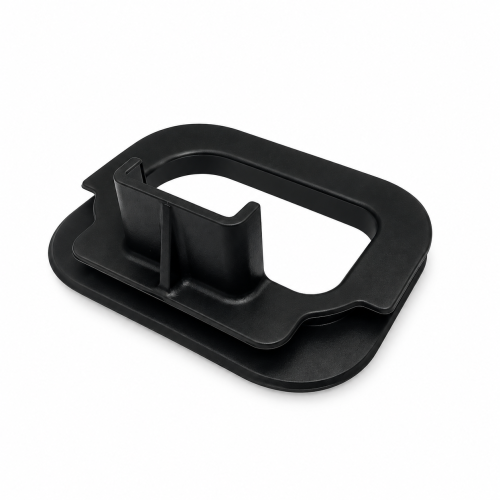
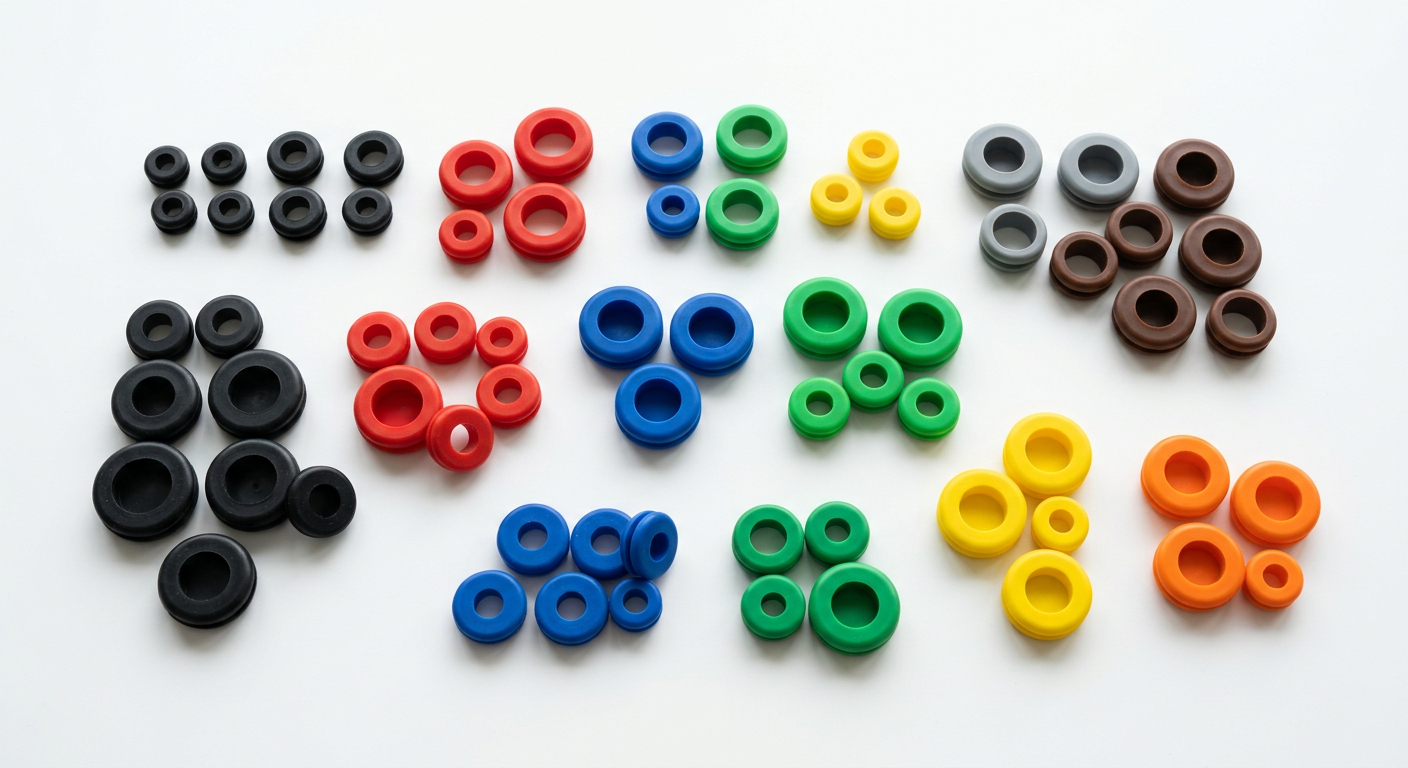
NEC 300.4(G) requires a bushing or grommet wherever wiring passes through a metal framing member — that protection isn’t optional. Skip it only for a cosmetic hole with nothing passing through. Hardware-store assortments cover common sizes off the shelf. Once tolerance or durometer matters, a manufacturer building to IATF 16949 and ISO13485 standards, with tolerances down to ±0.02mm and functional prototypes in 3–5 business days, is the difference between a fix and a repeat failure. Rectangular Rubber Grommets for Panel Cutouts cover that sizing range.
Yes, typically basic assorted-size rubber grommets and hole plugs for farm and auto repairs, limited to common stock sizes. Beyond that, a custom molder is the better source for a specific durometer or a tolerance a rack assortment can’t guarantee.
The same rubber-versus-alternatives logic applies when picking an O-ring compound — see viton o rings vs alternatives and Viton O-rings. For grommet shapes and sizing, start with types of rubber grommets or EPDM Gaskets Explained: The Complete Guide for a gasket-specific compound comparison. To size a custom part, contact us.
What can you use instead of grommets?
Foam, felt tape, leather strips, or heat-shrink tubing hold up for a dry, low-stress hole. None seal against liquid or flex reliably over time, so they suit a quick fix rather than a permanent installation.
Do I need rubber grommets?
Yes, when code requires bushing protection for wiring through metal, or when moisture and vibration are present. A cosmetic, unused hole with nothing passing through can skip it.
Are grommets outdated?
No. They remain the standard way to protect wiring and seal panel cutouts under code and OEM specs. Foam, tape, and leather are stopgaps for when a proper grommet isn’t on hand, not replacements.
Are T tubes better than grommets?
T-tubes, used in speaker enclosures, manage airflow and venting — a different function entirely. They don’t protect wire insulation or seal against moisture, so they aren’t a substitute for a grommet’s job.
Does Tractor Supply sell rubber grommets?
Yes, in limited common sizes for general repairs. For a specific tolerance, durometer, or order volume beyond a hardware rack, a custom molder is the better source, contact us to size one.


Our engineering team reviews your specs and responds within 24 hours with material recommendations and competitive pricing.