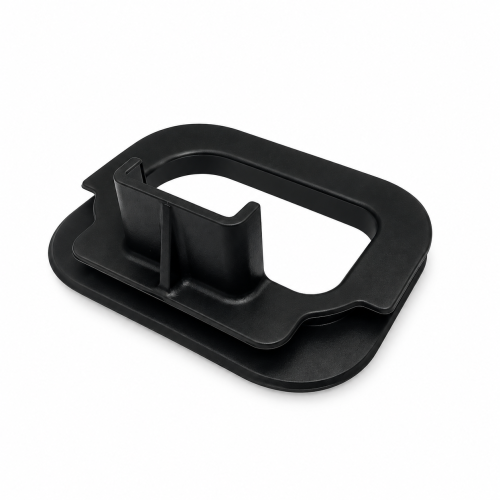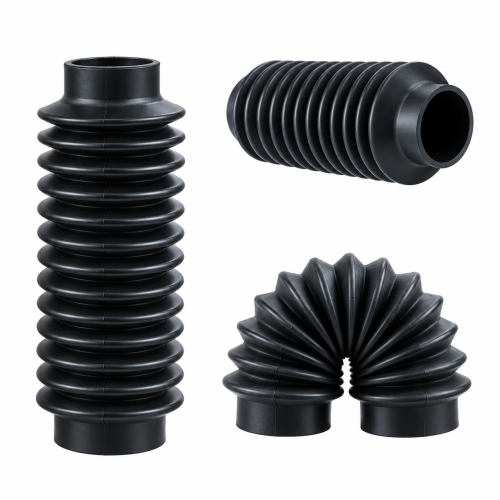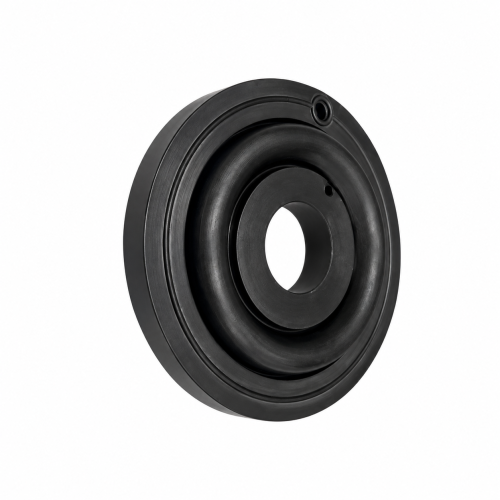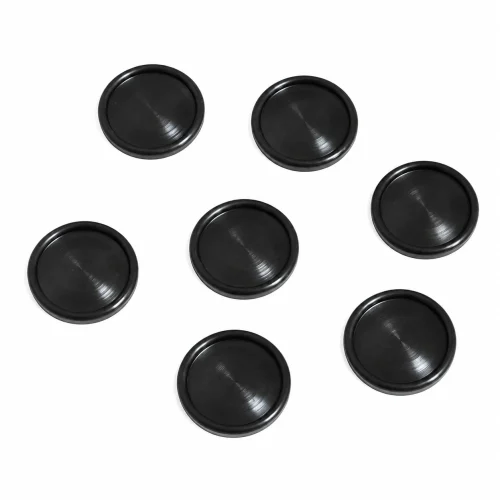

Since 2001, Hongjie Sealing Technology has manufactured custom rubber seals at its 11,000 m² Shenzhen facility, handling tooling, molding, extrusion, and die-cutting in-house. Hongjie produces 50+ million precision-inspected seals annually for buyers in 45+ countries across automotive, medical, hydraulic, and industrial markets.
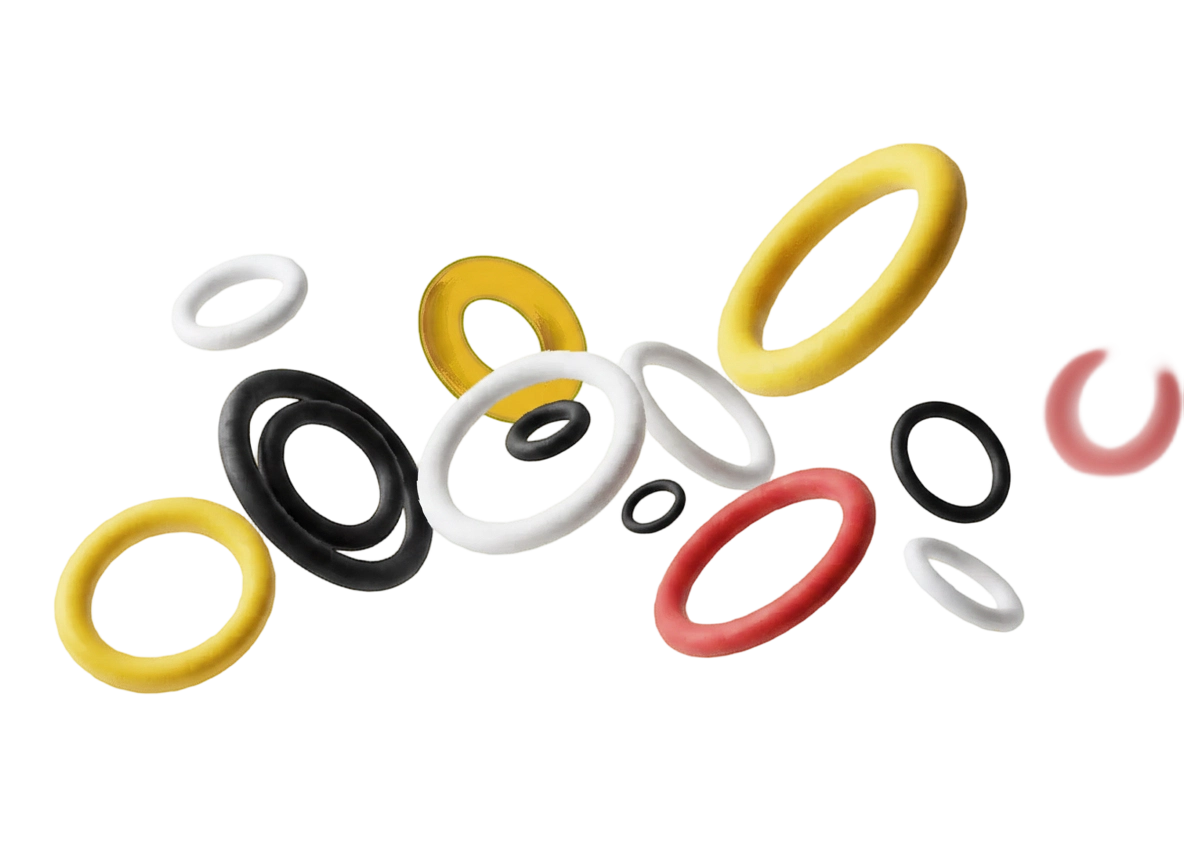
More than 3,500 standard profiles in AS568 and metric sizes are available alongside custom molding. Browse by size, material or temperature requirement:

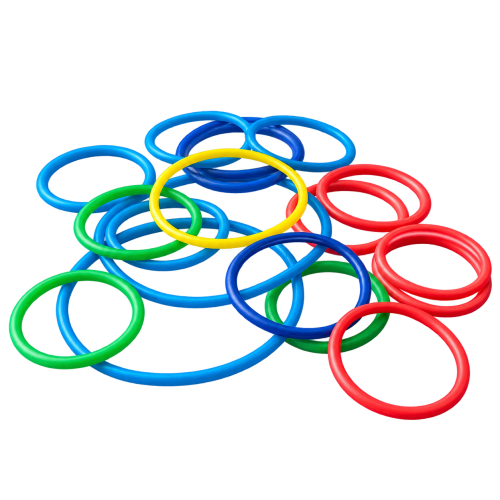
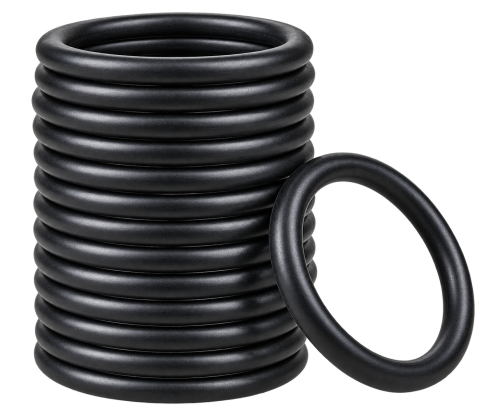
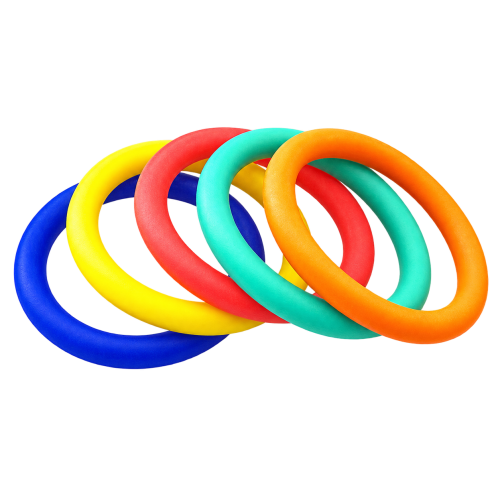
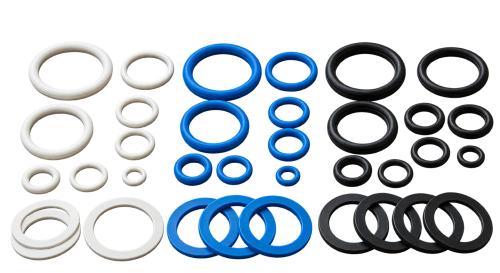
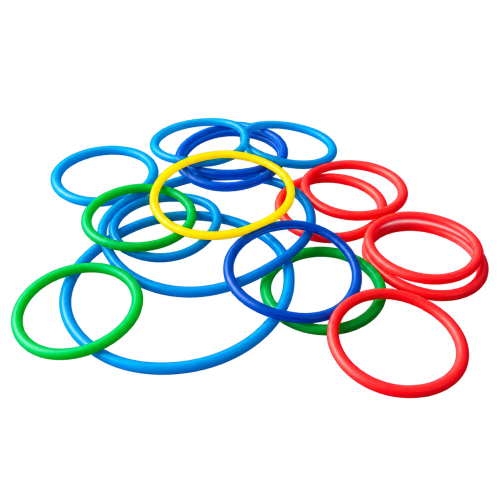
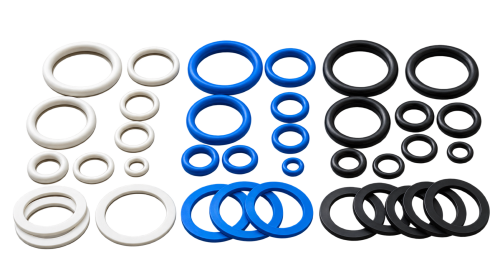
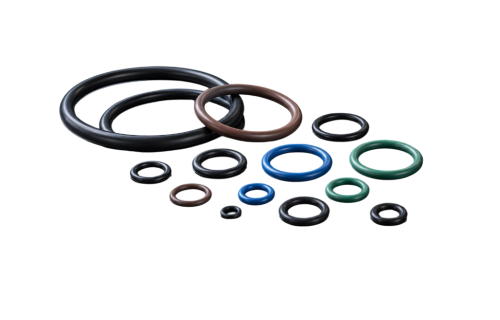
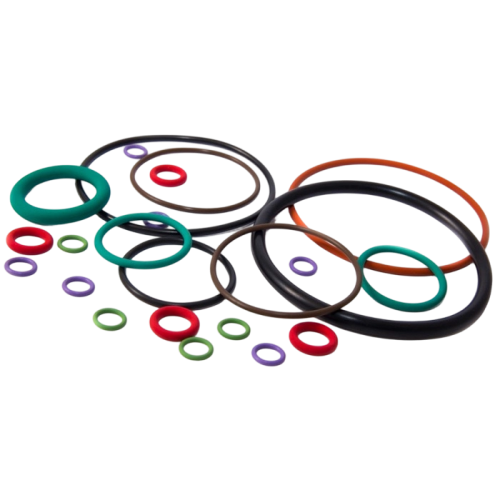
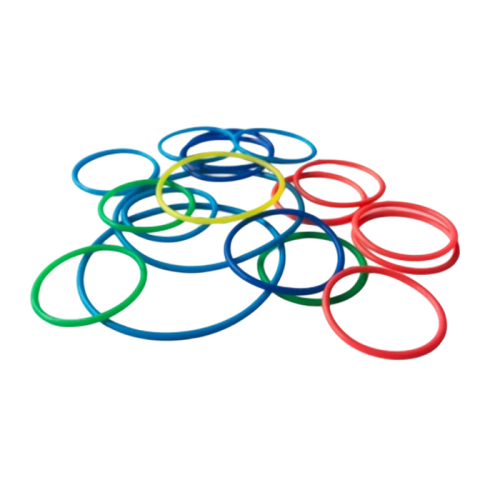
Match the part to its geometry before requesting a quote:
| Product | Typical geometry | Common use |
|---|---|---|
| Seal (lip/oil/U-seal) | Molded profile with a sealing lip or edge | Rotating shafts, sliding rods, dynamic sealing |
| O-Ring | Round cross-section ring | Static or dynamic sealing in a machined groove |
| Gasket | Flat or molded flange shape | Static sealing between two mating surfaces |
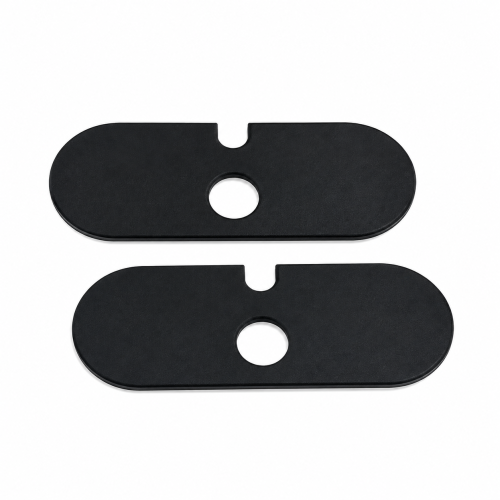
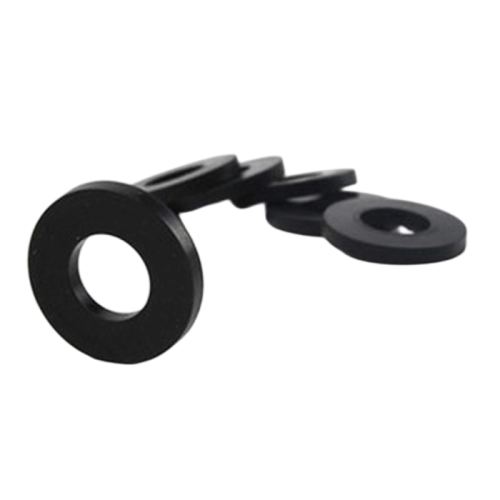
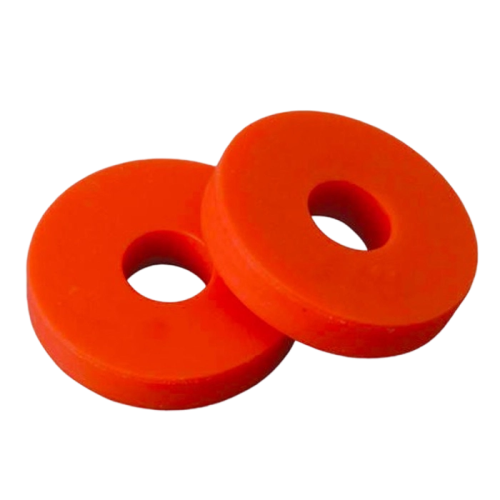
| Washer | Flat disc, often with a center hole | Load spreading, vibration damping, light sealing |
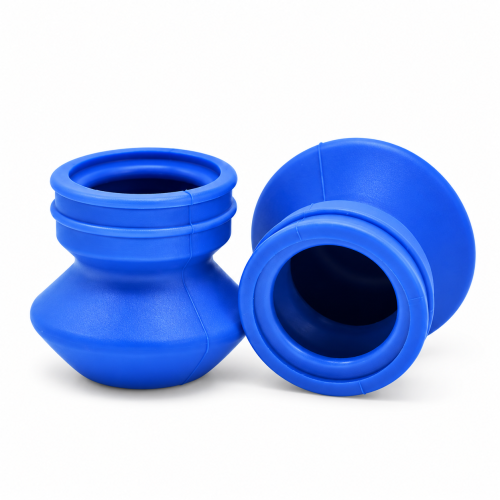
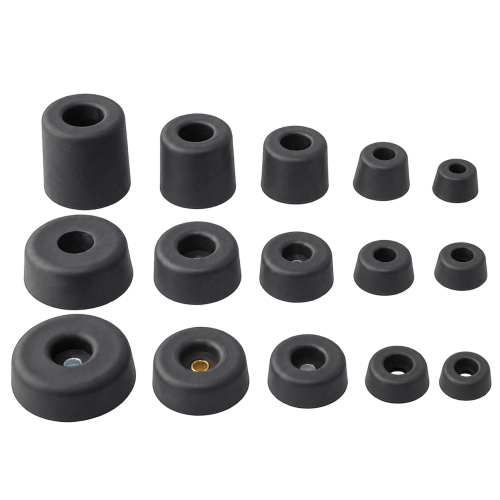
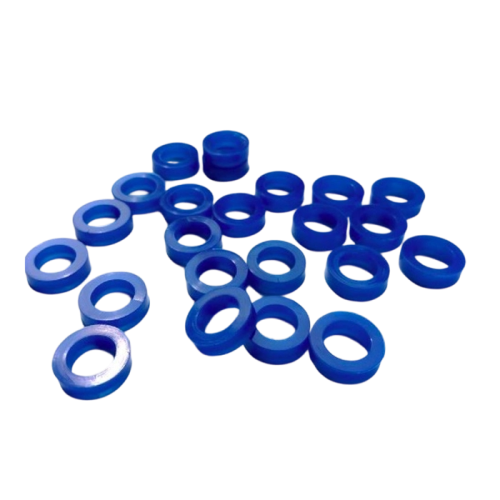
| Grommet | Ring with a channel or bore | Cable/wire pass-through, panel edge protection |
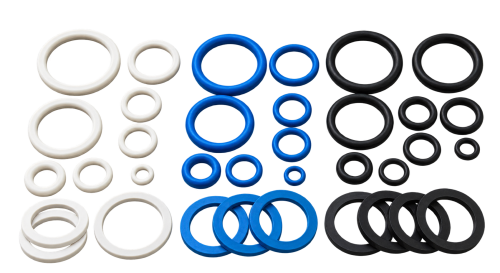
Choose an O-ring when the part seals through round cross-section squeeze in a machined groove. FKM/FFKM and silicone are available in AS568 and metric sizes.
For flat discs or spacers used across a bolted joint, see Custom Rubber Washers. For brackets, covers and other non-standard cross-sections, see Custom Molded Rubber Parts.
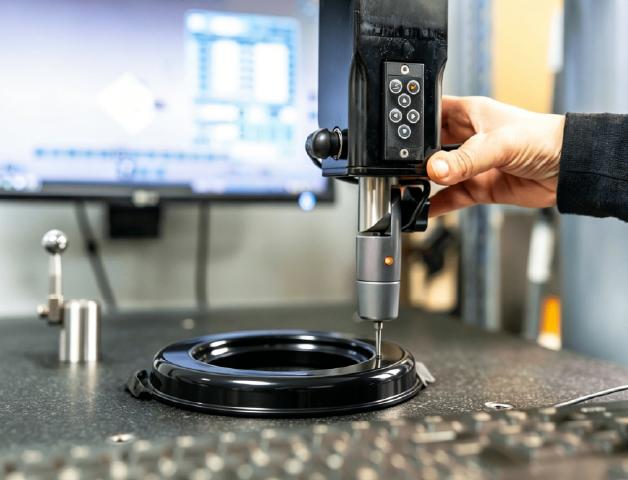
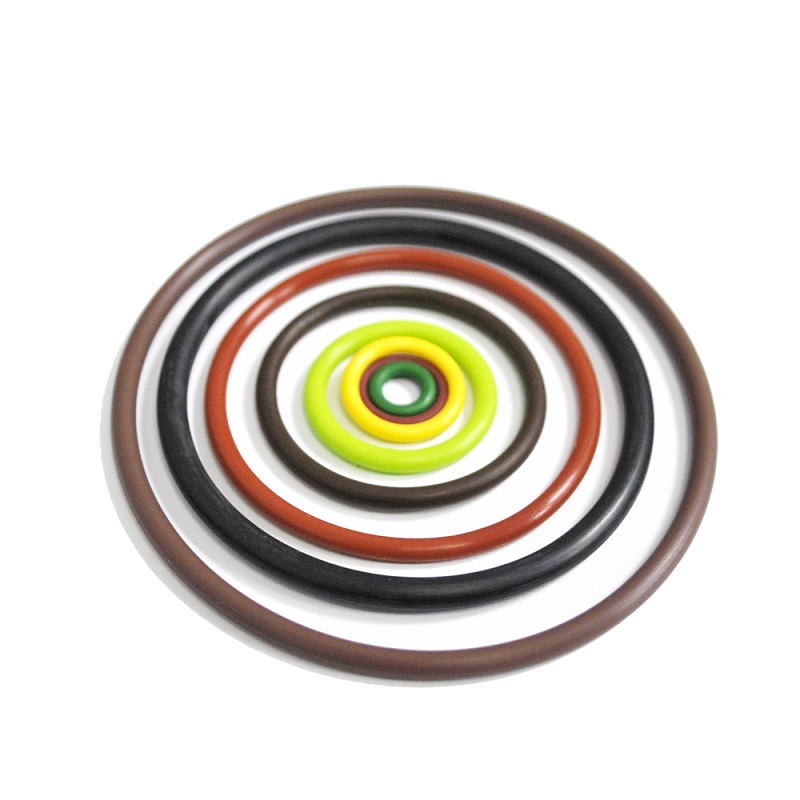
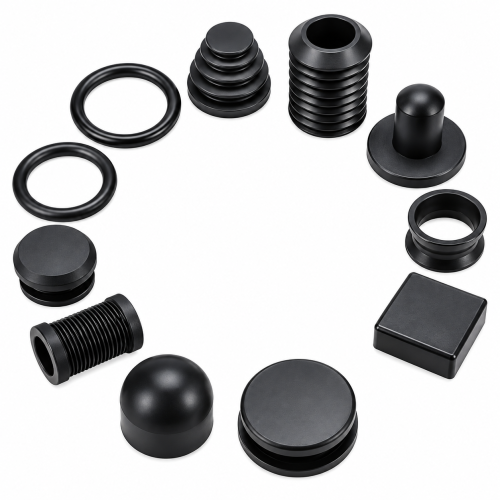
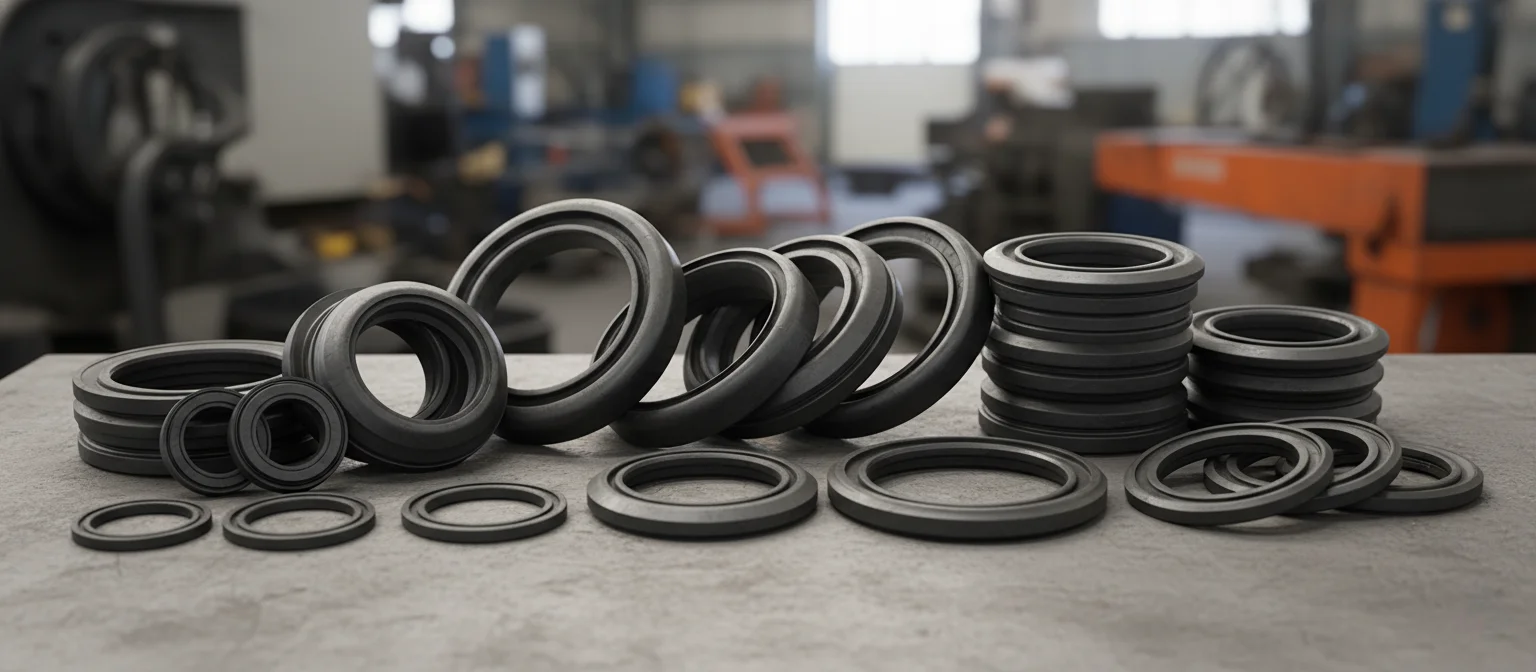
Production covers the shapes that fall specifically under "seal" rather than O-ring or gasket:
ISO 13485:2016 certification and FDA/NSF-compliant compounds support medical device housings and fluid-contact seals, molded as Medical Silicone Molded Seals for OEM Assemblies.

The production process is selected according to the seal geometry and performance requirements:
For closed geometries, grooves, logos and detailed molded features.
For profiles with a constant cross-section, such as window, door and cabinet seals. Spliced joints should be considered during design.
For flat seals with uniform thickness cut from sheet stock.
For seals that require a rigid carrier or structural support.

OEM rubber seals need a compound matched to the fluid, temperature and regulatory environment before tooling starts, not after a failure in the field:
The NBR, FKM, and EPDM O-ring selection guide breaks down fluid compatibility and temperature limits for the three most-requested compounds.

Two tolerance grades apply depending on how critical the dimension is — a standard tolerance grade for general fits, and a tighter precision tolerance grade for critical dimensions held with matched-metal tooling:
| Dimension Range | Standard | Precision |
|---|---|---|
| 0–10 mm | ±0.10 mm | ±0.02 mm |
| 10–25 mm | ±0.15 mm | ±0.05 mm |
| 25–50 mm | ±0.20 mm | ±0.08 mm |
| 50–100 mm | ±0.25 mm | ±0.10 mm |
Compound formulations extend service across roughly –60°C to +325°C.
Chemical compatibility is checked against a reference library of 500+ fluids, gases, and chemicals during material qualification. Compatibility with your specific media is confirmed at quoting rather than assumed from the general library.




ON-TIME DELIVERY

Send a drawing, sketch or failed sample. STEP, IGES and most major CAD formats are accepted. The engineering team can also support 3D CAD modeling and FEA simulation.
The quote is based on the actual part. Engineering reviews:
Seal geometry and critical dimensions
Compound, Shore A hardness and media compatibility
Precision tolerance and production method
Cavity count, tooling design and expected volume
Functional prototypes can be available in as little as 3–5 business days. MOQ, tooling cost and production lead time are quoted per part because a single-cavity prototype tool and a multi-cavity production tool require different investment and volumes.
Rubber bushings, grommets, diaphragms and bonded metal parts can be quoted alongside a seal through custom rubber parts manufacturer capabilities.
Start Project Discussion with a drawing, sketch or failed sample.

Answers to common questions about custom O-ring quotation, material selection, sealing conditions, compliance options and bulk order inspection.
Our engineering team reviews your specs and responds within 24 hours with material recommendations and competitive pricing.