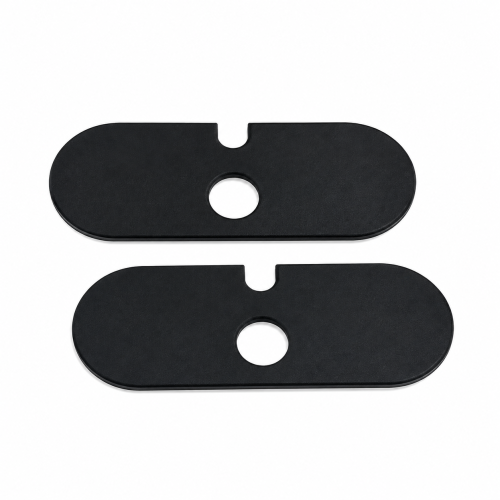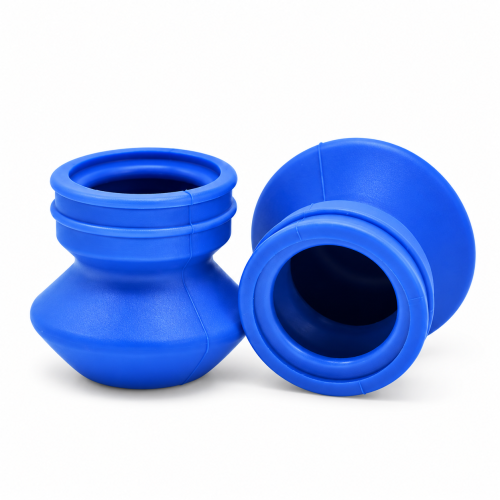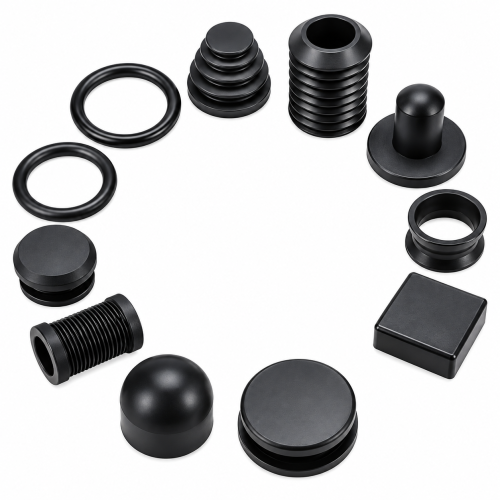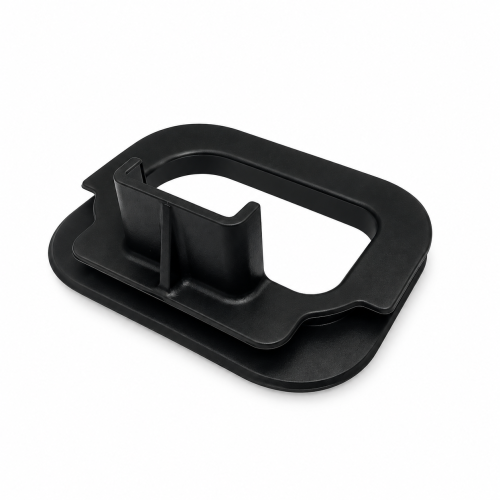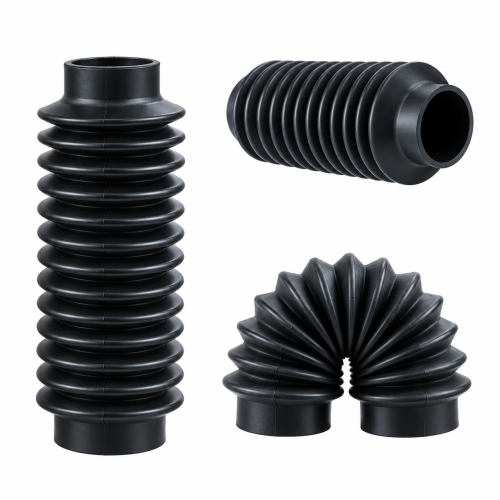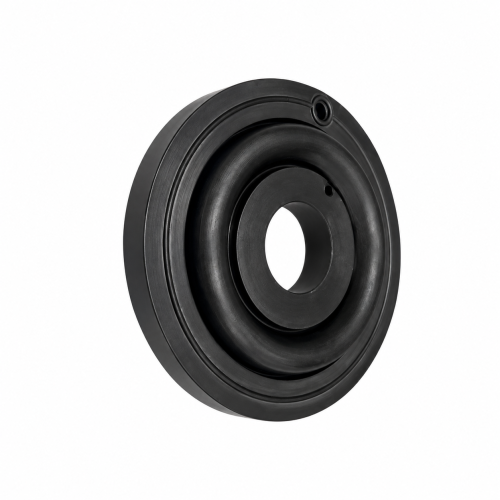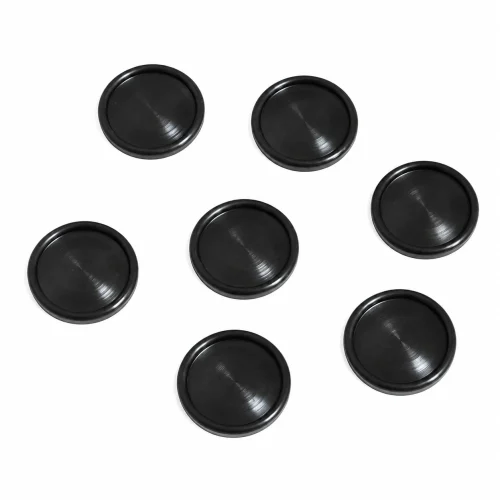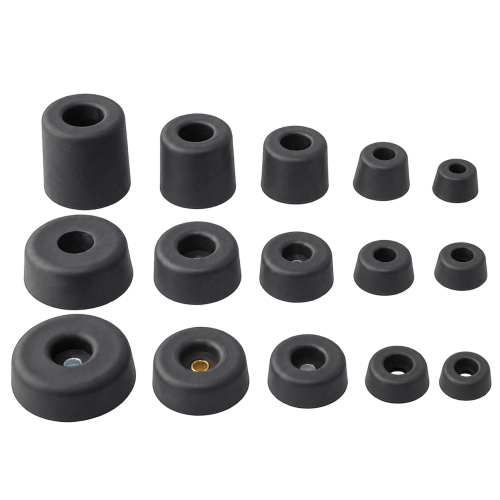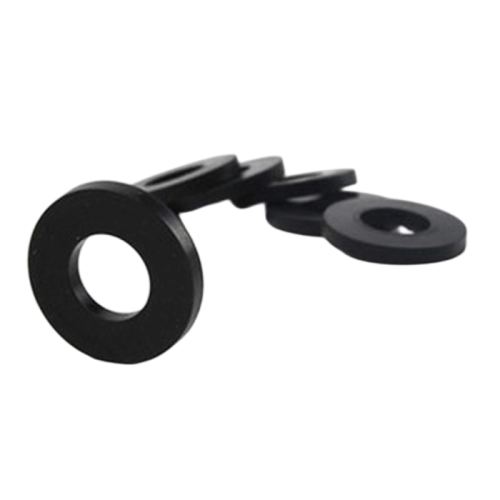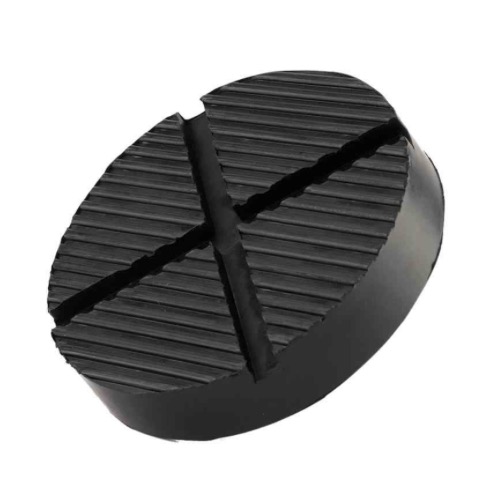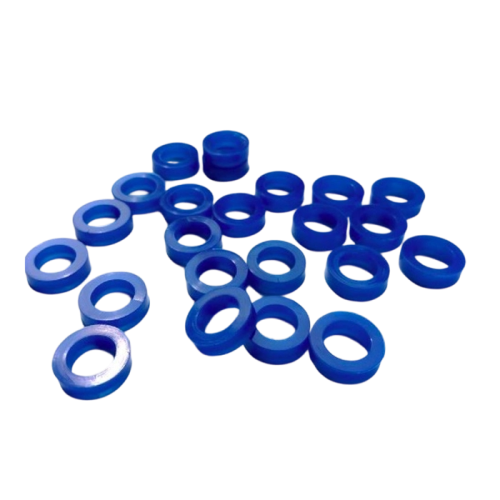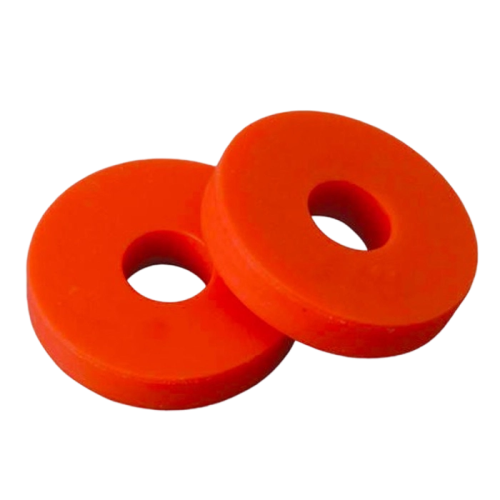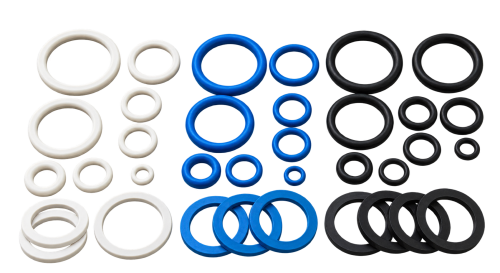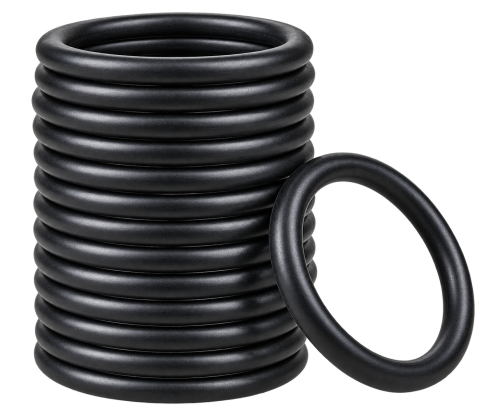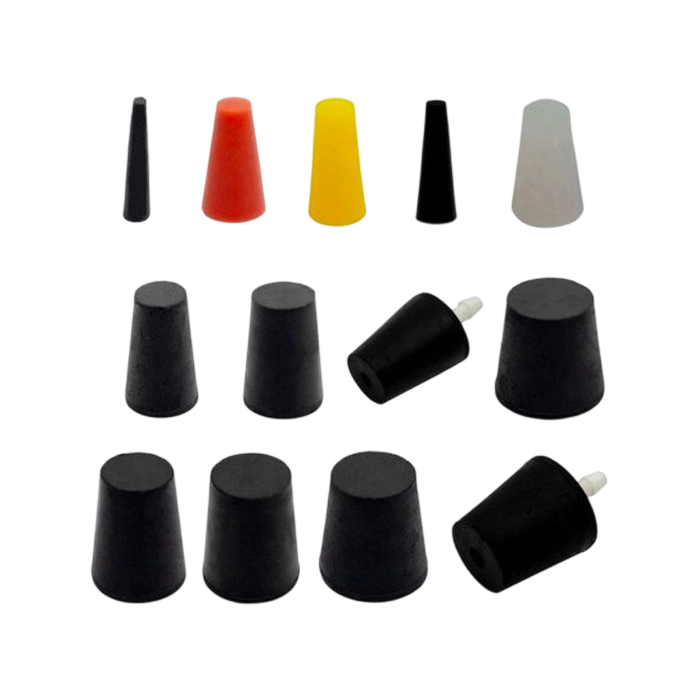
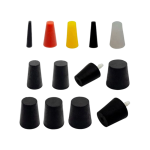
Custom rubber buffers and bump stops are used where moving or assembled parts need a controlled stopping point, impact cushioning, or vibration isolation. Parts are developed around the required load, compression travel, contact area, mounting method, and operating environment. Send us your drawing, sample, or installation details for a material and geometry review.

Rubber buffers are used where a moving part needs a softer stop, a controlled end position, or less vibration at a contact point. Buffer size, profile, hardness, and mounting are selected around the actual load and available compression travel.

Compresses at the contact point to reduce hard impact between moving or assembled parts.

Provides a defined stop where a door, cover, bracket, or mechanism reaches the end of its movement.

Hardness, profile, and contact area are adjusted to achieve the required compression under load.

Overall height and working compression are matched to the clearance available in the assembly.

Plain, push-fit, snap-in, adhesive, or mechanically retained designs can be made to suit the installation.

Compound choice can account for oil, water, ozone, outdoor exposure, temperature, and repeated contact.

For a custom bump stop, the working load and available compression travel matter as much as the outside dimensions. These inputs help set the profile, hardness, contact area, and mounting details before tooling.
| Rubber Buffer Design Inputs | |
|---|---|
| Product Type | Rubber Buffers / Bump Stops |
| Parent Category | Custom Rubber Parts |
| Load Condition | Static load, repeated contact, or impact load |
| Compression Travel | Defined by assembly clearance and required stop position |
| Contact Area | Matched to the mating surface and allowable compression |
| Geometry | Cylindrical, tapered, stepped, domed, rectangular, or custom |
| Mounting | Plain, push-fit, snap-in, adhesive, bolt-through, or simple mechanical retention |
| Hardness | 30–90 Shore A / IRHD |
| Operating Frequency | Occasional, repeated, or continuous contact |
| Environment | Oil, water, ozone, outdoor exposure, temperature, or cleaning agents |
| Compound Standard | ASTM D2000 options available |
| Inspection | Dimensions, hardness, appearance, and project-specific checks |
| Sample Lead Time | About 8 Days |
| Mass Production Lead Time | 12–18 Days |

For new buffer designs, sample review can cover dimensions, hardness, fit, and compression at the intended contact point before batch production.
Typical Sample Lead Time
Production Inspection Available
These examples show where a rubber buffer sits in the assembly and what it controls, rather than only naming the industry.
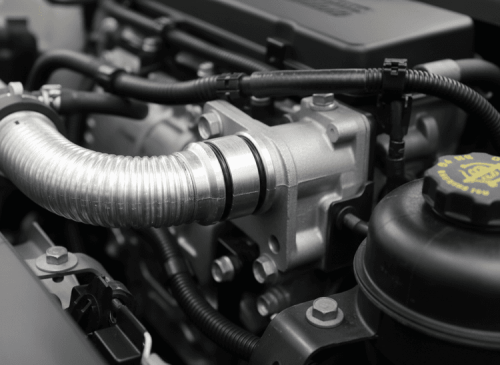
Mounted at the end of a slide, guard, bracket, or moving mechanism to soften the stop and limit travel.
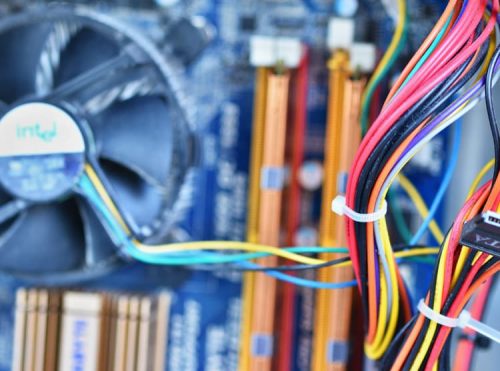
Placed at closing points to reduce slam impact and keep panels or covers from striking a hard surface.
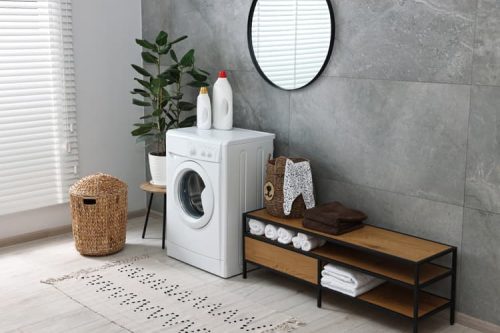
Used where brackets, panels, covers, or moving parts need a cushioned stop or vibration separation.
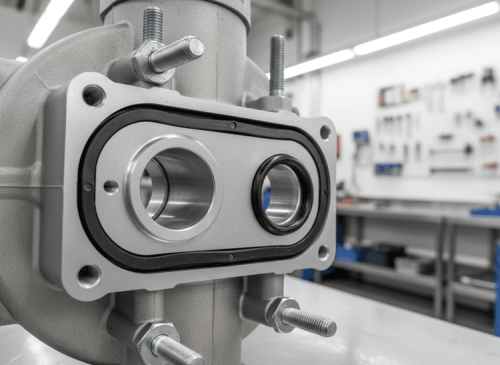
Installed between equipment and a support surface where light vibration or repeated contact needs to be isolated.
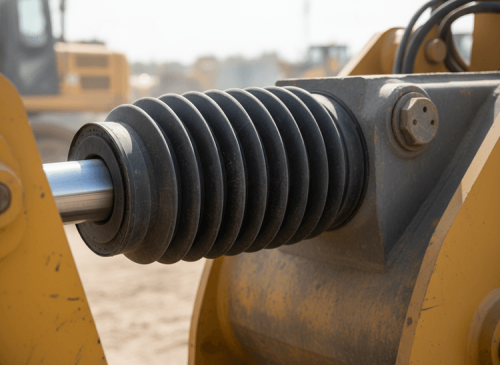
Keeps painted, plated, plastic, or machined surfaces from making direct hard contact.

Send a drawing, sample, or installation details together with the expected load, available travel, mounting method, and service environment. We use those inputs to review the part before tooling.
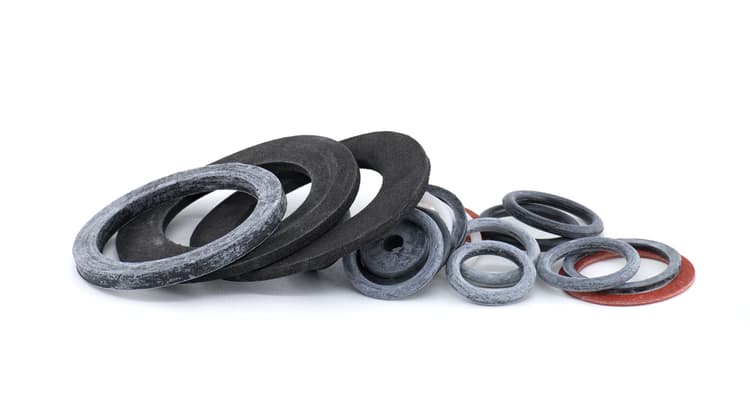
We check dimensions, contact surfaces, compression direction, installation space, and the expected static or impact load.
Material and hardness are selected around the required compression behavior and the actual service environment.
Sample parts are checked for fit, dimensions, hardness, and the agreed compression or contact requirements before production.
This page covers solid rubber buffers and parts with simple retention features. Designs vulcanized to threaded studs, plates, sleeves, or other load-bearing metal inserts should use our rubber-to-metal bonded mounts and isolators page.

Explore complementary sealing solutions from our comprehensive product catalog.