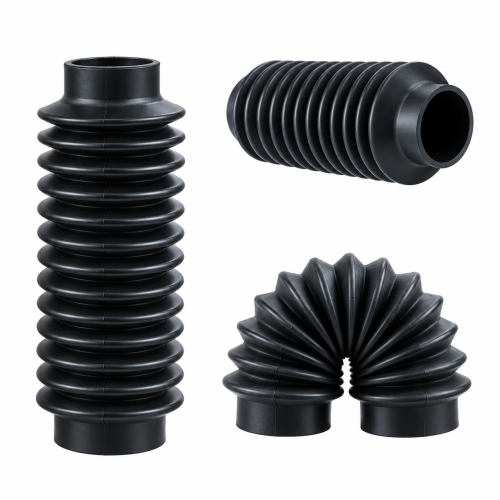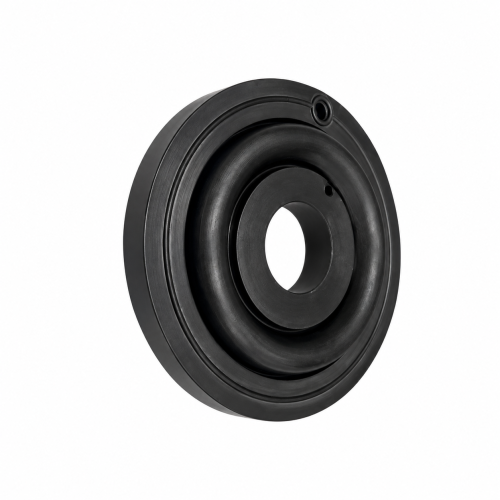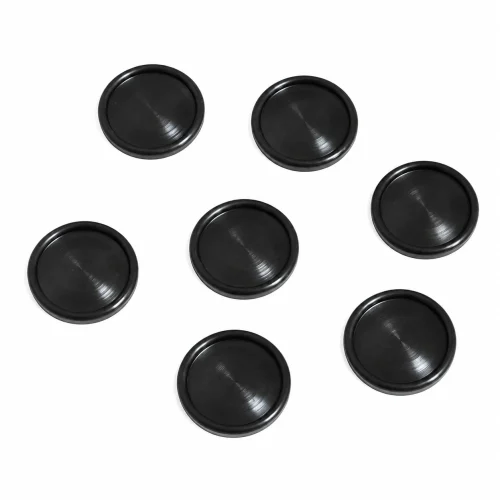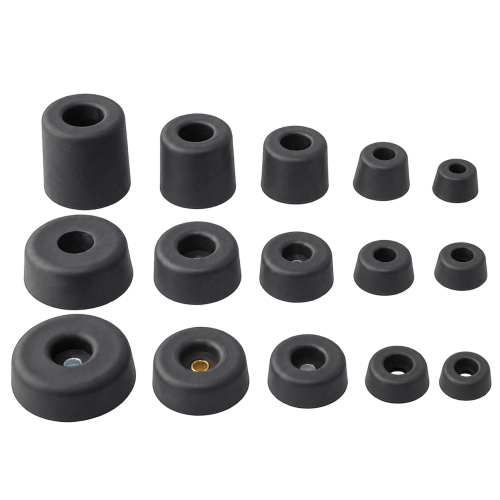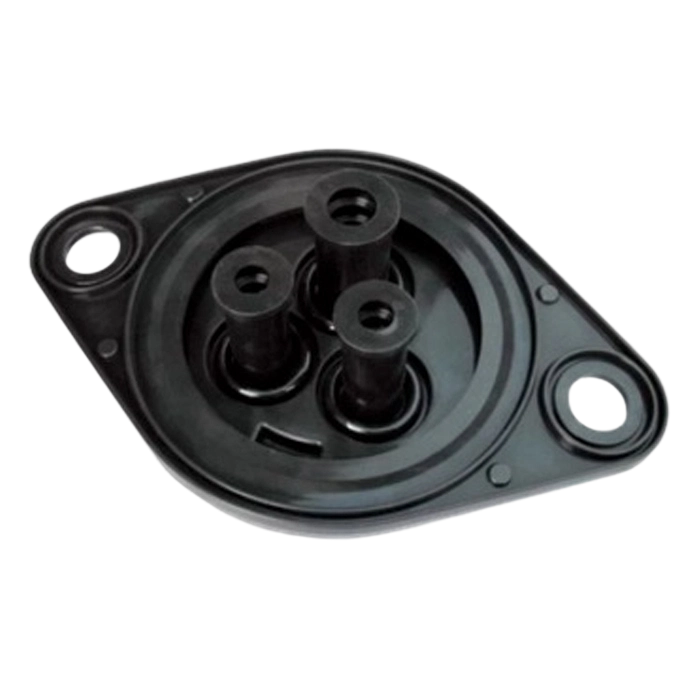
Neoprene cable seals and flexible boots protect cables from environmental exposure while providing bending support and strain relief. Custom designs can be specified by cable diameter, overall length, wall thickness, component form and connection interface.

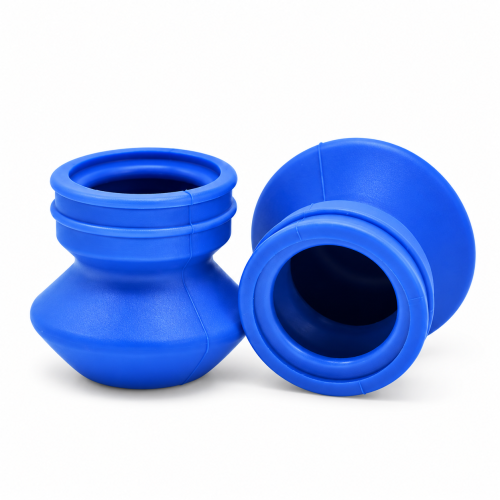
Neoprene cable boots and sleeves cover the transition between a cable and its housing, connector, or fixed outlet. A longer flexible body supports the cable as it bends, keeps abrasion away from the exit point, and can be molded around the actual cable OD and interface.

A longer boot or sleeve spreads the cable bend over more distance than a short panel grommet, reducing a sharp change in direction at the exit.

The internal bore can be matched to the cable jacket or bundle OD so the part supports the cable without excessive squeeze.

Tapers, ribs, steps, and local wall changes can be used to control how stiffness changes from the fixed interface to the flexible cable.

Wall thickness and profile are reviewed against the available bend space, required flexibility, and whether the cable moves occasionally or repeatedly.

Neoprene is a practical choice for cable exits exposed to weather, ozone, abrasion, and general outdoor service where extreme heat or fuel resistance is not the main requirement.

The fixed end can be shaped around a connector neck, housing boss, clamp, cable gland, or other mounting feature shown on the drawing or sample.

For quoting or tooling review, send the cable OD together with the required boot length, wall thickness, fixed-end interface, bend space, and movement condition. These inputs determine fit, flexibility, and strain-relief behavior.
| Product Specifications | |
|---|---|
| Product Name | Neoprene Cable Boots and Flexible Sleeves |
| Category | Cable Boots / Sleeves |
| Primary Material | Neoprene (CR) |
| Cable OD | To drawing, sample, or measured cable jacket OD |
| Overall Length | Define the flexible length from the fixed interface to cable exit |
| Wall Thickness | Set by required flexibility, durability, and available space |
| End / Interface Geometry | Connector neck, housing outlet, clamp area, gland, or custom molded interface |
| Minimum Bend Radius | Define the required cable bend or available bend space |
| Movement / Flex Condition | Static bend, occasional movement, or repeated flexing |
| Mounting Method | Push-fit, clamped, bonded, overmolded interface, or custom retention |
| Hardness | Selected to balance grip, wall stability, and flex response |
| Operating Exposure | Weather, ozone, abrasion, dust, moisture, and mild chemical contact |
| Sample Lead Time | About 8 days, subject to tooling and part complexity |
| Quality / Tooling | IATF 16949 support; in-house mold development and dimensional inspection |

For a new boot or sleeve, tooling can be developed from a drawing or physical sample. Sample review can include fit on the cable and interface, bend direction, wall response, and recovery after flexing before batch production.
Trial MOQ Range
Sample Lead Time
These examples involve a longer flexible section around the cable exit. Short panel-mounted pass-throughs are better handled by a grommet rather than a molded boot or sleeve.
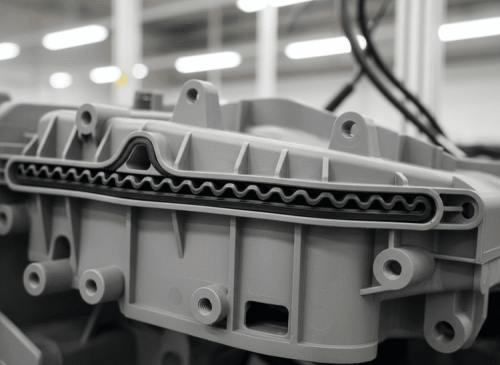
A molded boot can support a wire harness where it leaves a connector or fixed vehicle component and needs a controlled bend instead of a sharp exit.
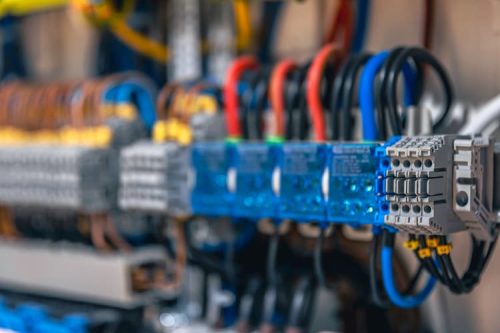
Longer sleeves can protect cables leaving control boxes or equipment housings when the cable needs room to bend outside the enclosure.

Flexible cord boots can be molded around appliance cable exits to reduce repeated bending at the housing and protect the cable jacket near the outlet.

For fixed process equipment, a shaped sleeve can protect a cable lead where vibration, washdown splash, or movement occurs around the equipment connection.

Neoprene boots are useful around exposed cable exits on mobile or agricultural equipment where weather, dust, vibration, and repeated movement are part of normal service.

Send the cable OD, boot length, wall section, fixed-end interface, and movement condition for review. For short panel-mounted entries, see our rubber cable grommets. For higher-temperature cable entries, see our custom silicone cable grommets.
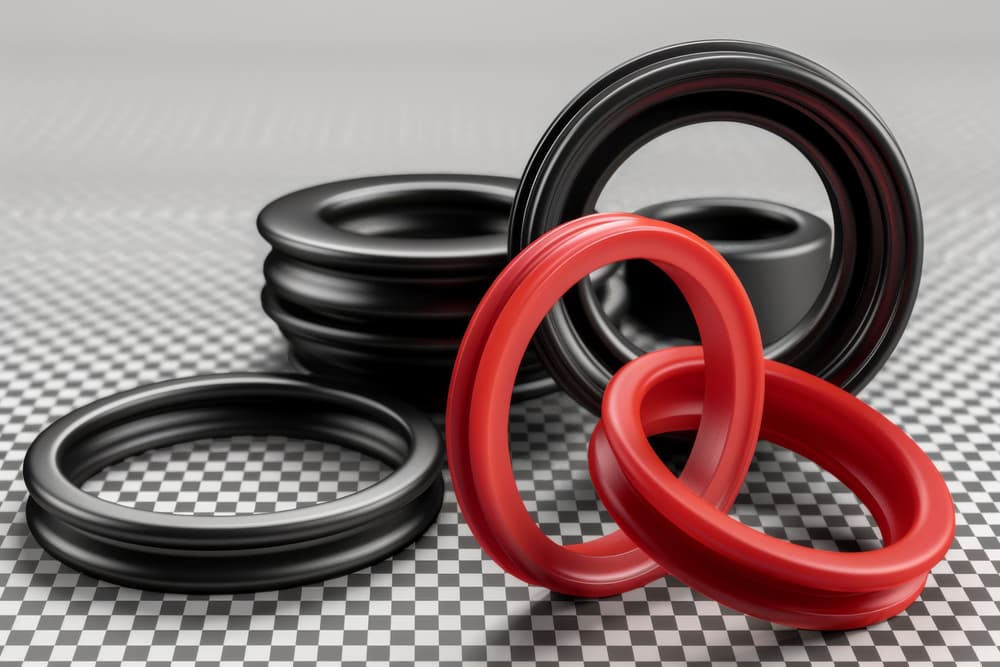
We review the cable OD, overall boot length, wall section, interface diameter or shape, retention features, and the available space around the cable exit.
Tapers, ribs, steps, and local wall changes can be adjusted to control flexibility without making the fixed end too soft for assembly.
In-house mold development supports non-standard boot geometry. Samples can be checked on the actual cable or mating interface before production approval.
Inspection can cover cable bore, overall length, wall thickness, interface dimensions, visual condition, and other drawing callouts agreed for the project.

Explore complementary sealing solutions from our comprehensive product catalog.